


How to Test and Reset GFCI Outlets | Simple Steps for Every Home
Jeff Hendricks • July 25, 2025

GFCI (Ground Fault Circuit Interrupter) outlets are essential for modern home safety, especially in areas where water and electricity may come into contact, such as bathrooms, kitchens, garages, basements, and outdoor spaces. These outlets are designed to shut off electrical power instantly when a ground fault is detected—protecting people from electric shock and preventing electrical fires.

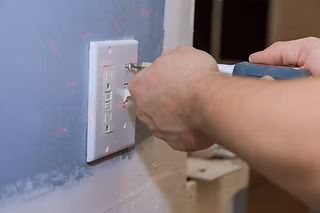
Hand tightening a white electrical wall outlet plate with a blue screwdriver

The Critical Role of GFCI Outlets in Home Safety

GFCI outlets serve as a critical line of defense against electrical hazards that can arise unexpectedly in the presence of moisture. Unlike standard outlets, they constantly monitor the electrical current flowing through a circuit. If the current takes an unintended path—say, through water or even a person—they detect this imbalance in milliseconds and promptly cut off the power. This swift action is crucial because even a tiny delay can lead to severe injury or fire.

Such outlets are most often found in places prone to moisture accumulation, which dramatically increases the risk of electric shock. Kitchens with wet sinks, bathrooms with running water, damp basements, garages exposed to rain, and outdoor outlets exposed to the elements all require GFCI protection. Without them, the risk of fatal accidents rises significantly.

Why Regular Testing of GFCI Outlets Cannot Be Overlooked

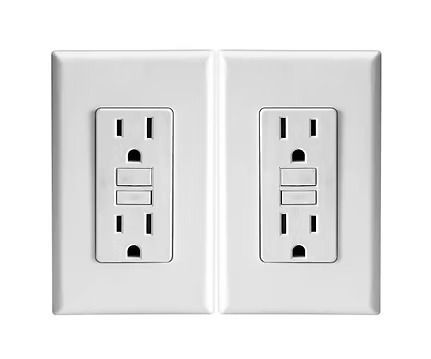
Despite their advanced design, GFCI outlets are mechanical devices that can wear out or malfunction over time. This makes regular testing non-negotiable. Every GFCI outlet comes equipped with two distinct buttons: a “Test” button, typically black, and a “Reset” button, often red. These are your tools for quick and easy verification that the outlet is functioning as it should.

Step-by-Step Instructions to Test Your GFCI Outlet

  1. Start with a Device Plugged In: Select a simple electrical device—a small lamp, a nightlight, or a phone charger will do. Plug it into the GFCI outlet and confirm the device is powered on. This initial check ensures the outlet is live.
  2. Press the Black “Test” Button: Located right on the outlet’s face, this button simulates a ground fault. When pressed, it should immediately cut power to the outlet, causing your device to switch off. This instantaneous shutdown confirms the GFCI’s protective function is intact.
  3. Evaluate the Response: If your device remains lit or powered, this is a serious warning. The GFCI outlet is not providing protection and needs professional attention or replacement without delay.
  4. Restore Power by Pressing “Reset”: Once the test confirms proper function, press the red “Reset” button. Power should return instantly, and your device should turn back on, indicating the outlet is ready for normal use.


This routine is straightforward, but its importance cannot be overstated. It’s a quick test that can save lives and prevent fires.

When and How Often Should You Test Your GFCI Outlets?

To maintain maximum safety, you should conduct this test at least once every month. For locations with frequent exposure to water—like kitchens and bathrooms—consider biweekly testing to be extra cautious. Additionally, after any power interruptions such as outages or storms, testing is strongly advised since surges or electrical faults may have compromised outlet function.


Testing is also crucial in older homes or rental properties where the wiring and outlets may have aged or deteriorated.

Troubleshooting: What to Do If the GFCI Outlet Fails to Reset

At times, pressing the reset button might not restore power. This signals a deeper issue. Follow these steps before calling for professional help:

  • Check Your Circuit Breaker or Fuse Box: A tripped breaker or blown fuse could be the culprit preventing power restoration.
  • Inspect for Moisture: GFCI outlets won’t reset if there’s moisture inside them. Ensure the outlet is completely dry before attempting again.
  • Cycle the Circuit Breaker: Turn off the breaker connected to the outlet, wait a few seconds, and then turn it back on. Sometimes this “resets” the system.


If none of these steps work, do not attempt further fixes yourself. Contact a licensed electrician immediately. The outlet might be damaged, or there could be underlying wiring faults.

Two white wall outlets with built-in USB charging ports on a white plate

Essential Safety Tips During Testing

Always ensure your hands are dry, and you’re standing on a dry surface before conducting any electrical tests.


For a more comprehensive check, invest in a GFCI outlet tester, which can detect wiring errors or other faults beyond the basic test/reset function.


Consider replacing GFCI outlets every 10 years, or sooner if they fail any test, to maintain optimal safety.

Make GFCI Testing an Indispensable Part of Your Safety Routine

GFCI outlets quietly protect your home from electrical dangers, ready to cut power the instant a hazard arises. Yet their protection depends entirely on their operational integrity. Mastering the simple test and reset button procedure is among the easiest—and most effective—ways to keep your household safe.


Don’t overlook this simple habit. It only takes a minute to perform but could prevent catastrophic injury or property damage. If you ever find your GFCI outlet failing a test or refusing to reset, don’t wait—reach out to a professional electrician immediately. Your family’s safety depends on it.

Man installing a ceiling fan with a screwdriver in a living room
By Jeff Hendricks August 25, 2026
Simple ceiling fan maintenance tips to help you remove dust, check loose parts, balance the blades, and keep your fan working properly.

Man installing a white ceiling fan with wood blades on a ceiling indoors.
By Jeff Hendricks August 19, 2026
Learn to save energy at home with ceiling fan tips. Adjust settings for comfort & efficiency. Contact us for expert real estate advice!

Caulking a white window frame with a sealant gun near a bright window
By Jeff Hendricks August 11, 2026
Learn how to block drafts in old homes with simple, affordable tips. Seal air leaks, improve comfort, lower energy bills, and keep your home warm in winter and cool in summer.
Hand pressing a blue button on a wall-mounted video intercom panel
By Jeff Hendricks August 4, 2026
Discover practical tips for reducing heating and cooling costs. Learn simple ways to improve energy efficiency, lower utility bills, and keep your home comfortable all year long.
Hand pressing buttons on a white wall thermostat with a green digital display
By Jeff Hendricks July 26, 2026
Discover how to install a programmable thermostat safely and correctly. Follow this easy guide to improve energy efficiency and reduce heating and cooling costs.

Insulated attic framing with exposed wooden studs and spray foam along the roof and walls
By Jeff Hendricks July 20, 2026
Discover the benefits of adding attic insulation. Save energy, lower utility bills, improve home comfort, and increase your home's value year-round.
Person kneeling by a window, applying red caulk to the sill inside a room.
By Jeff Hendricks July 15, 2026
How to seal entry points to prevent pests by finding and closing cracks, gaps, and holes around your home. Learn simple, effective tips to keep insects and rodents outside and protect your home year-round.
Person in red pants and white shirt applying sealant along a floor baseboard with a caulking gun
By Jeff Hendricks July 12, 2026
Learn how to weatherstrip doors and windows to stop drafts, improve energy efficiency, lower utility bills, and keep your home more comfortable all year long.

Spider on a web against a dark background
By Jeff Hendricks July 1, 2026
How to control spiders in basements and garages with simple and effective tips. Learn how cleaning, sealing entry points, and reducing clutter can help keep your basement and garage spider-free.
Mosquitoes resting on a white window screen, seen in close-up.
By Jeff Hendricks June 24, 2026
Dealing with Mosquitoes in Your Yard starts with removing standing water and maintaining your landscape. Learn simple, effective ways to reduce mosquitoes and enjoy a safer, more comfortable outdoor space.