



Save Energy at Home | Ceiling Fan Benefits and Seasonal Settings
Jeff Hendricks • August 19, 2026

Saving energy at home does not always require expensive upgrades. Sometimes, small changes can make a big difference in comfort and energy use. One simple tool that many homeowners already have is a ceiling fan. When used correctly, a ceiling fan can help your home feel cooler in summer and warmer in winter while reducing the workload on your heating and cooling system.

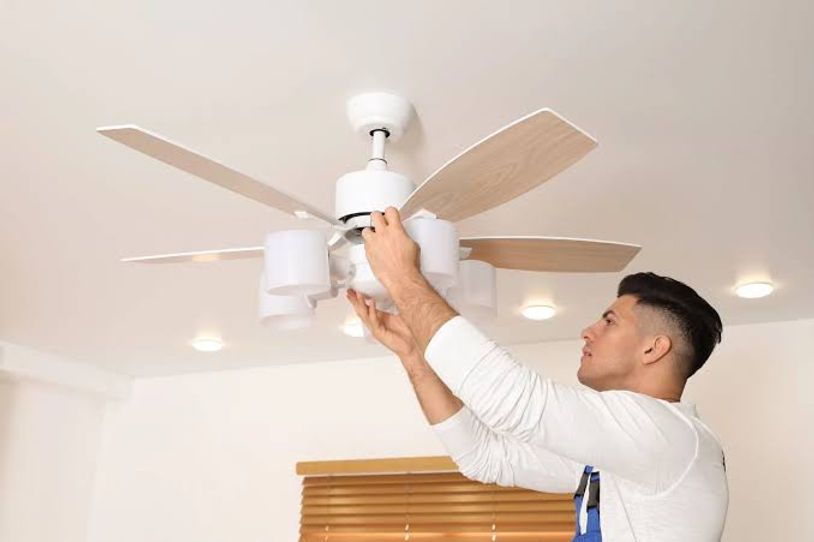
Two people adjusting a ceiling fan in a bright room, looking upward

During the summer, your ceiling fan should rotate counterclockwise. This direction pushes air downward and creates a cool breeze that helps your skin feel cooler. The fan does not actually lower the room temperature, but it improves air circulation and makes the space feel more comfortable. Because of this, you may be able to raise your thermostat a few degrees without feeling as warm, which can help reduce cooling costs.


In the winter, change the fan direction to clockwise at a low speed. Warm air naturally rises and collects near the ceiling. A clockwise fan gently pulls that warm air upward and pushes it around the room without creating a strong breeze. This helps spread heat more evenly, making your living space feel warmer and more comfortable during colder months.

Changing the fan direction is usually very easy. Most ceiling fans have a small switch on the motor housing that controls the rotation direction. Always turn the fan off before flipping the switch for safety. After changing the setting, turn the fan back on and select the appropriate speed for the season.


Ceiling fans are also useful in bedrooms, living rooms, home offices, and covered outdoor spaces. They help improve airflow and reduce stuffy rooms, especially during warmer weather. Good air movement can make everyday activities like sleeping, working, cooking, and relaxing much more comfortable.


It is important to remember that ceiling fans cool people, not empty rooms. If no one is using the room, turn the fan off. Leaving it running in an empty space only uses electricity without providing any real benefit. This simple habit can help reduce unnecessary energy use over time.

Regular maintenance also keeps your ceiling fan working efficiently. Dust the blades every few weeks because built-up dust can affect performance and spread allergens around the room. Check for loose screws or wobbling blades, and make sure the fan is balanced. A well-maintained fan runs more smoothly, quietly, and safely.


If you are looking for practical ways to save energy at home, using your ceiling fan correctly is a great place to start. Adjust the direction with the seasons, use the right speed, and remember to turn it off when the room is empty. These small habits can improve comfort throughout the year while helping you create a more energy-conscious home.


Thanks for reading! I'm Jeff Hendricks, your trusted Realtor.

Man replacing a white ceiling fan light bulb with the fan blades extended
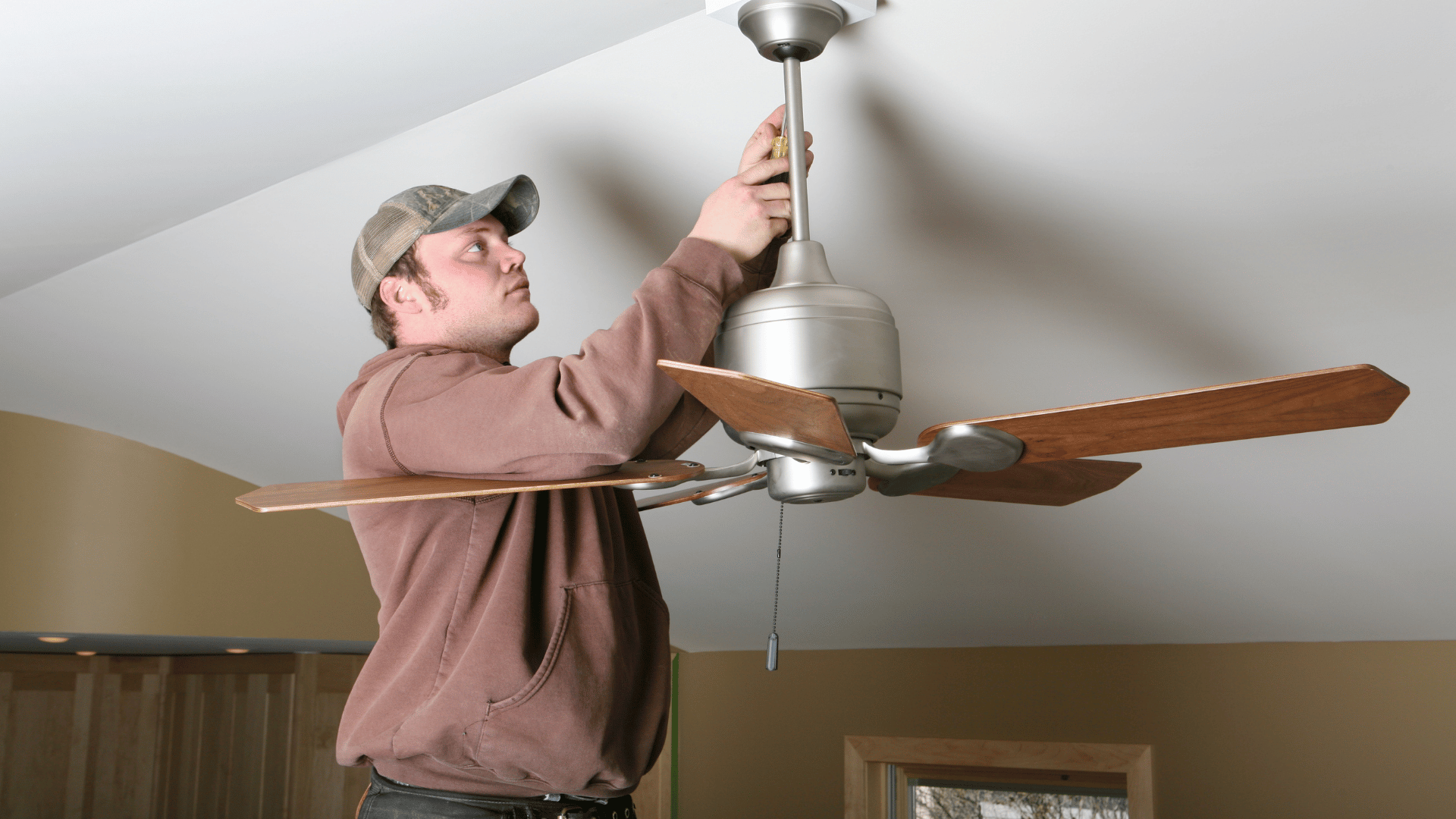
Man installing a ceiling fan with a screwdriver in a living room
By Jeff Hendricks August 25, 2026
Simple ceiling fan maintenance tips to help you remove dust, check loose parts, balance the blades, and keep your fan working properly.
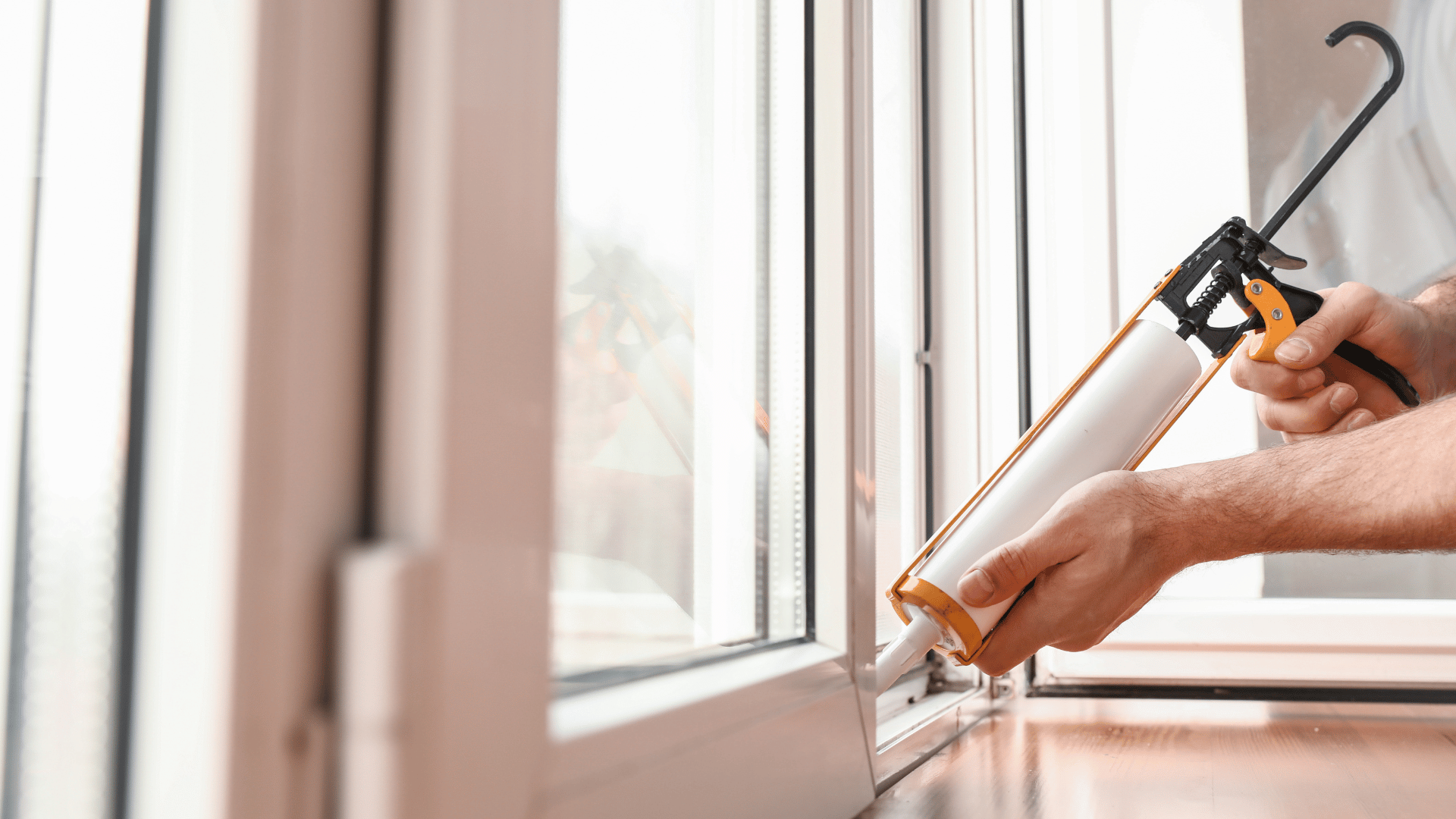
Caulking a white window frame with a sealant gun near a bright window
By Jeff Hendricks August 11, 2026
Learn how to block drafts in old homes with simple, affordable tips. Seal air leaks, improve comfort, lower energy bills, and keep your home warm in winter and cool in summer.
Hand pressing a blue button on a wall-mounted video intercom panel
By Jeff Hendricks August 4, 2026
Discover practical tips for reducing heating and cooling costs. Learn simple ways to improve energy efficiency, lower utility bills, and keep your home comfortable all year long.
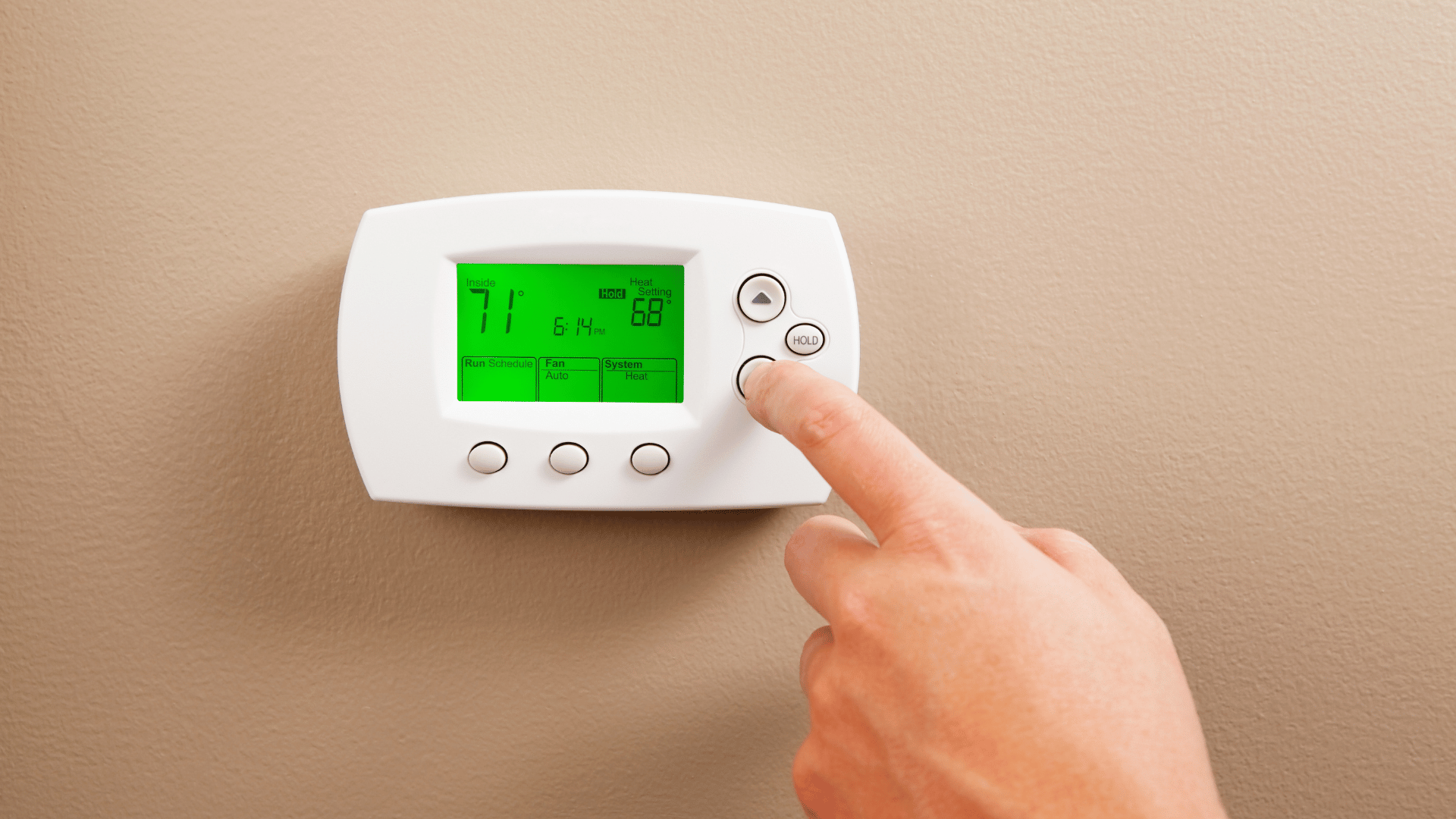
Hand pressing buttons on a white wall thermostat with a green digital display
By Jeff Hendricks July 26, 2026
Discover how to install a programmable thermostat safely and correctly. Follow this easy guide to improve energy efficiency and reduce heating and cooling costs.
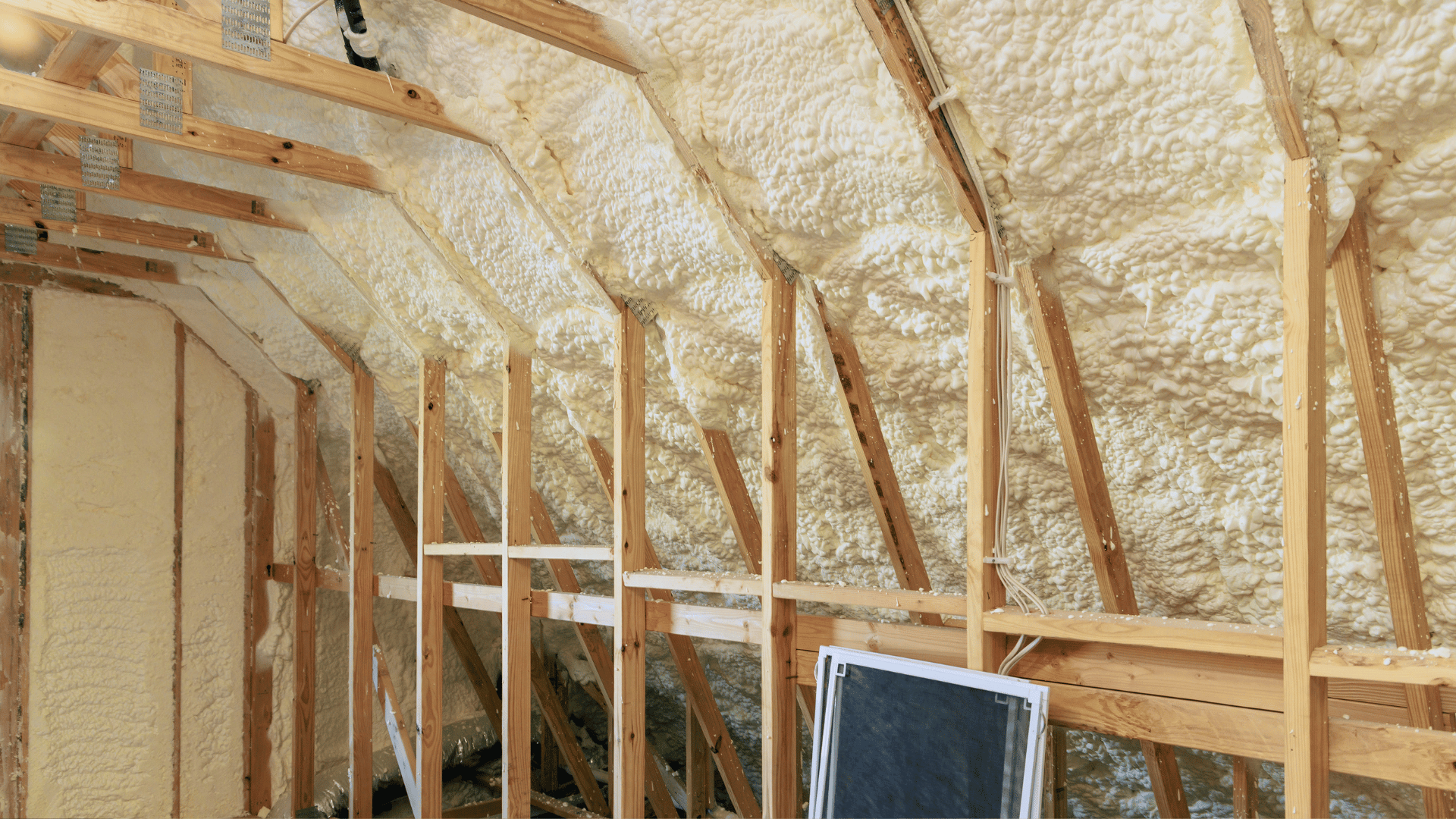
Insulated attic framing with exposed wooden studs and spray foam along the roof and walls
By Jeff Hendricks July 20, 2026
Discover the benefits of adding attic insulation. Save energy, lower utility bills, improve home comfort, and increase your home's value year-round.
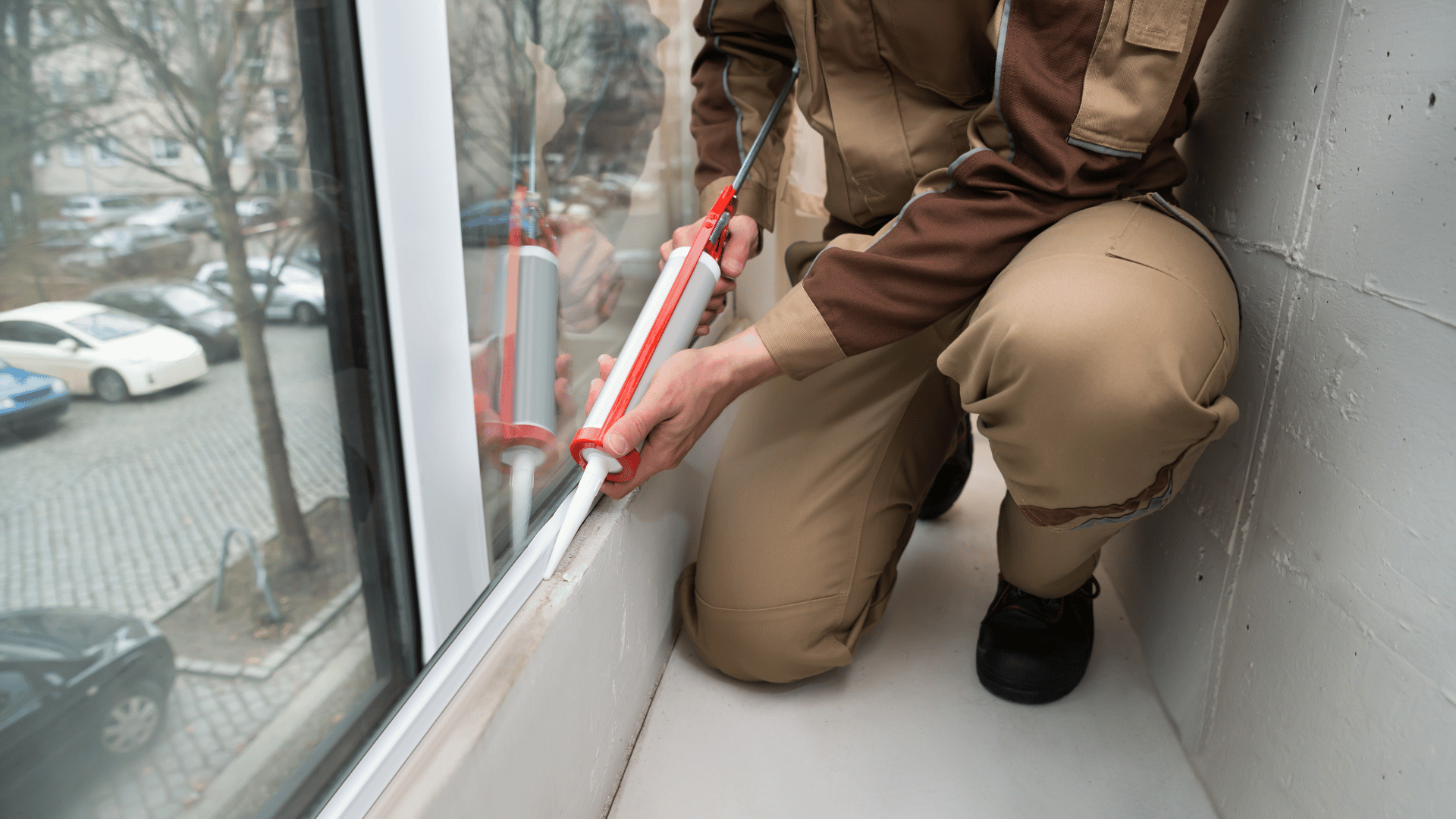
Person kneeling by a window, applying red caulk to the sill inside a room.
By Jeff Hendricks July 15, 2026
How to seal entry points to prevent pests by finding and closing cracks, gaps, and holes around your home. Learn simple, effective tips to keep insects and rodents outside and protect your home year-round.
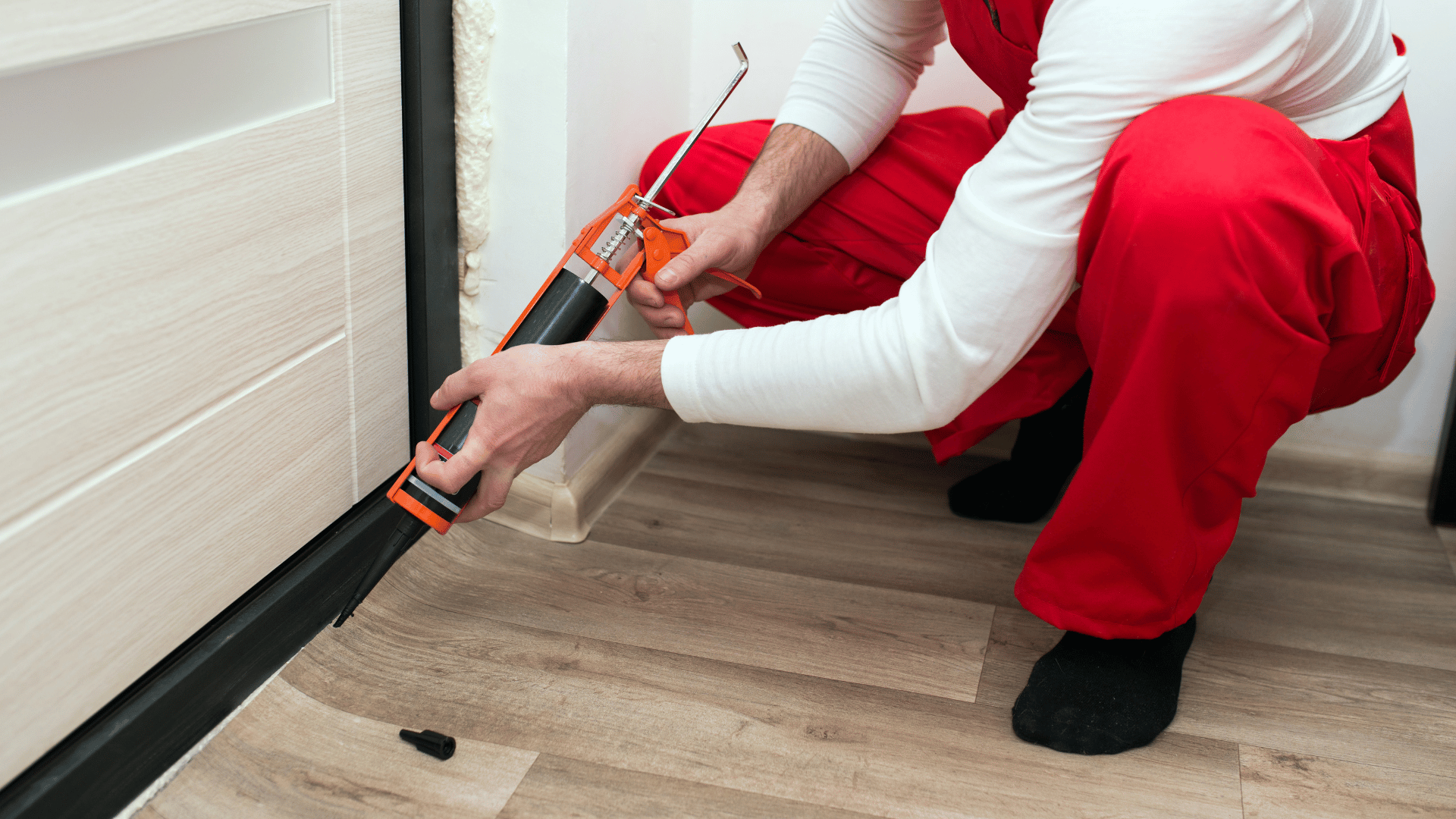
Person in red pants and white shirt applying sealant along a floor baseboard with a caulking gun
By Jeff Hendricks July 12, 2026
Learn how to weatherstrip doors and windows to stop drafts, improve energy efficiency, lower utility bills, and keep your home more comfortable all year long.
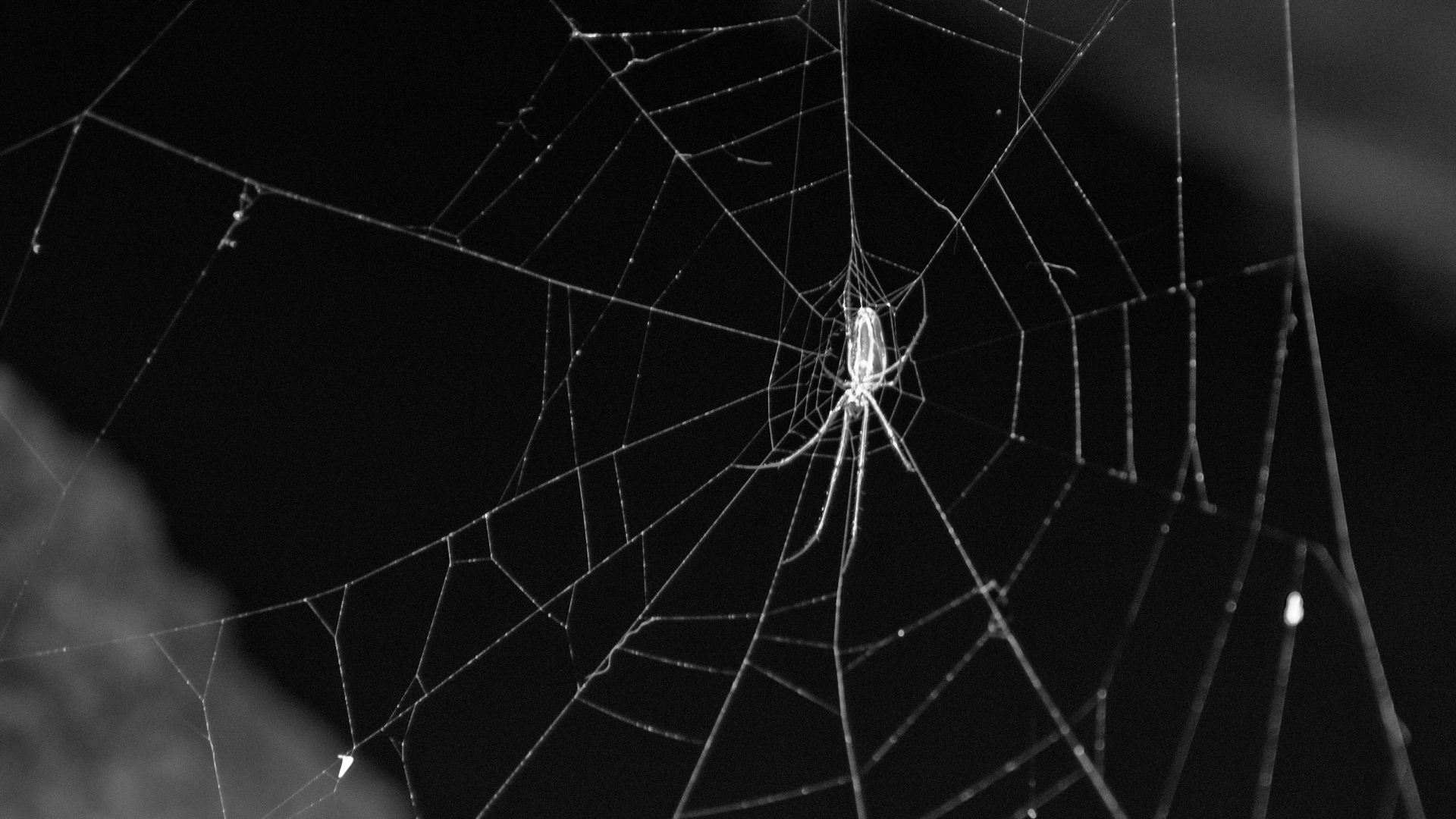
Spider on a web against a dark background
By Jeff Hendricks July 1, 2026
How to control spiders in basements and garages with simple and effective tips. Learn how cleaning, sealing entry points, and reducing clutter can help keep your basement and garage spider-free.
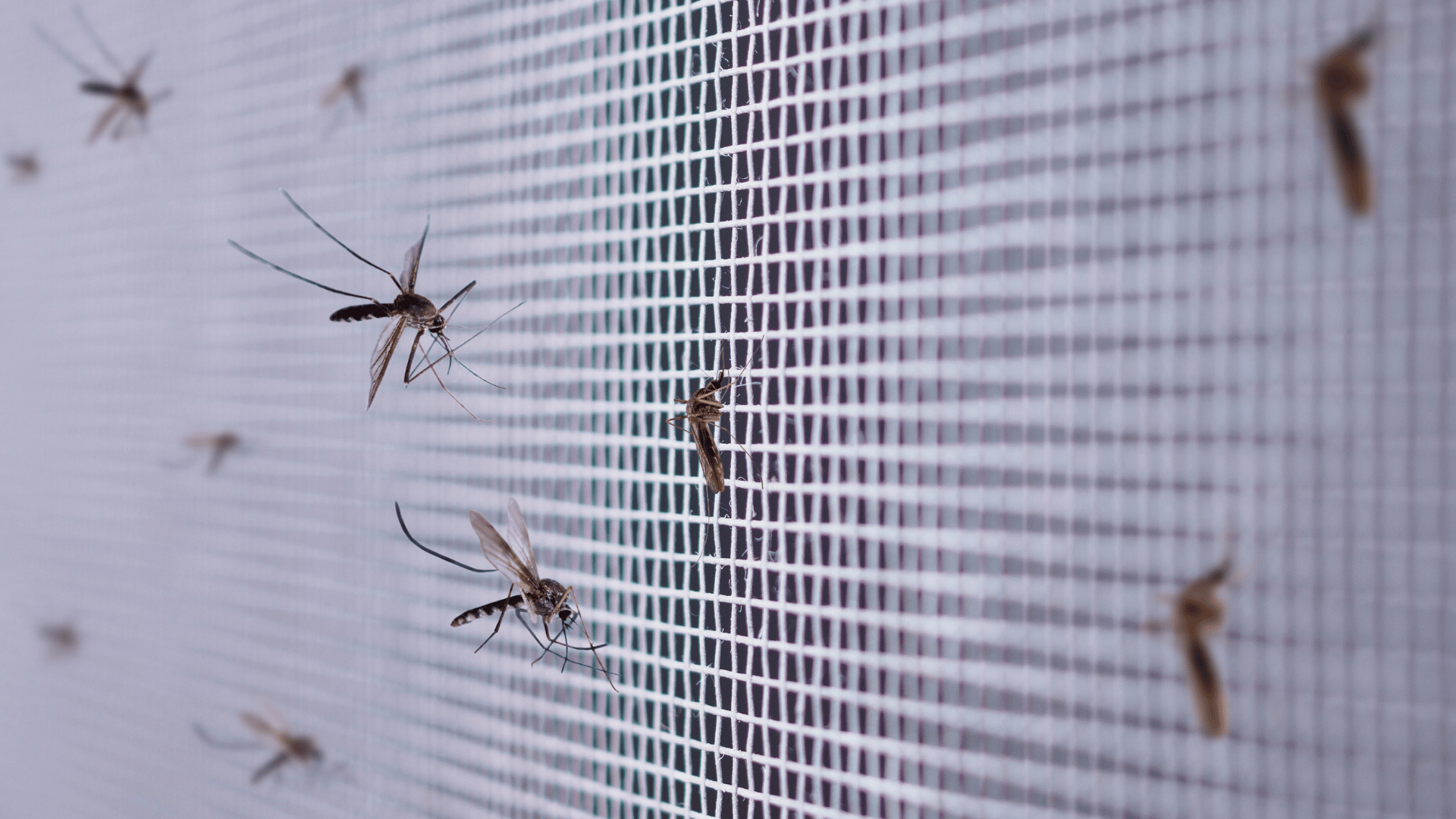
Mosquitoes resting on a white window screen, seen in close-up.
By Jeff Hendricks June 24, 2026
Dealing with Mosquitoes in Your Yard starts with removing standing water and maintaining your landscape. Learn simple, effective ways to reduce mosquitoes and enjoy a safer, more comfortable outdoor space.
Hand holding a cluster of hollow brown and white beads or seed pods on a beige surface
By Jeff Hendricks June 15, 2026
Protecting your family and property starts with safe and effective wasp nest removal. Learn how to identify nests, reduce risks, and prevent future infestations.