

Your Real-World Austin Living Guide
Living in Austin, Texas means stepping into one of the most dynamic and competitive real estate markets in the country. Whether you are moving from out of state, upgrading within Hays or Travis County, or buying your first home, understanding the Austin lifestyle before you sign anything is the smartest move you can make. This guide gives you the boots-on-the-ground perspective that only comes from working this market every day.
Central Texas Community Guide
What Living in Austin, Texas Actually Looks Like
The Austin lifestyle is fast-moving, family-friendly, and fiercely competitive when it comes to real estate. Neighborhoods shift in value quickly, school district boundaries matter more than most buyers expect, and the gap between a good offer and a winning offer can come down to hours, not days. Knowing which pockets of Travis County fit your budget, your commute, and your family's needs is not something you can figure out from a national listing portal. It takes real local knowledge, and that is exactly what this guide is built on.


Austin Neighborhoods Worth Knowing
Finding the Right Fit Across Hays and Travis Counties
Austin neighborhoods range from high-density urban corridors in Travis County to quieter, family-oriented communities anchored by top-rated school districts in Hays County. Dripping Springs, the operational anchor for Hendricks on Homes Group, sits at the heart of one of the fastest-growing corridors in the region. Families are drawn here for the Dripping Springs ISD schools and the lower-density living that comes with more land per dollar. Travis County offers proximity to employment centers and a wider variety of housing types, from new construction to established resale. Williamson, Bastrop, Caldwell, and Comal Counties round out the broader Austin-Round Rock corridor for buyers who need more space or a lower entry price point without sacrificing access to the metro.
Schools, Data, and the Austin Lifestyle
Why School District Research Changes Everything
For families moving to the Austin area, school district boundaries are often the deciding factor between two otherwise comparable homes. The difference between one street and the next can mean different campuses, different ratings, and a measurable impact on long-term resale value. A data-driven property analysis accounts for these boundaries from the start, so you are not discovering a mismatch after you are already under contract. Whether you are buying in Hays County, Travis County, or one of the surrounding secondary counties, neighborhood and school knowledge is built into every step of the process here, not treated as an afterthought.

Out-of-State Moves and the Austin Community Guide
Relocating to Central Texas Without the Guesswork
Out-of-state buyers face a specific challenge in the Austin market: the window to act on a property is short, and being physically absent can cost you a deal. Virtual home tours bridge that gap, letting you see a property in real time with someone who knows the neighborhood, the street, and the surrounding area. For relocators moving from California or other high-cost states, the Austin lifestyle offers a compelling combination of lower property taxes relative to purchase price, strong job markets, and a wide range of community options from urban to rural. The logistics of a long-distance move, from coordinating timing to understanding which local lenders and inspectors are reputable, are handled with hands-on support so the transition feels manageable rather than overwhelming.
Austin Communities
Austin Living
From compact city places to wide open spaces, there is something for everyone looking to relocate to the Austin area. If you're looking for a suburb that's still close and convenient to downtown Austin, there are plenty of options. Here are a few of the most popular areas.
Buda
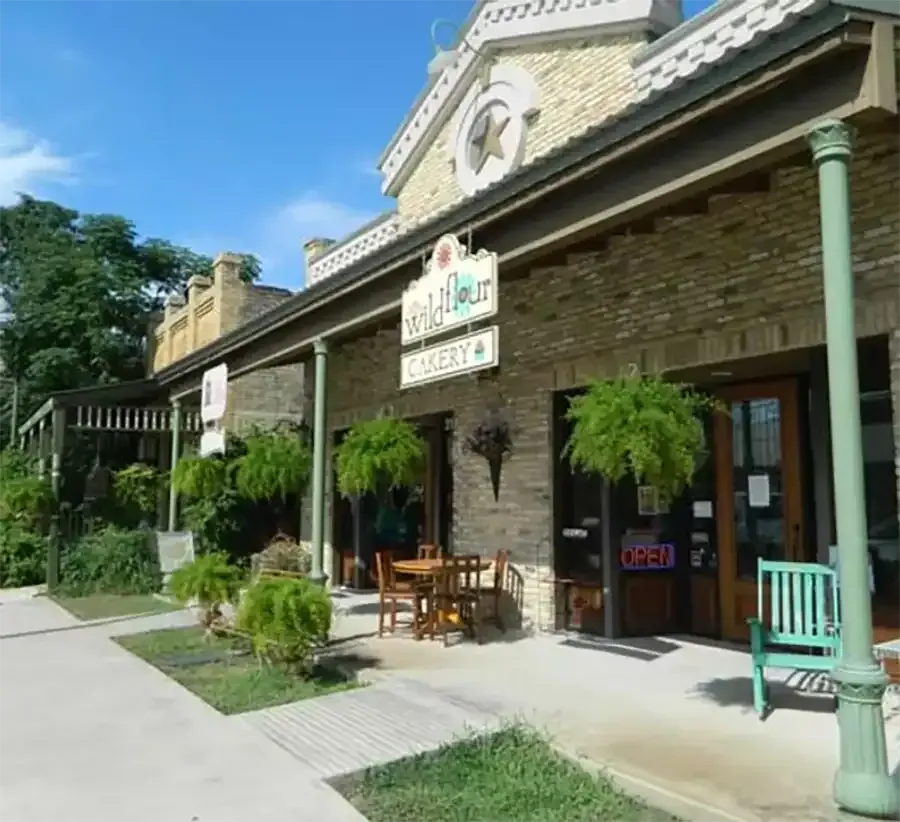
This historical town, conveniently located 15 miles south of downtown Austin, is known for its focus on small business, nature, and scenic landscapes. Recently, the Texas State Legislature recently voted Buda the “Outdoor Capital of Texas.” Ever growing, Buda is an increasingly popular Austin suburb for businesses and homebuyers and those who enjoy outdoor adventures.

Dripping Springs
With its highly rated schools and master planned communities, Dripping Springs is fast becoming one of the best places to live in Texas. Located just west of Austin, Dripping Springs offers a unique suburban and rural mix. It is known as the “Gateway to the Hill Country” and features a quaint downtown area and plenty of wineries, craft breweries and distilleries.

Kyle
This historical town, conveniently located 15 miles south of downtown Austin, is known for its focus on small business, nature, and scenic landscapes. Recently, the Texas State Legislature recently voted Buda the “Outdoor Capital of Texas.” Ever growing, Buda is an increasingly popular Austin suburb for businesses and homebuyers and those who enjoy outdoor adventures.

Oak Hill
Considered one of the last affordable areas of Austin, Oak Hill is a favorite among those looking for proximity to both the city and the Texas Hill Country. Schools are highly rated and homes are often more spacious. Local favorites like Jack Allen’s Kitchen are a stone’s throw and there is plenty of access to more dining and shopping options. Whether looking for a home, apartment or townhome, you'll find many choices in Oak Hill.
Driftwood
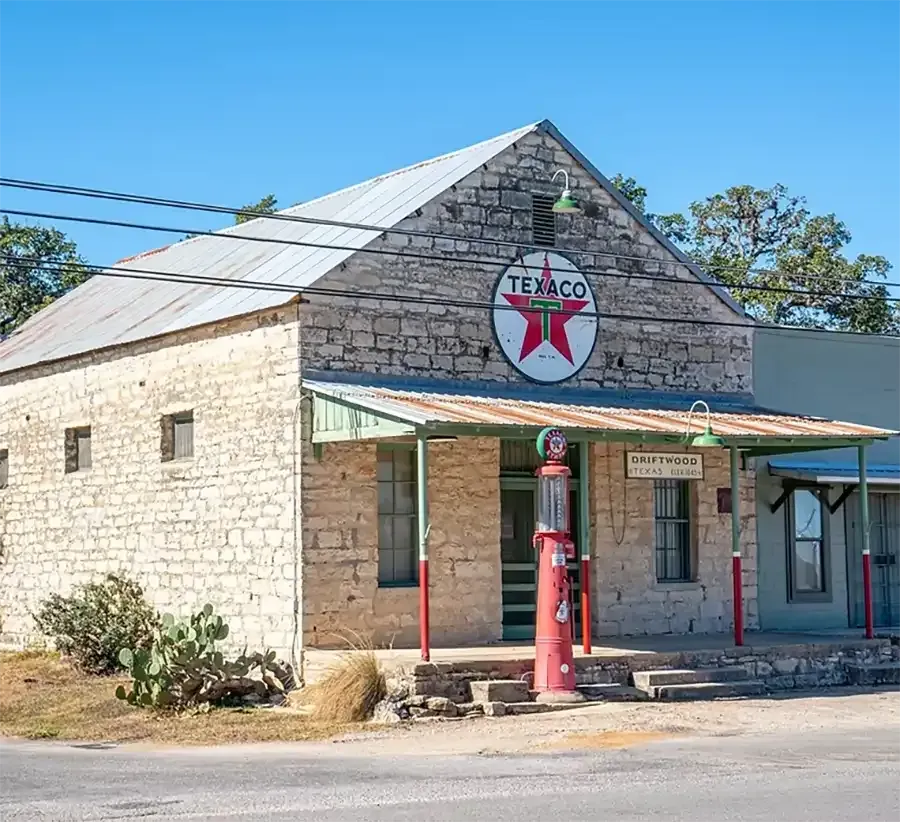
According to the Texas State historical association, Driftwood was settled in the 1880s and served as a supply center for the ranches and farms in the area. Today, it is known not for what it does have, but for what it does not. Absent of stoplights, Driftwood is still primarily rural, unincorporated and unrestricted. Recently, however, Driftwood area has expanded to include a few high-end subdivisions and promises even more development in the future.

South Austin
Once considered the outskirts of town, Southwest Austin is growing quickly, encompassing many older, established neighborhoods as well as new developments and apartment living. It has become an increasingly sought-after area featuring parks, hiking trails, and plenty of green space, as well as top schools. Southwest Austin also has the advantage of being relatively close to downtown amenities like shopping and dining.

Wimberley
Known for the cypress trees along the banks of the Blanco River, a thriving artist community and a quaint town square, Wimberley is referred to as a “little bit of heaven.” If you’re looking for small town Texas Americana, small schools and big hearts, this Texas Hill Country gem won’t disappoint! For many, it’s a convenient getaway that’s not so far away. Wimberley is located only about 45 minutes southwest of Austin and 60 minutes northeast of San Antonio.
Austin Living, Answered
Common Questions About Life in Central Texas
What makes Austin neighborhoods different from one another in terms of real estate value?
Austin neighborhoods vary significantly based on school district boundaries, proximity to employment centers, lot sizes, and housing age. In Travis County, you tend to find more urban density and shorter commutes to major job hubs, while Hays County communities like Dripping Springs offer larger lots and highly rated school districts at a different price point. Even streets within the same ZIP code can fall into different school attendance zones, which directly affects resale value. A property analysis that accounts for these variables from the start helps buyers avoid surprises and make a better-informed decision about where their money goes furthest.Is living in Austin, Texas still affordable compared to other major metros?
Austin remains more affordable than many coastal metros on a price-per-square-foot basis, though it is one of the most competitive markets in the country. Buyers coming from California or the Northeast often find that their budget stretches further here, particularly in secondary counties like Williamson, Bastrop, Caldwell, and Comal. That said, the Austin market moves fast, and a well-priced home in a desirable school district can attract multiple offers within days. Understanding current market conditions, days on market, and comparable sales data is essential before making any offer in this environment.How do virtual home tours work for out-of-state buyers looking to relocate to Austin?
Virtual home tours allow out-of-state buyers to view properties in real time through a live video walkthrough conducted by someone physically present at the home. This means you can ask questions, request a closer look at specific features, and get an honest read on the neighborhood and surrounding area without booking a flight. For buyers relocating from other states, this approach makes it possible to stay competitive in a high-velocity market where waiting for an in-person visit can mean losing a property to a faster offer. The goal is to give you the same quality of information you would have standing in the room yourself.Which Austin-area counties are covered for buyers and sellers?
The primary focus is on Hays County and Travis County, which together cover the core Austin and Dripping Springs markets. Secondary service areas include Williamson, Bastrop, Caldwell, and Comal Counties, which are part of the broader Austin-Round Rock corridor. Georgetown and San Marcos are not covered. This focused approach means the local knowledge applied to your transaction is deep and current, not spread thin across a region too large to know well.What is the Homes for Heroes program and who qualifies?
Homes for Heroes is a program that provides specific real estate incentives for frontline professionals, including police officers, firefighters, teachers, veterans, and medical associates. It is designed to make homeownership more financially accessible for people who serve the community. If you work in one of these fields and are buying or selling in the Central Texas area, this program may offer meaningful savings as part of your transaction.Does Hendricks on Homes Group offer property management services for Austin rentals?
No. Property management and tenant pre-screening are not services offered by Hendricks on Homes Group. The firm's leasing work focuses on helping renters and buyers navigate the competitive Central Texas rental and purchase market, with hands-on support to secure properties in high-demand areas. If you need ongoing management of a rental property, you would need to work with a separate property management company. The firm's investment focus is on acquisition strategy, market analysis, and helping clients identify high-yield rental and fix-and-flip opportunities.What hours is Hendricks on Homes Group available to help with my Austin home search?
Hendricks on Homes Group operates Monday through Saturday from 7:00 AM to 12:00 AM. Sunday is closed. This extended availability is intentional: the Austin market does not slow down for business hours, and neither do the schedules of frontline workers, out-of-state buyers in different time zones, or families juggling work and school pickups. If a listing needs a fast response, that window of availability is a practical advantage in a market where acting within 24 hours can be the difference between winning and losing a deal.

What Homeowners Are Saying
Client Satisfaction Speaks for Itself
Discover why clients across Hays and Travis Counties trust Hendricks on Homes Group to guide their real estate journeys. From first-time homebuyers to seasoned out-of-state investors, our clients value Jeff's perfect balance of a lighthearted approach and serious, data-driven negotiation skills. Read our customer reviews to see how we build the trust that gets deals done!