



Checking Carbon Monoxide Detectors at Home | A Complete Guide
Jeff Hendricks • August 1, 2025

Carbon monoxide (CO) is an invisible menace—colorless, odorless, and tasteless—that can become deadly when inhaled in high concentrations. Since detecting CO without a specialized device is impossible, checking carbon monoxide detectors regularly is a crucial safety measure in every home. A properly functioning CO detector can alert you early, preventing poisoning and saving lives. 

Why Regular Checks Matter

Smoke-filled room with a ceiling-mounted fire sprinkler and cabinets along the wall

Carbon monoxide (CO) is produced by incomplete combustion from appliances like gas furnaces, stoves, fireplaces, and water heaters. Even a tiny leak from any of these sources can result in a buildup of dangerous carbon monoxide levels indoors. Since this gas has no smell, taste, or color, it can accumulate silently, turning your home into a hazardous environment without you even knowing it.


Because CO poisoning symptoms often mimic the flu—headaches, dizziness, nausea—it’s vital not to rely on your senses alone. These signs can be misleading and easy to ignore. That’s why maintaining your detectors by frequent testing is the best defense. Regular checks ensure your devices are functioning properly and can alert you before CO reaches harmful levels. Taking a few minutes to test your detector could be the most important step in keeping your home safe.

How to Test a Carbon Monoxide Detector

Most CO detectors feature a test button. To test a carbon monoxide detector correctly, press and hold this button until you hear a loud, clear alarm. If no sound follows, replace the batteries immediately. Still no alarm? Then it’s time to replace the detector altogether.


Some advanced models have digital displays showing real-time CO levels. If your device indicates persistent or rising CO concentrations, evacuate your home and contact emergency services without delay.


Experts recommend testing your CO detectors monthly and swapping batteries yearly or at the first chirp warning of low power.

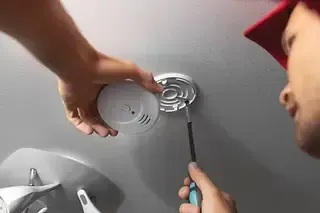
Hand using a screwdriver to remove a round smoke detector from a ceiling mount

Choosing the Best Smoke and Carbon Monoxide Detector

For maximum protection at home, consider using a dual-function smoke and carbon monoxide detector. These devices are designed to detect both smoke from fires and carbon monoxide (CO) from appliances like gas stoves, furnaces, or water heaters. By combining both functions into one unit, you save space and simplify your home’s safety system.


When shopping for the best detector, look for units with recognized safety certifications to ensure they meet industry standards. Many modern detectors include voice alerts that clearly state whether the danger is from smoke or CO—providing quick, clear information in an emergency. It’s also wise to choose a model with long-lasting batteries, such as sealed lithium batteries that can last up to 10 years without needing replacement.


A reliable detector, combined with regular testing, offers peace of mind and strong protection for you and your family. It’s a simple investment that could save lives.

Placement and Maintenance Tips

Blurred mirror view of two people standing in a bathroom beside a shower curtain

Install detectors on every floor, especially near bedrooms and fuel-burning appliances. Avoid placing them in direct sunlight, humid spots, or close to vents, which can trigger false alarms.


Remember to replace your detector every 5 to 7 years, clean it gently to remove dust, and never disable the device—even if it alarms unexpectedly.


Regularly checking carbon monoxide detectors, knowing how to test a carbon monoxide detector, and choosing the best smoke and carbon monoxide detector are simple yet vital steps toward safeguarding your home. Make detector maintenance a monthly habit—it just might save your life.

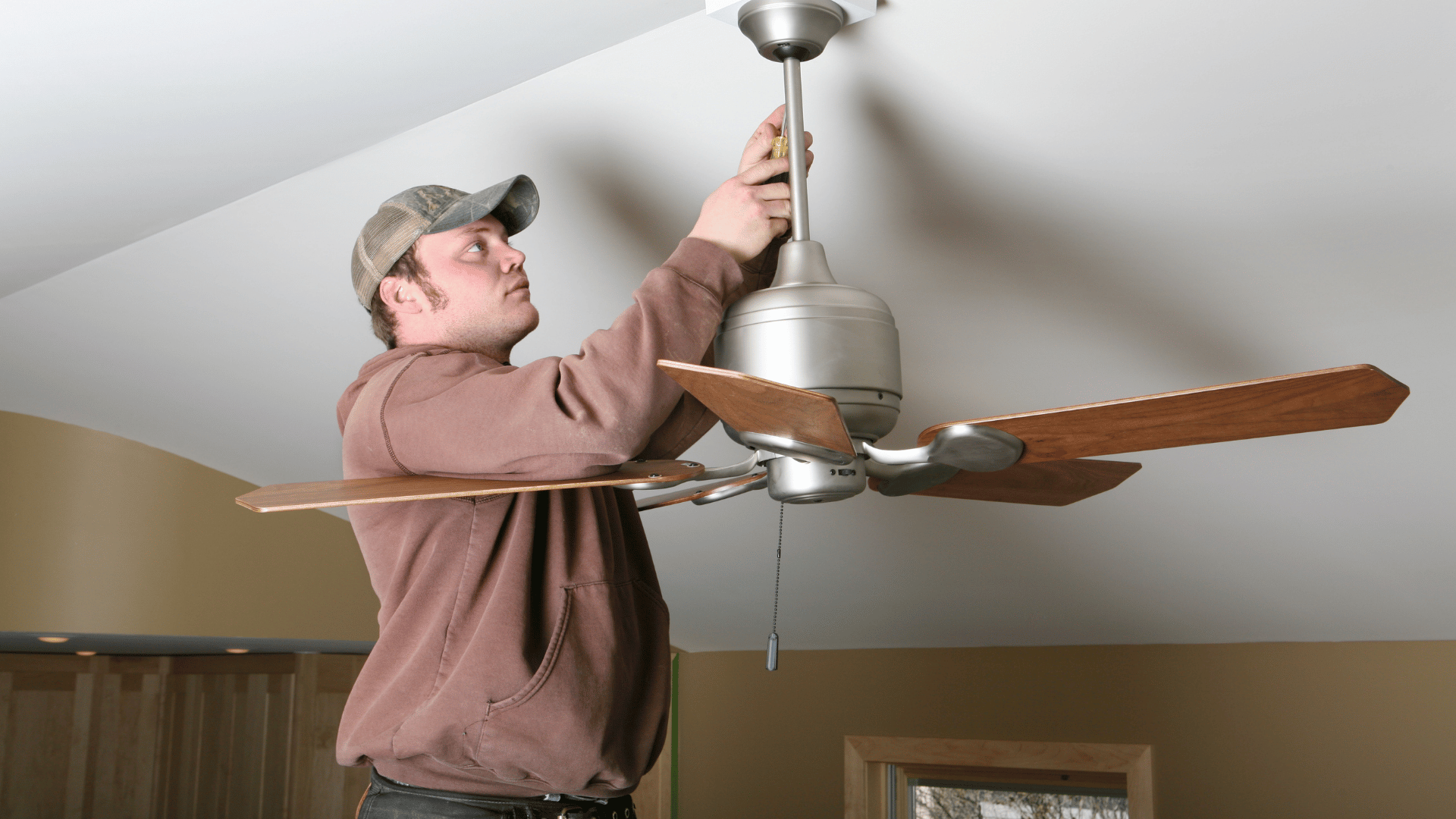
Man installing a ceiling fan with a screwdriver in a living room
By Jeff Hendricks August 25, 2026
Simple ceiling fan maintenance tips to help you remove dust, check loose parts, balance the blades, and keep your fan working properly.

Man installing a white ceiling fan with wood blades on a ceiling indoors.
By Jeff Hendricks August 19, 2026
Learn to save energy at home with ceiling fan tips. Adjust settings for comfort & efficiency. Contact us for expert real estate advice!

Caulking a white window frame with a sealant gun near a bright window
By Jeff Hendricks August 11, 2026
Learn how to block drafts in old homes with simple, affordable tips. Seal air leaks, improve comfort, lower energy bills, and keep your home warm in winter and cool in summer.
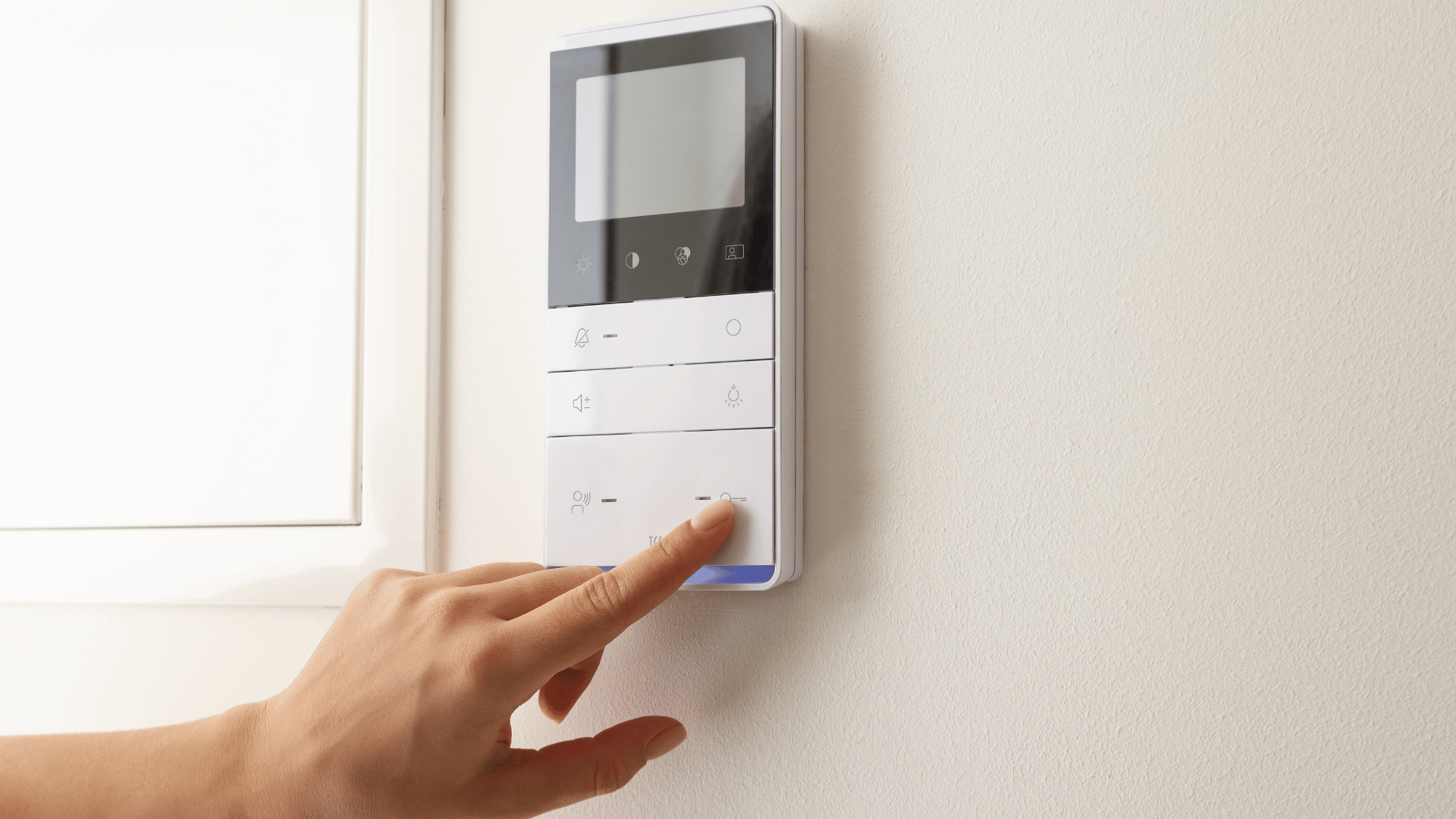
Hand pressing a blue button on a wall-mounted video intercom panel
By Jeff Hendricks August 4, 2026
Discover practical tips for reducing heating and cooling costs. Learn simple ways to improve energy efficiency, lower utility bills, and keep your home comfortable all year long.
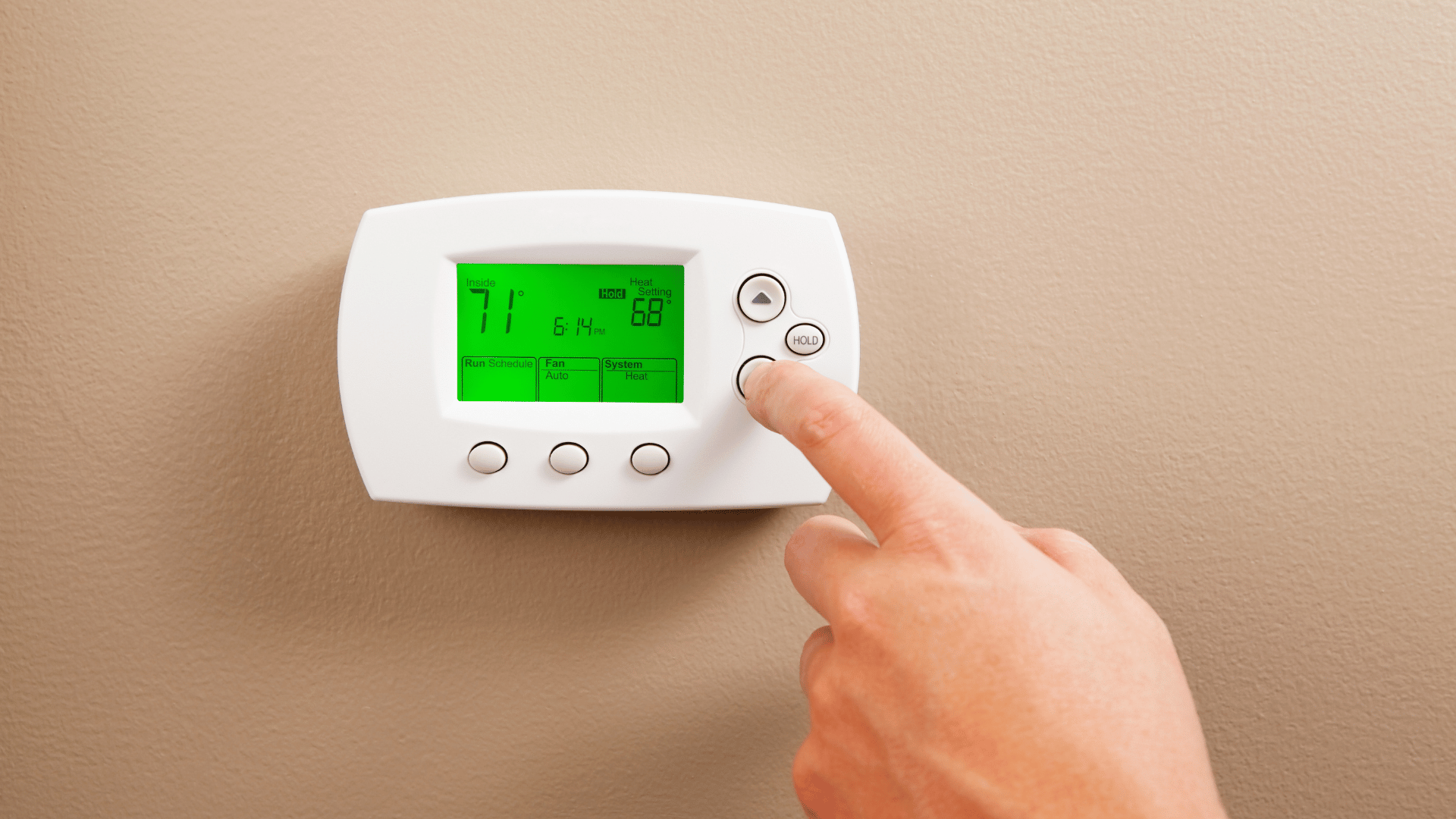
Hand pressing buttons on a white wall thermostat with a green digital display
By Jeff Hendricks July 26, 2026
Discover how to install a programmable thermostat safely and correctly. Follow this easy guide to improve energy efficiency and reduce heating and cooling costs.
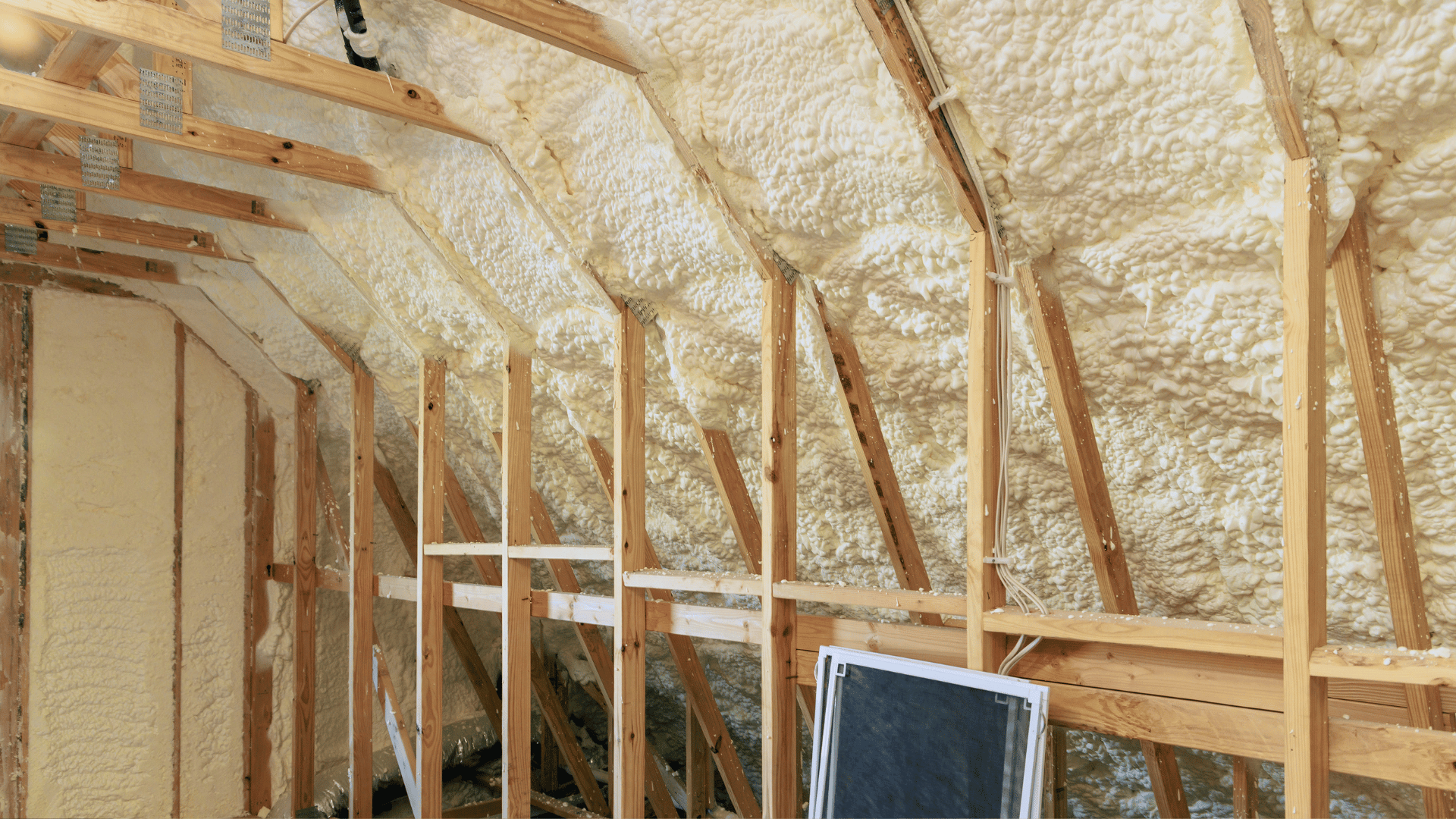
Insulated attic framing with exposed wooden studs and spray foam along the roof and walls
By Jeff Hendricks July 20, 2026
Discover the benefits of adding attic insulation. Save energy, lower utility bills, improve home comfort, and increase your home's value year-round.
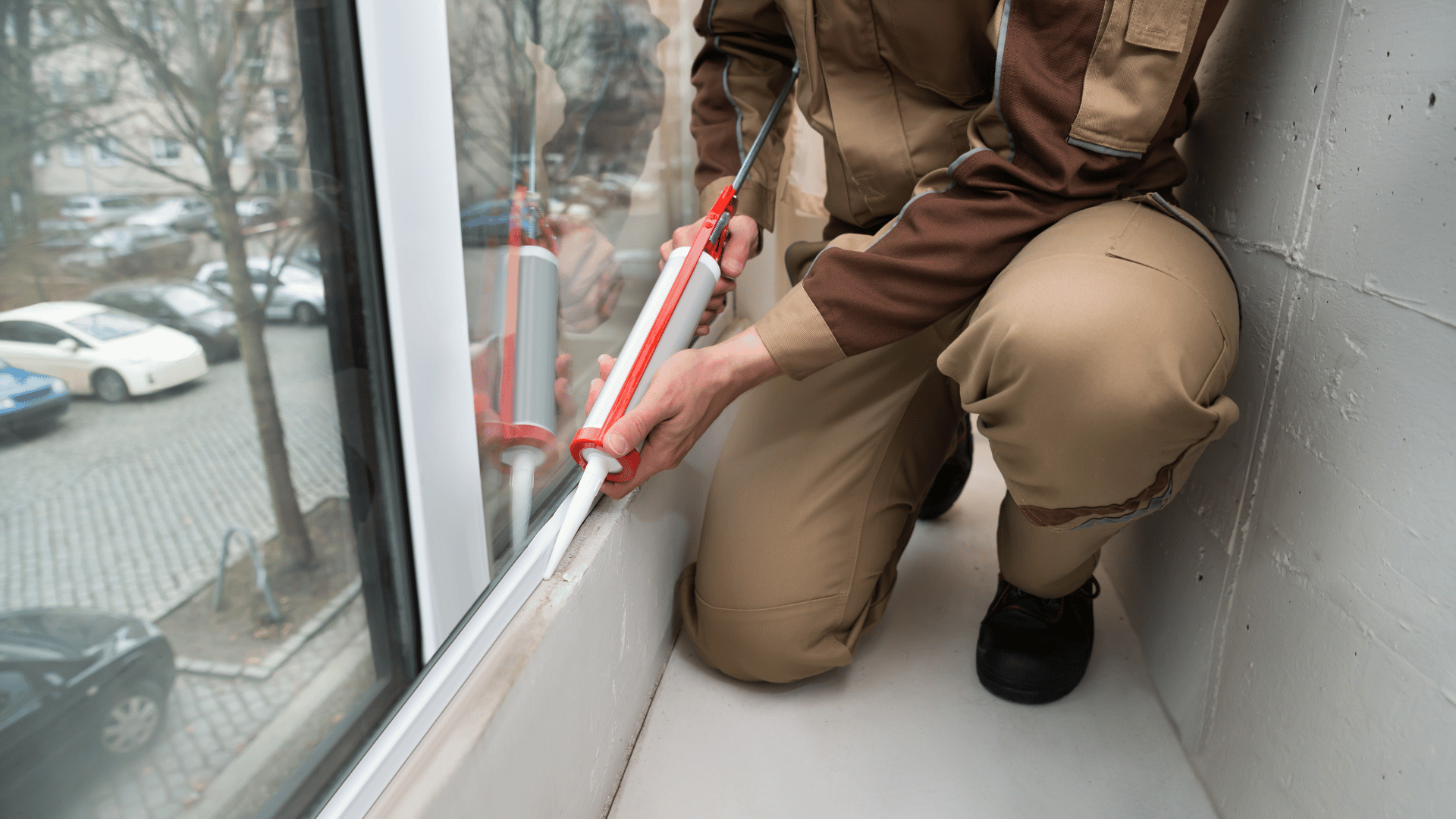
Person kneeling by a window, applying red caulk to the sill inside a room.
By Jeff Hendricks July 15, 2026
How to seal entry points to prevent pests by finding and closing cracks, gaps, and holes around your home. Learn simple, effective tips to keep insects and rodents outside and protect your home year-round.
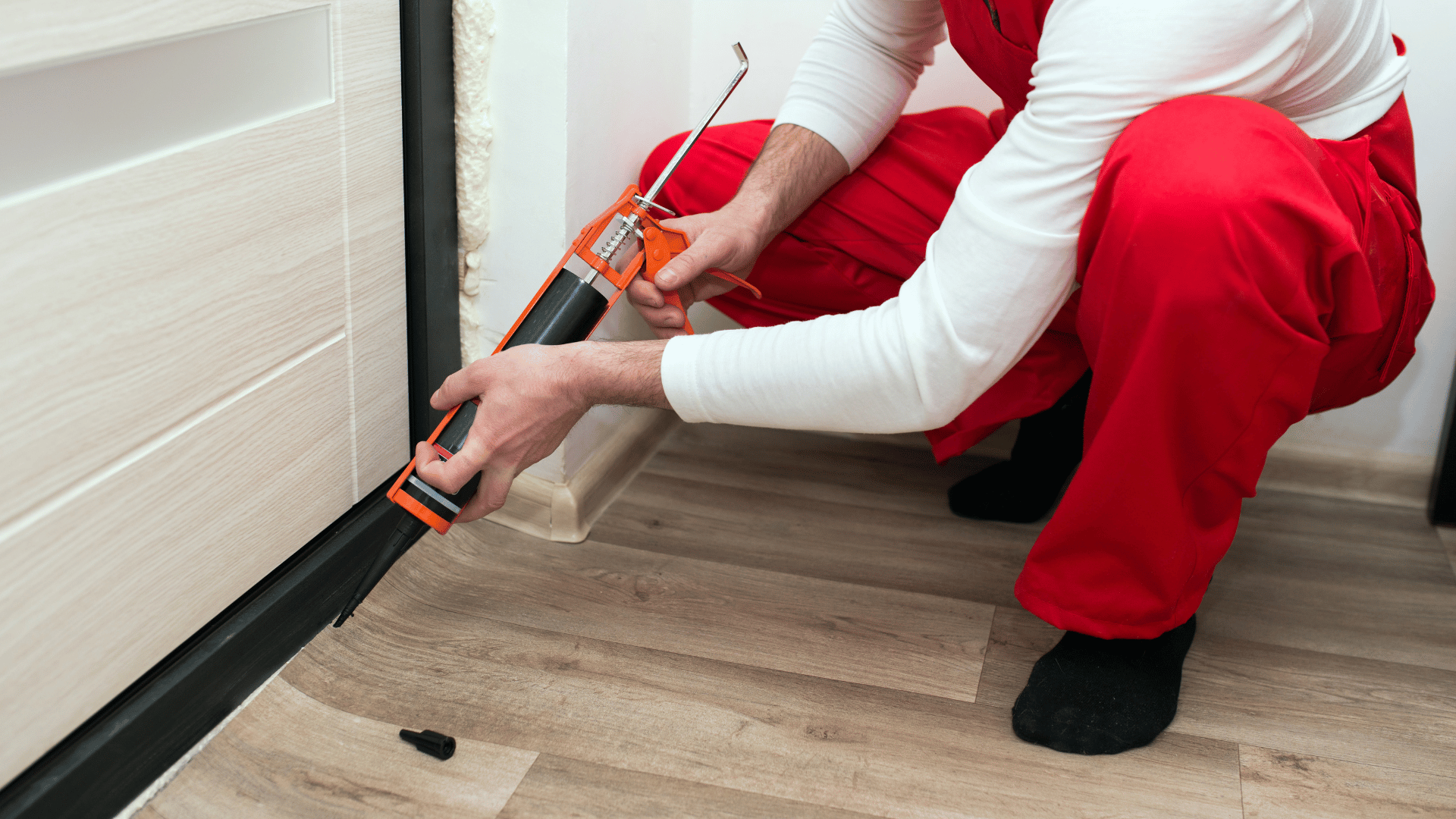
Person in red pants and white shirt applying sealant along a floor baseboard with a caulking gun
By Jeff Hendricks July 12, 2026
Learn how to weatherstrip doors and windows to stop drafts, improve energy efficiency, lower utility bills, and keep your home more comfortable all year long.

Spider on a web against a dark background
By Jeff Hendricks July 1, 2026
How to control spiders in basements and garages with simple and effective tips. Learn how cleaning, sealing entry points, and reducing clutter can help keep your basement and garage spider-free.
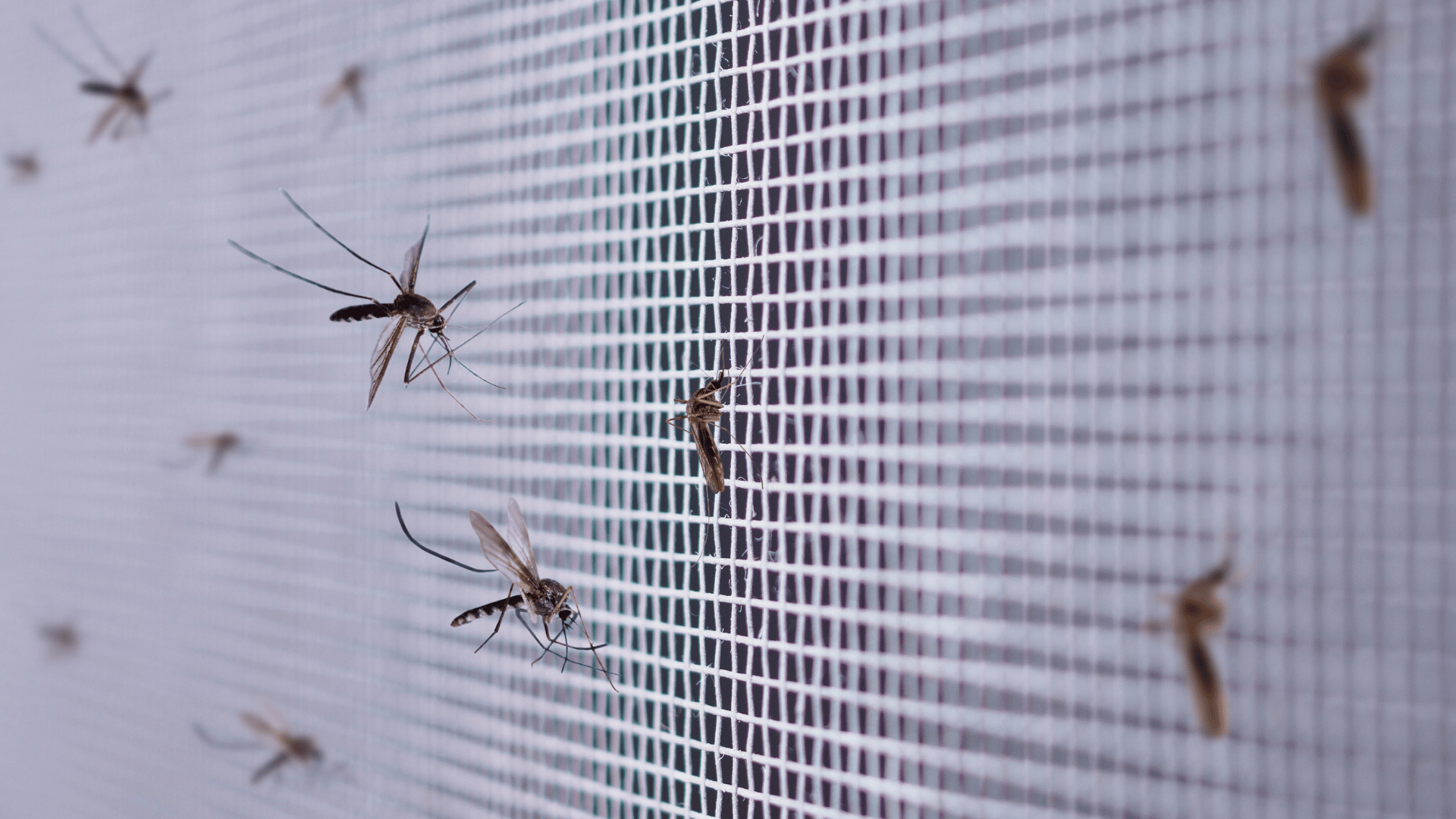
Mosquitoes resting on a white window screen, seen in close-up.
By Jeff Hendricks June 24, 2026
Dealing with Mosquitoes in Your Yard starts with removing standing water and maintaining your landscape. Learn simple, effective ways to reduce mosquitoes and enjoy a safer, more comfortable outdoor space.