

Main Shut Off Valve Replacement | Find and Shut Off Your Main Water Valve
Jeff Hendricks • July 18, 2025

The main shut off valve is a vital, often overlooked part of your home’s plumbing system. It controls every drop of water entering your house, acting as the ultimate safeguard against flooding and costly water damage. Understanding how to find the water main in your house, how to properly operate it, and when to replace it can literally save your home—and your wallet.

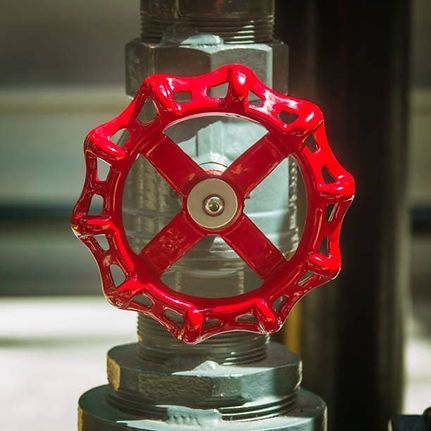
Red valve wheel on a metal pipe assembly with a clear section in the center

How to Find the Water Main in Your House

Most homes place the main shut off valve close to where the water supply line enters the building. This spot is usually tucked away in basements, crawlspaces, utility rooms, or near the water heater. However, in warmer regions, the valve may be located outside, either mounted on an exterior wall or hidden underground inside a water meter box. Finding it in advance is critical—especially before an emergency strikes.


The valve typically looks like one of two types: a round wheel, known as a gate valve, or a lever handle called a ball valve. The gate valve requires multiple turns—similar to winding a faucet handle—to open or close fully. Ball valves are simpler and quicker to operate, working with a single 90-degree turn of the lever. If you’re struggling to locate it, check your home inspection reports or call your local water utility provider. Being prepared is the first step in protecting your home.

Find and Shut Off Your Main Water Valve

When leaks or bursts happen, shutting off the water supply immediately is essential. For gate valves, turn the wheel clockwise firmly until it stops. It might require some strength, especially if it hasn’t been used recently. For ball valves, simply turn the lever until it is perpendicular to the pipe; this shuts the water off instantly. Acting quickly can prevent a minor leak from turning into a devastating flood.

When to Replace the Main Shut Off Valve

Valves don’t last forever. Over time, they can corrode, seize up, or develop leaks. If you notice drips near the valve, struggle to turn the handle, see water flowing when the valve is closed, or spot rust and damage, it’s time for a replacement. Ignoring these signs is risky. A faulty valve can fail when you need it most, causing serious damage and expensive repairs.

How Is Main Shut Off Valve Replacement Done?

Hand rinsing under a running kitchen faucet in a bright sink

Replacing a main shut off valve should always be done by a licensed plumber. First, they shut off water at the street or meter. Next, the old valve is removed and replaced with a new one—usually a ball valve, prized for its tight seal and ease of use during emergencies. The plumber tests the new valve thoroughly before restoring water flow, ensuring your home stays safe.


Regular checks and timely valve replacement are essential for every homeowner. If you’re unsure about your valve’s condition or location, contact a professional plumber for inspection and advice. Taking these steps offers peace of mind and safeguards your home from unexpected water damage.

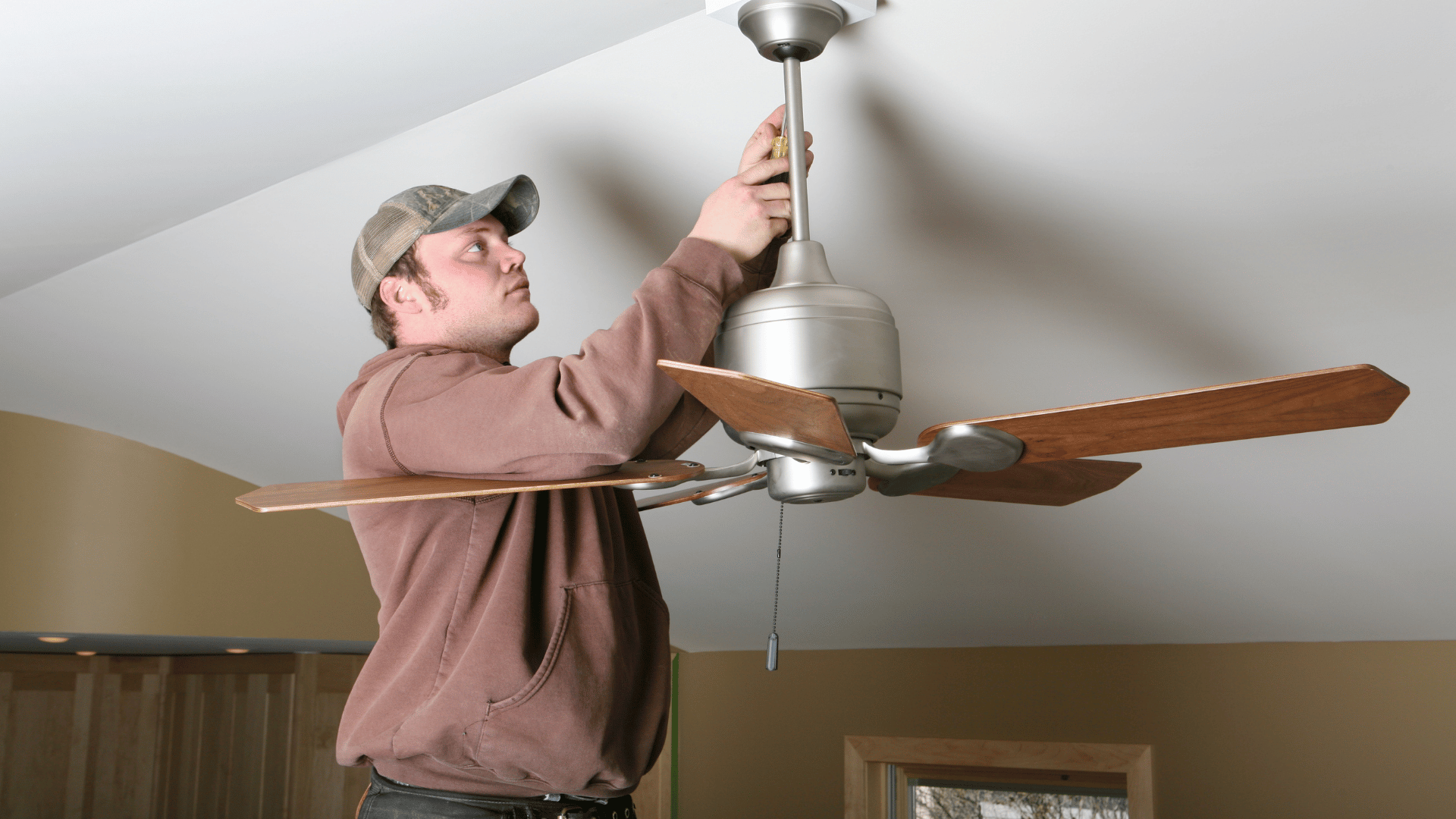
Man installing a ceiling fan with a screwdriver in a living room
By Jeff Hendricks August 25, 2026
Simple ceiling fan maintenance tips to help you remove dust, check loose parts, balance the blades, and keep your fan working properly.
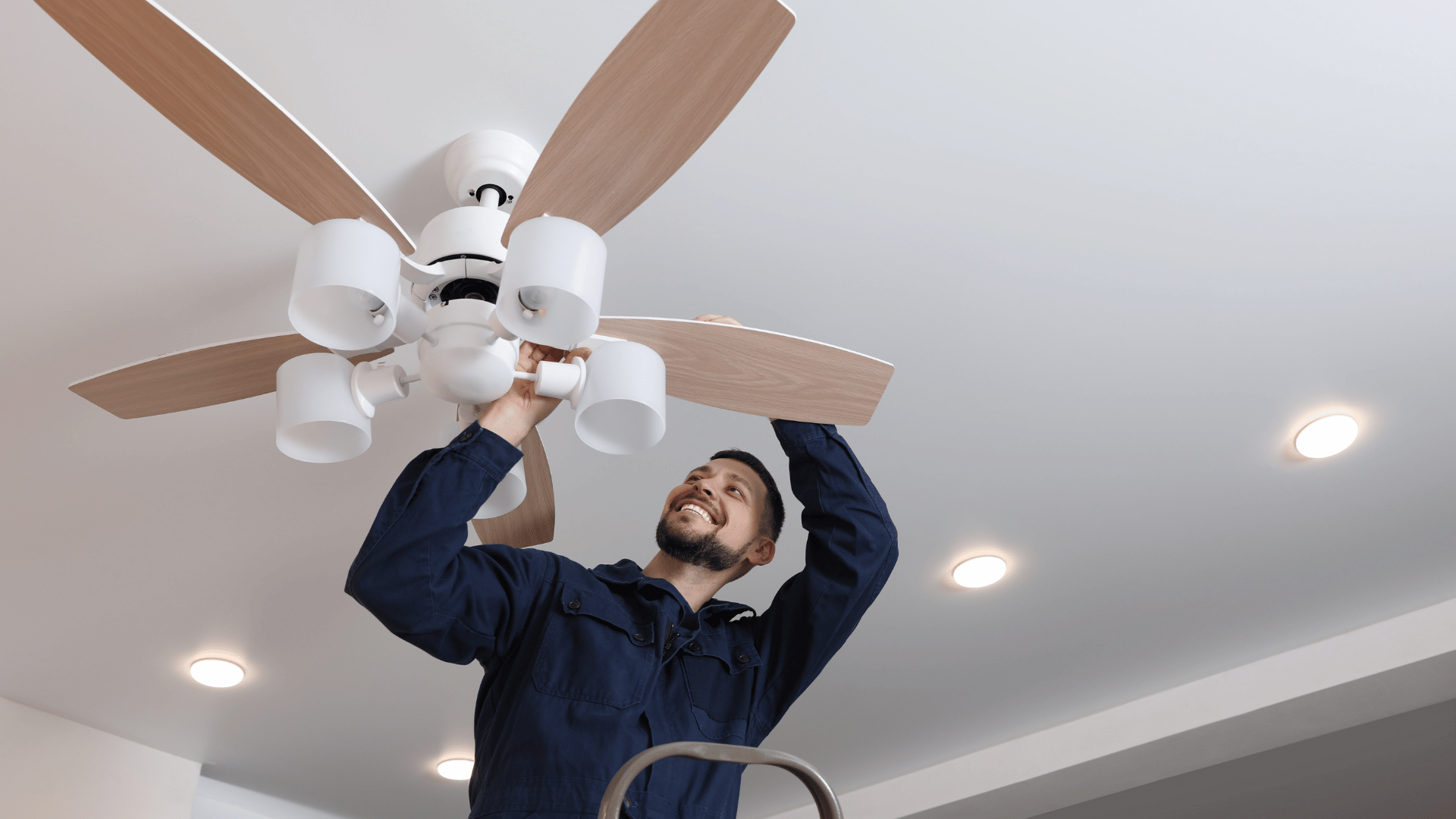
Man installing a white ceiling fan with wood blades on a ceiling indoors.
By Jeff Hendricks August 19, 2026
Learn to save energy at home with ceiling fan tips. Adjust settings for comfort & efficiency. Contact us for expert real estate advice!
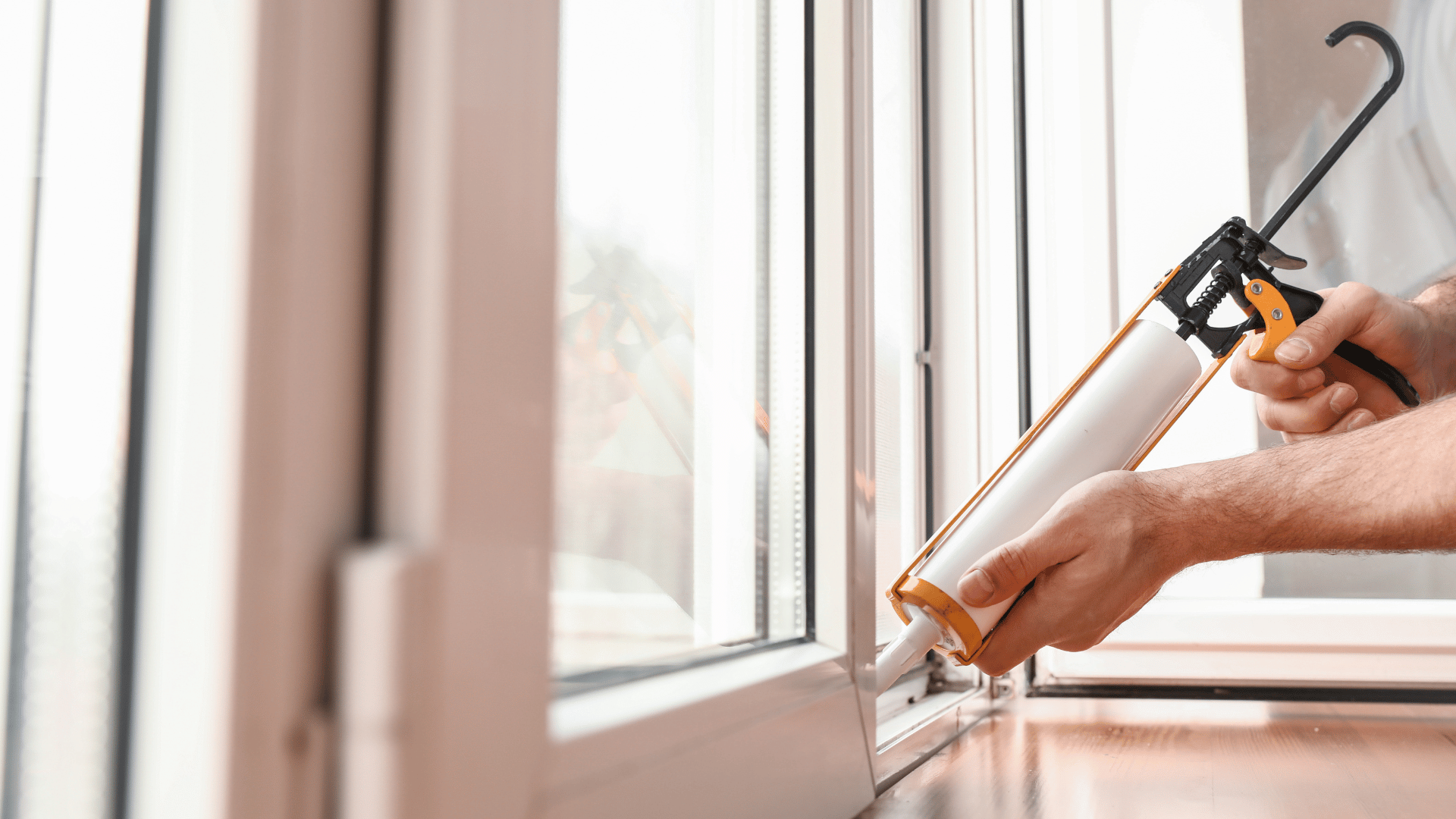
Caulking a white window frame with a sealant gun near a bright window
By Jeff Hendricks August 11, 2026
Learn how to block drafts in old homes with simple, affordable tips. Seal air leaks, improve comfort, lower energy bills, and keep your home warm in winter and cool in summer.
Hand pressing a blue button on a wall-mounted video intercom panel
By Jeff Hendricks August 4, 2026
Discover practical tips for reducing heating and cooling costs. Learn simple ways to improve energy efficiency, lower utility bills, and keep your home comfortable all year long.
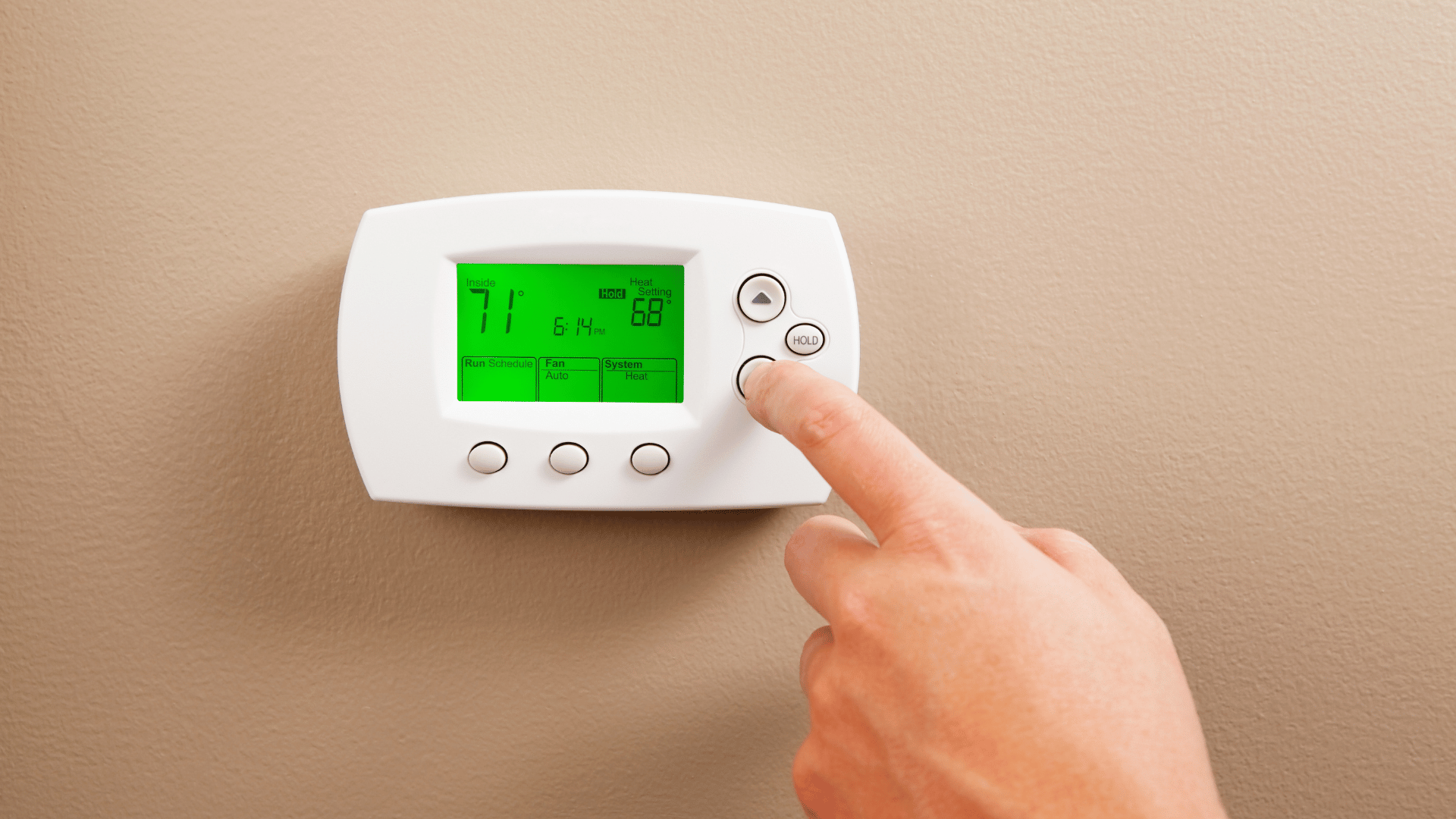
Hand pressing buttons on a white wall thermostat with a green digital display
By Jeff Hendricks July 26, 2026
Discover how to install a programmable thermostat safely and correctly. Follow this easy guide to improve energy efficiency and reduce heating and cooling costs.
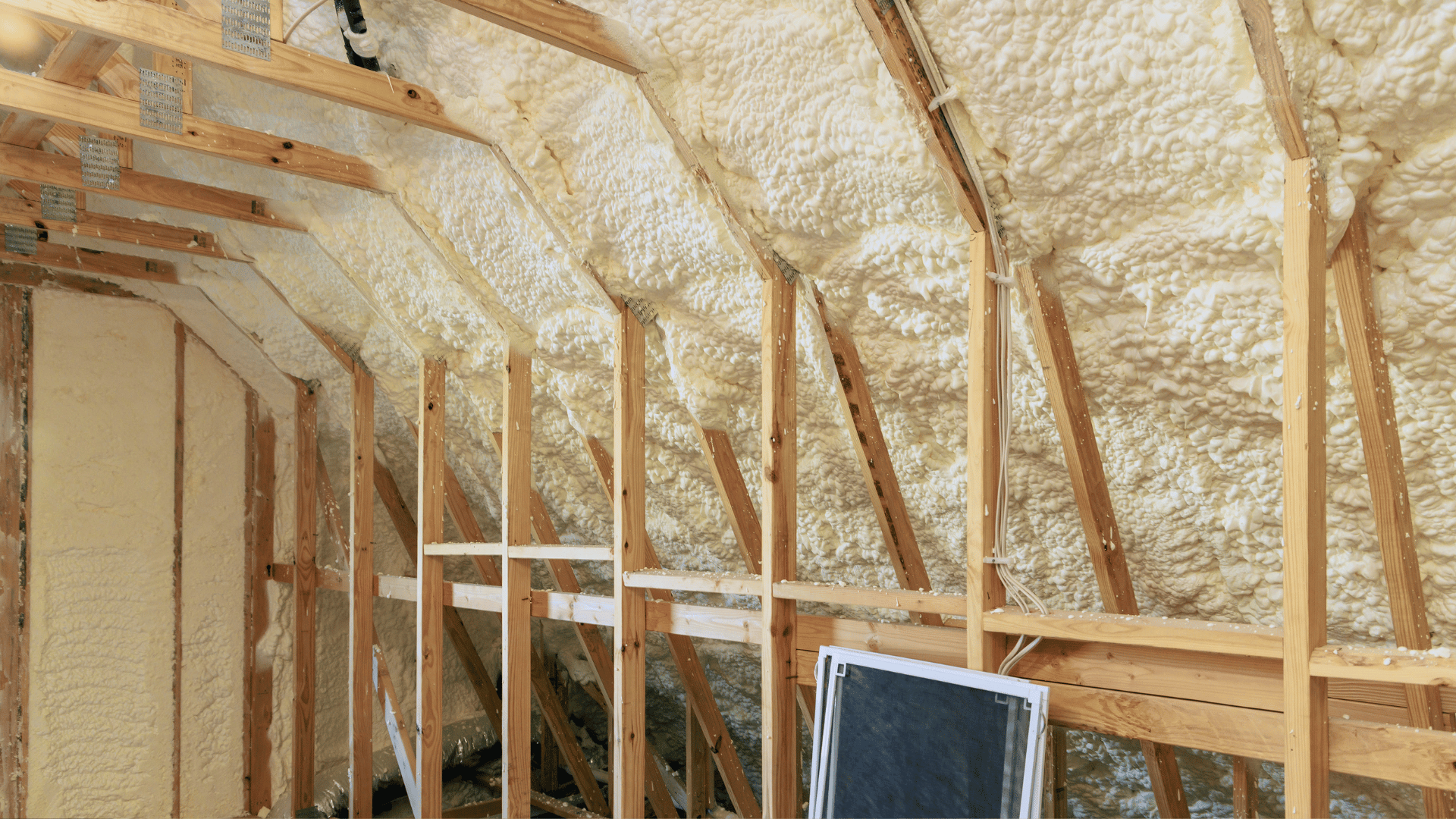
Insulated attic framing with exposed wooden studs and spray foam along the roof and walls
By Jeff Hendricks July 20, 2026
Discover the benefits of adding attic insulation. Save energy, lower utility bills, improve home comfort, and increase your home's value year-round.
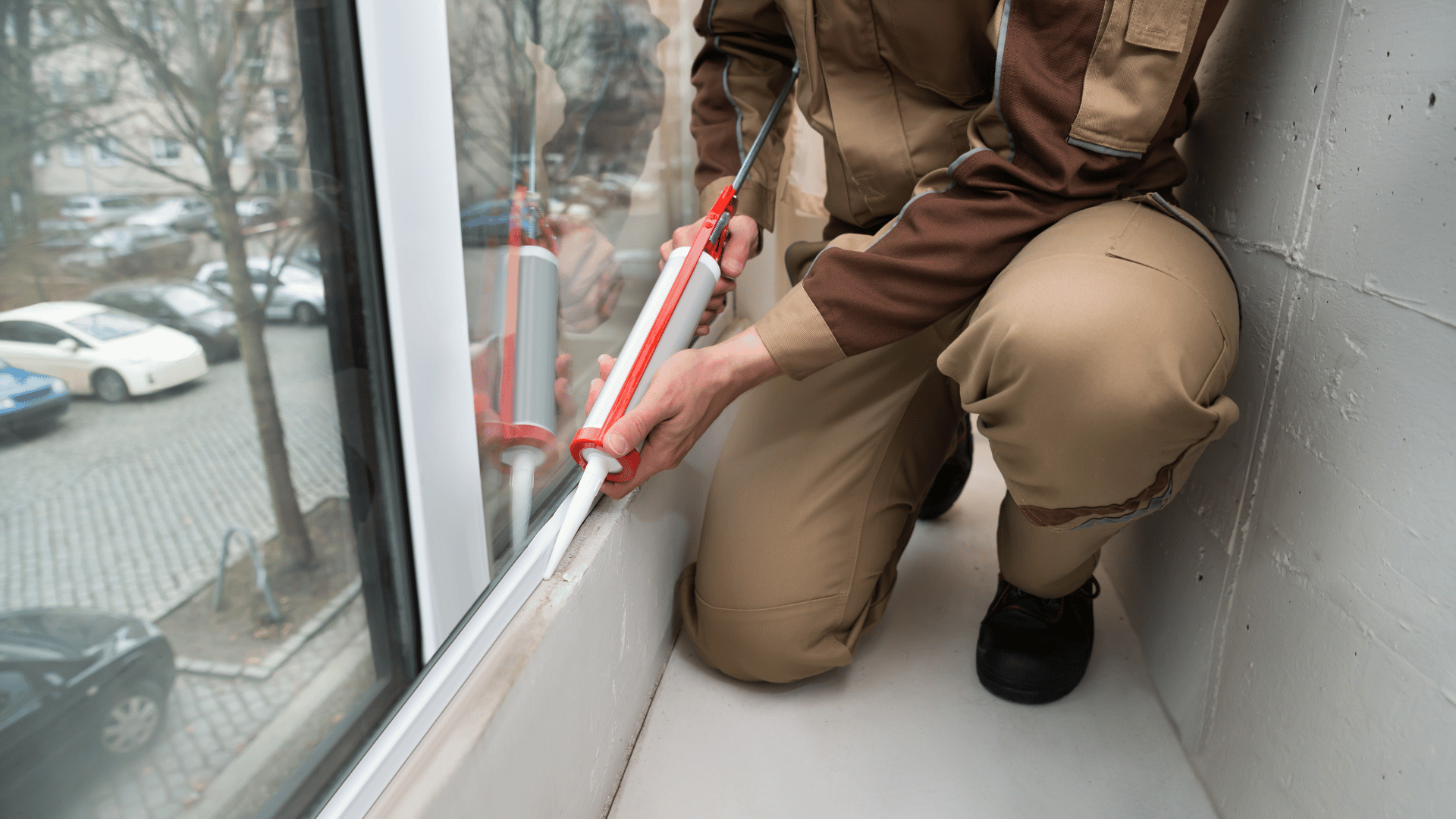
Person kneeling by a window, applying red caulk to the sill inside a room.
By Jeff Hendricks July 15, 2026
How to seal entry points to prevent pests by finding and closing cracks, gaps, and holes around your home. Learn simple, effective tips to keep insects and rodents outside and protect your home year-round.
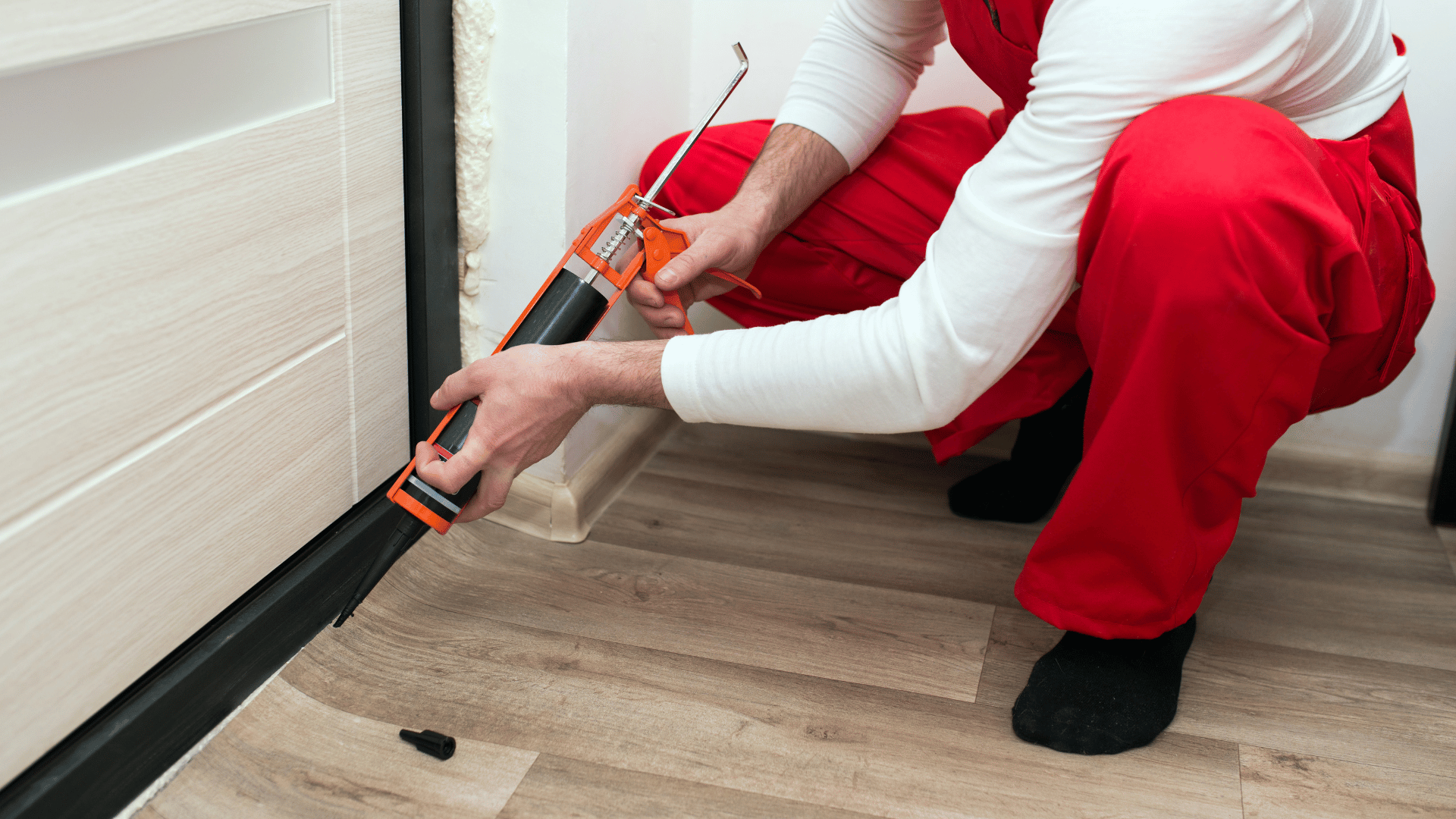
Person in red pants and white shirt applying sealant along a floor baseboard with a caulking gun
By Jeff Hendricks July 12, 2026
Learn how to weatherstrip doors and windows to stop drafts, improve energy efficiency, lower utility bills, and keep your home more comfortable all year long.
Spider on a web against a dark background
By Jeff Hendricks July 1, 2026
How to control spiders in basements and garages with simple and effective tips. Learn how cleaning, sealing entry points, and reducing clutter can help keep your basement and garage spider-free.
Mosquitoes resting on a white window screen, seen in close-up.
By Jeff Hendricks June 24, 2026
Dealing with Mosquitoes in Your Yard starts with removing standing water and maintaining your landscape. Learn simple, effective ways to reduce mosquitoes and enjoy a safer, more comfortable outdoor space.