


How to Prevent Frozen Pipes: Simple and Effective Homeowner Tips
Jeff Hendricks • November 1, 2025
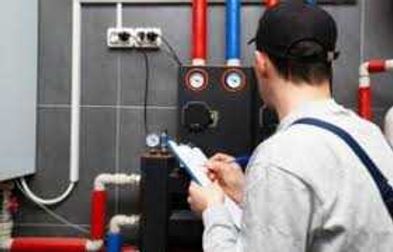
Technician checking boiler gauges with a tablet in a utility room with pipes and valves

When the temperatures plunge across Texas, many homeowners find themselves facing a hidden but serious threat: frozen pipes. A sudden cold spell can turn ordinary plumbing into a ticking time bomb, leading to bursts, expensive repairs, and water damage that can take weeks to fix. Whether this is your first house in the Lone Star State or you’ve recently moved into a new property, taking precautions now can save you major headaches later.

Why Freezing Pipes Are a Real Concern in Texas

Texas winters are often mild, but when arctic air sneaks in, the chill can overwhelm plumbing systems that aren’t built for extended exposure to cold. Pipes running through attics, crawl spaces, or along exterior walls are especially vulnerable. A little foresight—like knowing which pipes are at risk—can make the difference between a cozy home and a plumbing emergency.

Insulate Exposed Pipes

Exposed plumbing is an invitation for freezing. Foam sleeves, pipe wraps, and even simple towels can provide a protective barrier against icy drafts. This simple step is inexpensive but incredibly effective when temperatures dip unexpectedly.

Let Water Move

Water that’s flowing is far less likely to freeze. During particularly cold nights, let faucets drip slowly, especially those connected to exterior walls. This minor adjustment relieves pressure inside pipes and drastically reduces the risk of a burst.

Maximize Warm Air Circulation

Heat is your best defense. Open cabinet doors under sinks so warm air reaches the pipes. Keep interior doors ajar to prevent cold pockets from forming. Even small adjustments like these can make a noticeable difference.

Keep Indoor Temperatures Steady

Avoid drastic drops in indoor temperature, even if you’re away from home. A baseline of around 55°F (13°C) helps protect plumbing lines from freezing. Smart thermostats make it easier to monitor conditions and respond before problems arise.

Seal Drafts and Entry Points & Safeguard Outdoor Connections

Inspect your home for cracks and gaps where cold air can sneak in. Weatherstripping, caulk, and insulation not only protect pipes but also improve energy efficiency, keeping your home warmer and your bills lower.


Disconnect garden hoses, drain water from sprinklers, and cover outdoor spigots. Taking these steps before the cold hits can prevent water from freezing and cracking your pipes.

Woman in a pink shirt adjusting pipes under a sink, looking upward with a slight smile.

What to Do if a Pipe Freezes

A trickle from your faucet can indicate a frozen pipe. Turn off the water supply and apply gentle heat using a hair dryer or heating pad—never use flames. If the pipe is hard to reach or has burst, call a licensed plumber immediately.


Proactive care is the key to avoiding costly plumbing disasters. By insulating pipes, maintaining steady heat, and preparing your home for sudden cold spells, you can protect your investment and sleep easier knowing you’ve done everything possible to prevent damage. In Texas, it only takes a few icy nights to turn a small oversight into a major repair—so stay prepared.

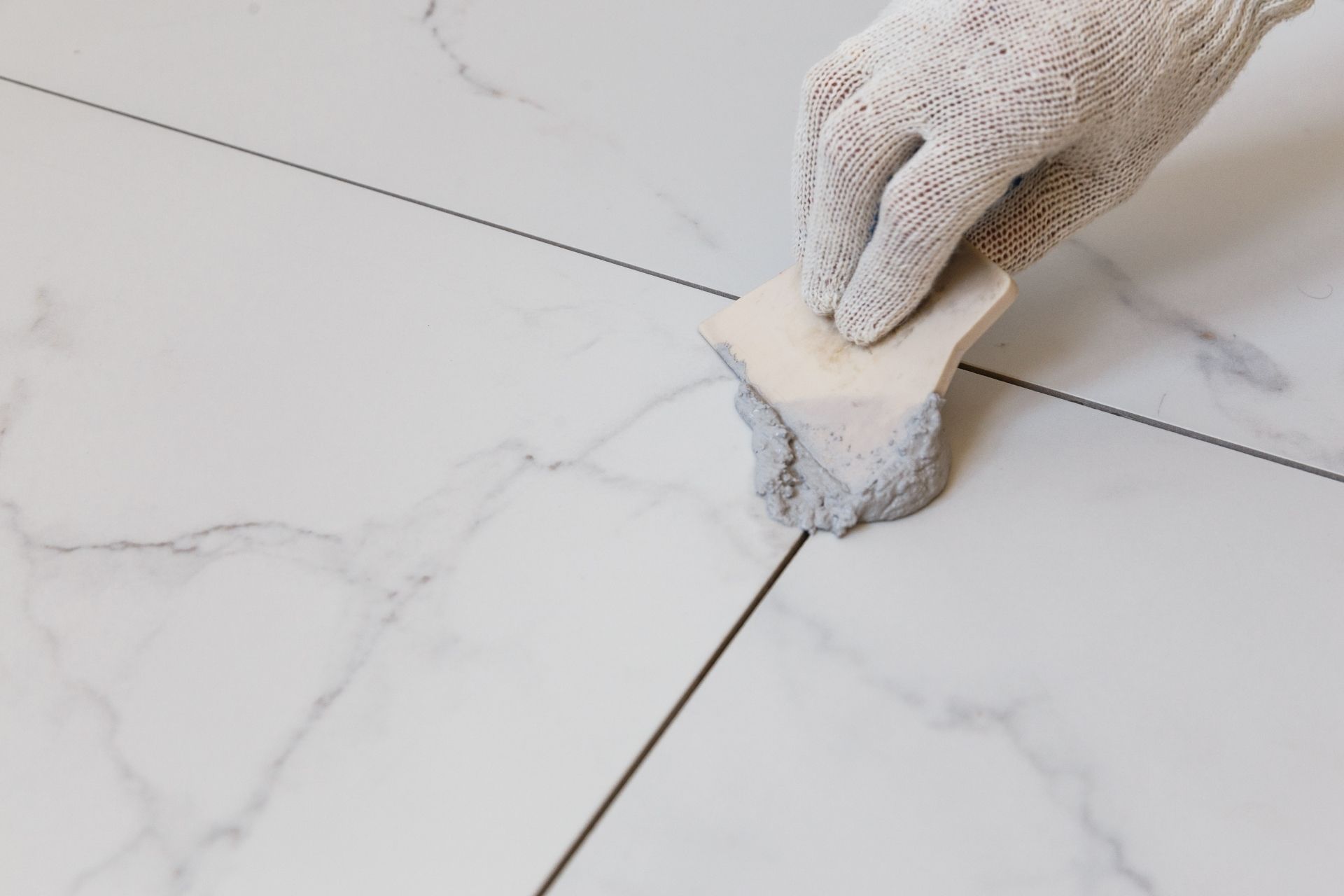
Gloved hand putting grout on white marble floor
By Jeff Hendricks • October 27, 2026
Bathroom grout can crack, stain, and wear over time. Learn what homeowners should know before regrouting bathroom tiles and dealing with damaged grout.
By Jeff Hendricks • October 18, 2026
Squeaky doors and floors can be annoying, especially when you hear them every time someone walks through a room or opens a door. The good news is that many squeaks are easy to fix with a few simple tools and a little time. Taking care of these small problems can also help keep your home comfortable and well-maintained.
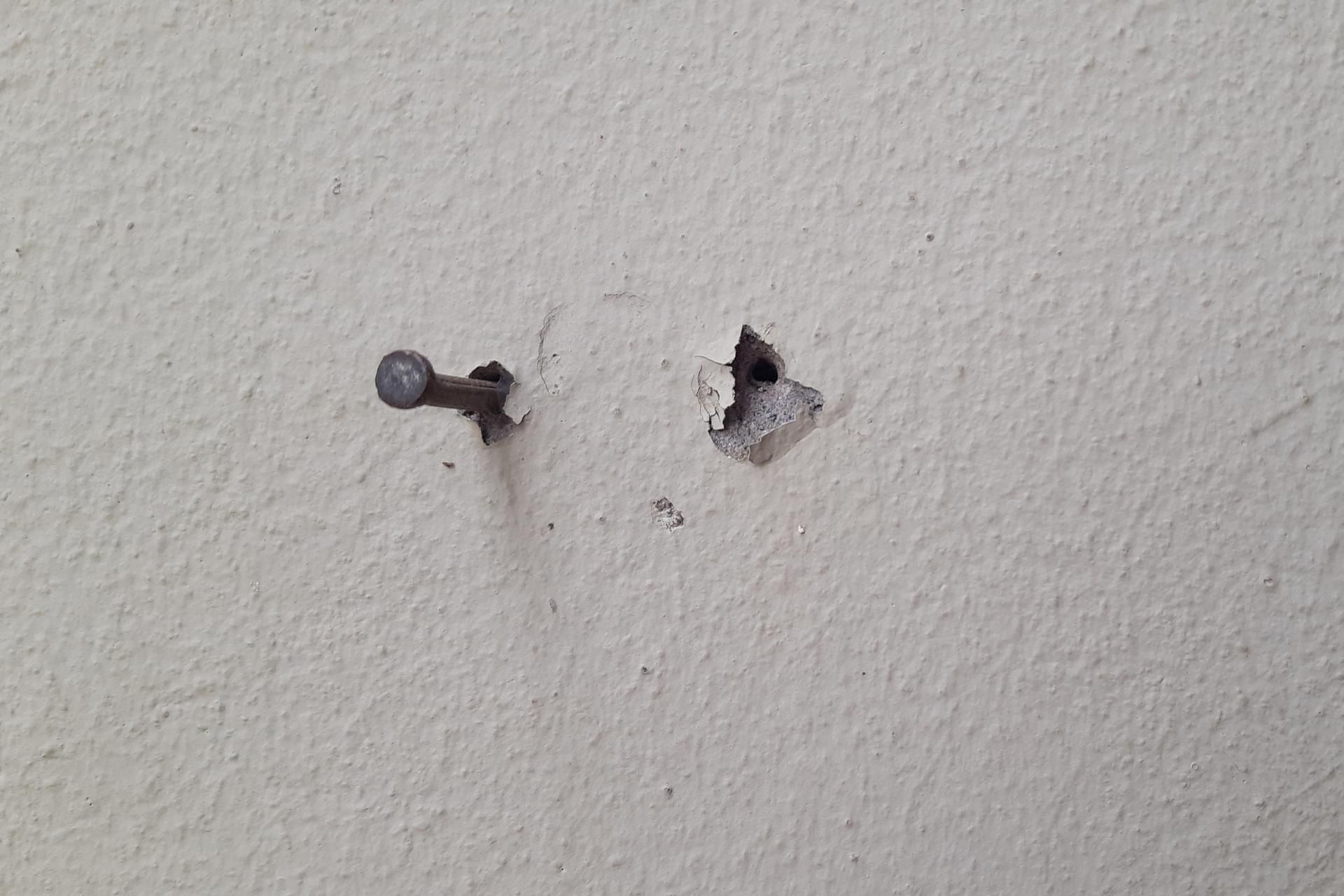
Two wall anchors and a screw in a white textured wall, with one anchor hole damaged
By Jeff Hendricks • October 8, 2026
Find out how to touch up paint and fill nail holes like a pro. These easy home repair tips can help restore your walls and create a clean, finished appearance.
By Jeff Hendricks • September 27, 2026
Your energy bill is something you probably see every month, but it can sometimes be confusing. Understanding what you are paying for can help you manage your energy use and find ways to lower your monthly costs.
Man installing a ceiling fan with a screwdriver in a living room
By Jeff Hendricks • August 25, 2026
Simple ceiling fan maintenance tips to help you remove dust, check loose parts, balance the blades, and keep your fan working properly.
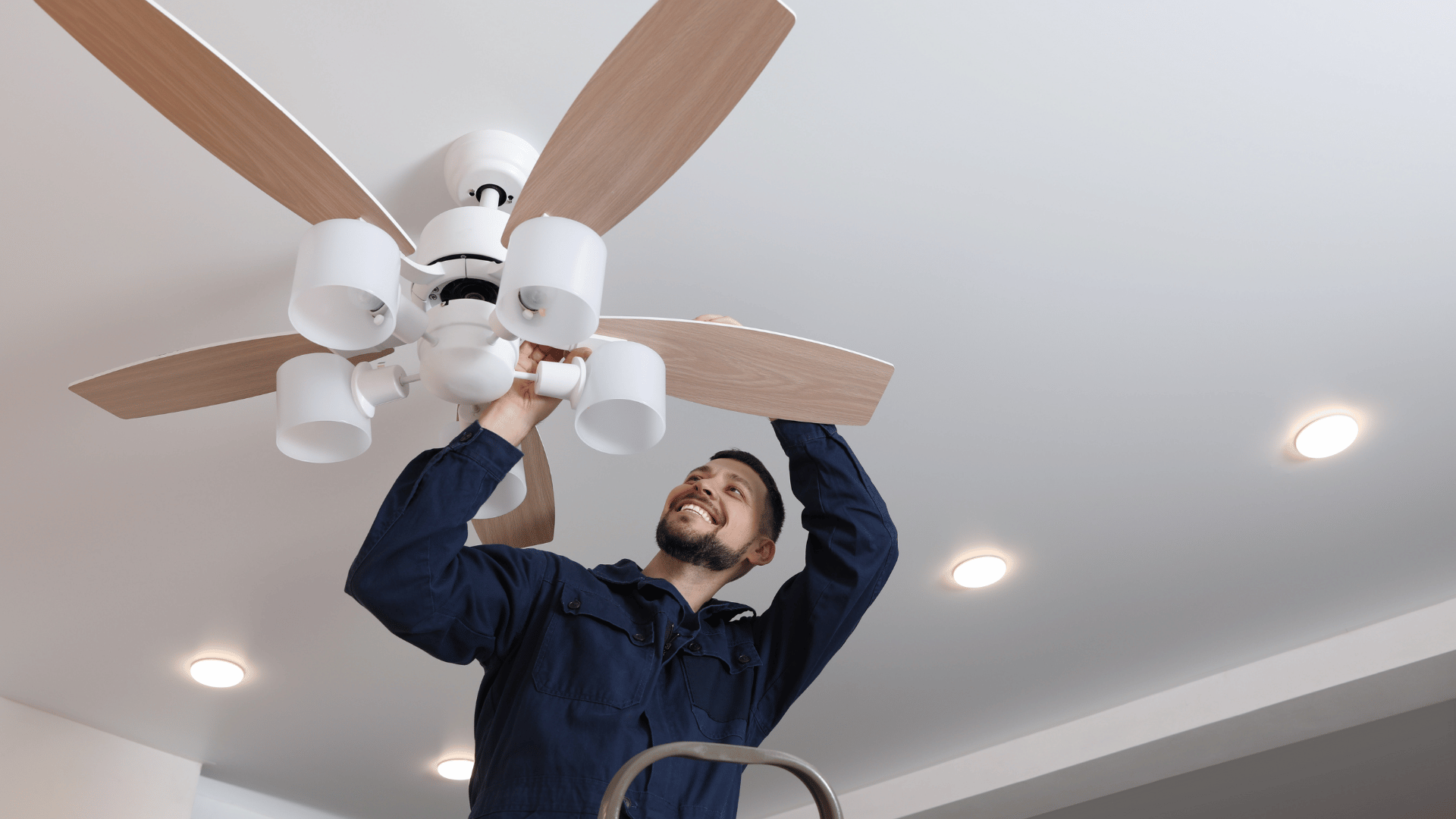
Man installing a white ceiling fan with wood blades on a ceiling indoors.
By Jeff Hendricks • August 19, 2026
Learn to save energy at home with ceiling fan tips. Adjust settings for comfort & efficiency. Contact us for expert real estate advice!
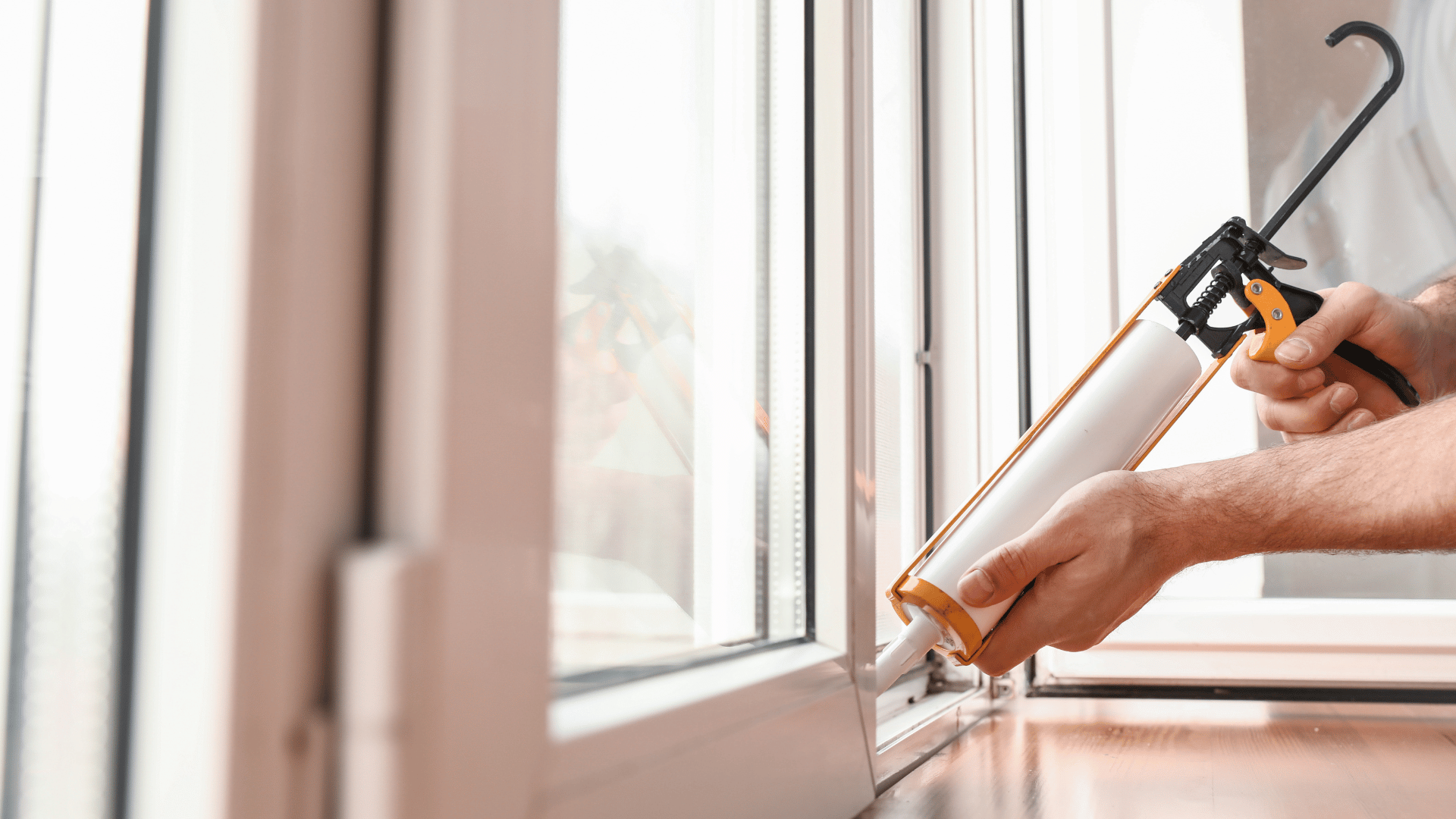
Caulking a white window frame with a sealant gun near a bright window
By Jeff Hendricks • August 11, 2026
Learn how to block drafts in old homes with simple, affordable tips. Seal air leaks, improve comfort, lower energy bills, and keep your home warm in winter and cool in summer.
Hand pressing a blue button on a wall-mounted video intercom panel
By Jeff Hendricks • August 4, 2026
Discover practical tips for reducing heating and cooling costs. Learn simple ways to improve energy efficiency, lower utility bills, and keep your home comfortable all year long.
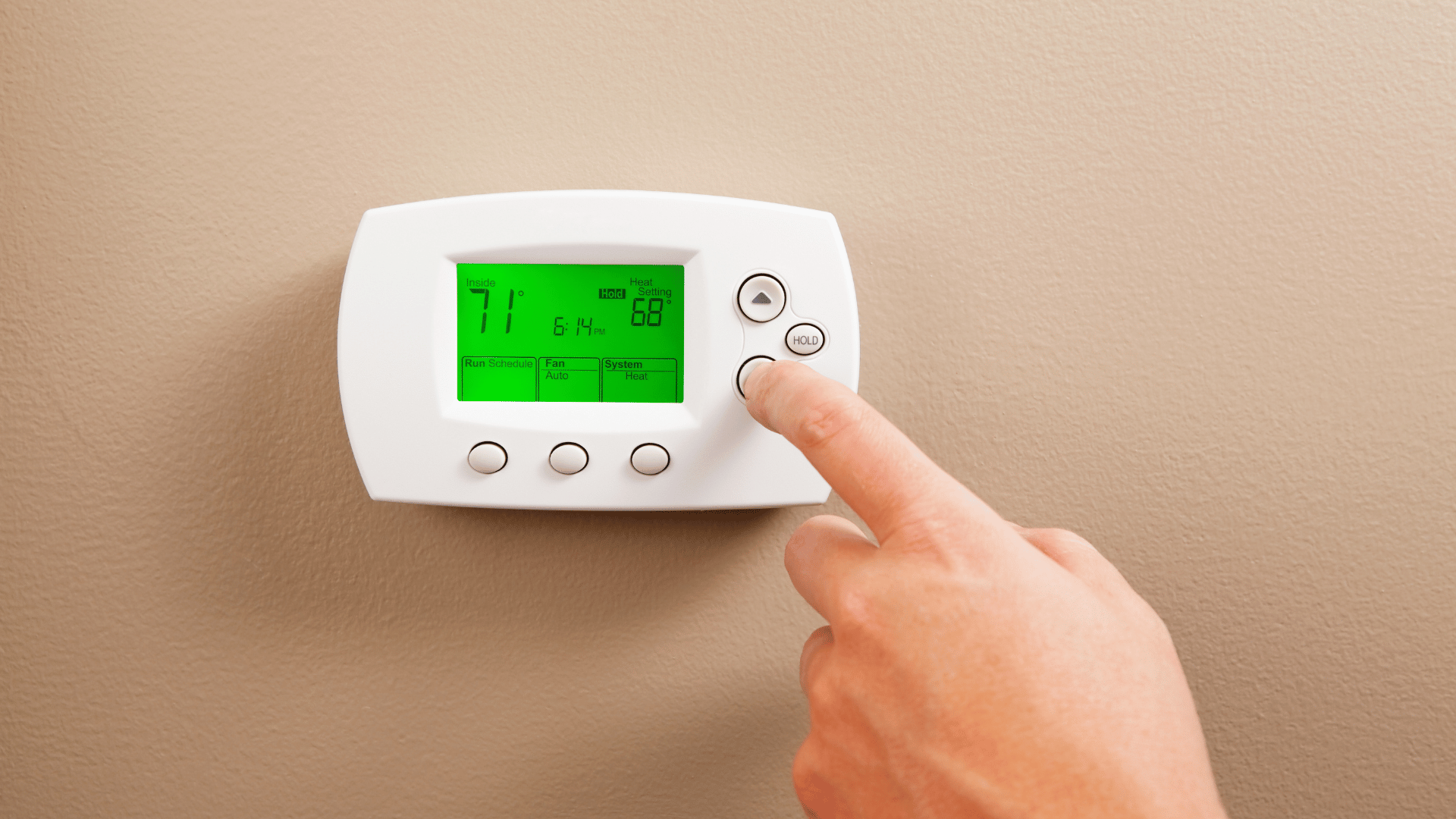
Hand pressing buttons on a white wall thermostat with a green digital display
By Jeff Hendricks • July 26, 2026
Discover how to install a programmable thermostat safely and correctly. Follow this easy guide to improve energy efficiency and reduce heating and cooling costs.
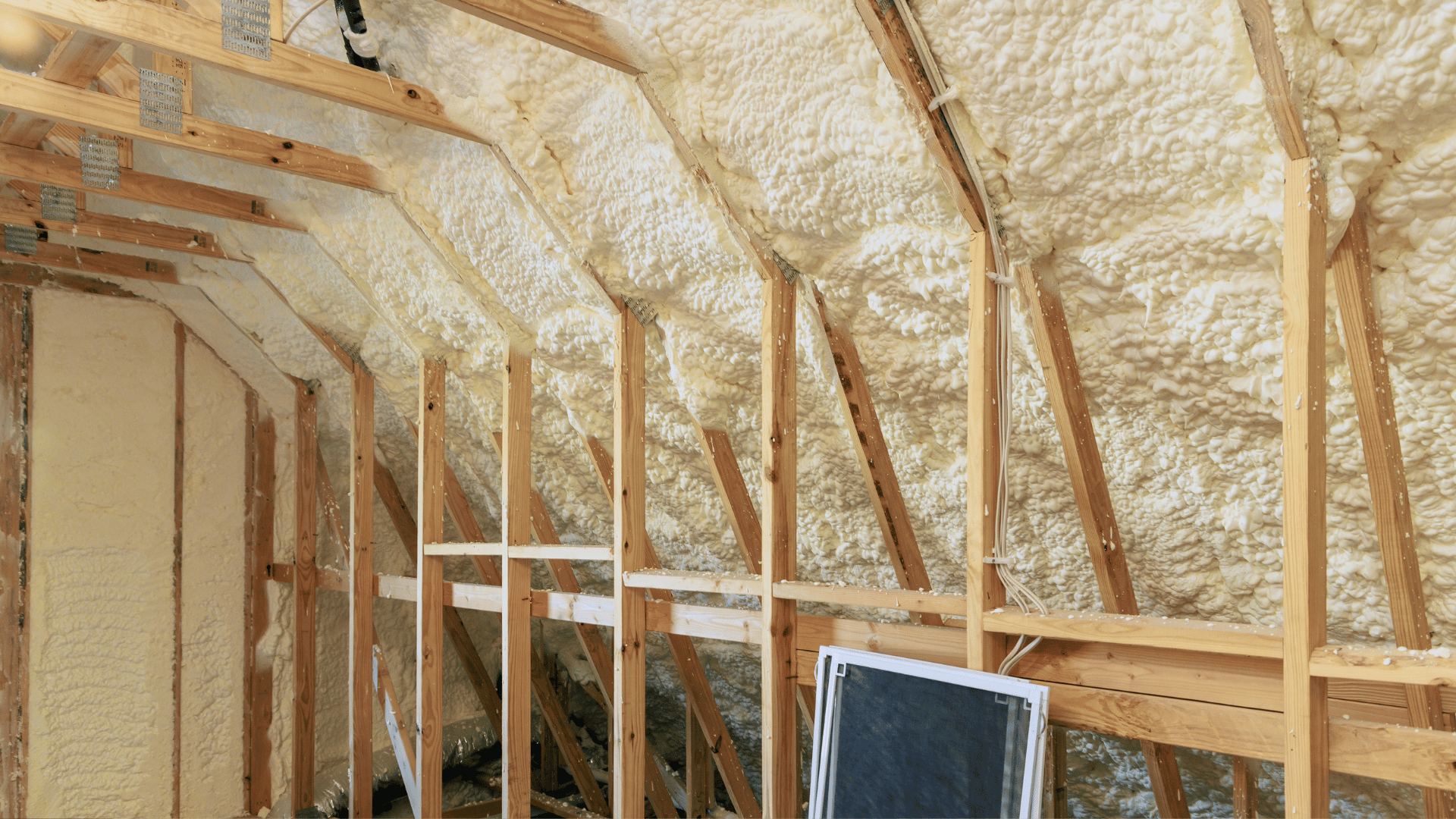
Insulated attic framing with exposed wooden studs and spray foam along the roof and walls
By Jeff Hendricks • July 20, 2026
Discover the benefits of adding attic insulation. Save energy, lower utility bills, improve home comfort, and increase your home's value year-round.