

Detecting and Fixing Running Toilets | Before Your Water Bill Runs Wild
Jeff Hendricks • November 8, 2025
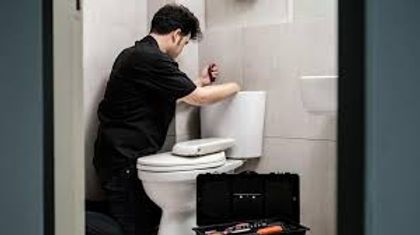
Person in black clothing leaning over a toilet in a bathroom, reaching toward the tank.

A toilet that won’t stop running might seem like an easily ignored background noise, the sort of thing you notice briefly before leaving the room. But don’t be fooled. That persistent trickle? It can silently drain hundreds of gallons of water every single day. Left untouched, what starts as a minor annoyance can become a ridiculously expensive surprise on your utility bill. The good news: most running toilets aren’t plumbing catastrophes. They’re simple issues you can diagnose — and fix — with just a bit of curiosity and a few minutes of effort.

Why Toilets Keep Running: The Usual Suspects

Inside every toilet tank is a little ecosystem of parts working together to control the flow of water. When even one component stops doing its job correctly, the tank behaves like it’s constantly refilling for the next flush.

Here are the top troublemakers:

1. A Flapper That’s Past Its Prime

The flapper acts like a bouncer for the tank — letting water rush out when you flush, then sealing things shut afterward. But rubber doesn’t stay young forever. It can warp, crack, or collect grime, leaving just enough gap for water to sneak into the bowl, causing the fill valve to kick in again... and again.

2. Water Level That’s Too High

If the water line rises above its safe mark, it spills directly into the overflow tube, signaling the tank that it still needs more. The result? A never-ending loop of refill chaos.

3. A Compromised Flush Valve or Overflow Tube

Wear and tear — or tiny cracks — can let water escape where it shouldn’t, turning the toilet into a constant water waster.

4. A Fill Valve That Doesn’t Know When to Quit

If this valve, responsible for shutting off the water, fails or sticks, the supply keeps flowing like it owns the place.

Hidden Leaks: How to Catch a Silent Runner

Some toilets aren’t dramatic. They don’t hiss, bubble, or gurgle — they just leak quietly, pretending everything is normal.


You can expose their lies by:


Listening closely: That faint trickling noise when no one’s flushed? Suspicious.

Using the food-coloring trick: Drop dye in the tank. If your bowl starts looking like a science experiment without flushing, water is leaking through.

Inspecting the overflow tube: Water constantly draining into it is a flashing red warning sign — the tank level is too high.

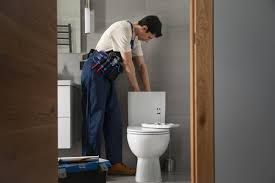
Plumber working in a bathroom beside a toilet, installing a sink with tools on his belt.

 Your Fix-It Guide: Stopping the Flow

1. Give the Flapper Some Attention

  • Turn off the water supply first.
  •  Lift out the flapper: is it slimy, warped, or cracked?
  •  Clean or replace it — they’re cheap and wildly easy to install.


2. Adjust the Float Like a Pro

  • Peek inside the tank. Water should sit about an inch below the overflow tube’s top.
  • Raise or lower the float depending on your setup (ballcock arm or sliding float cup).


3. Replace the Fill Valve if Needed

  •  If the valve won’t behave even after adjustments — swap it out.
  •  Replacement kits are inexpensive and include straightforward instructions.


4. Inspect Every Part for Wear

  • Look closely at the flush valve and overflow tube.
  • If anything looks cracked or brittle, replacement is the long-term fix.

Hard water deposits, aging parts, and simple neglect can all sabotage your toilet’s internal mechanisms. Routine checks help prevent surprise leaks, while quick repairs keep both water and money from swirling down the drain. And remember — if any step feels like more than a DIY moment, calling a professional plumber is always the right move.


By tackling a running toilet early, you’re not just preserving the quiet peace of your bathroom… you’re saving gallons upon gallons of precious water and keeping your home operating efficiently.

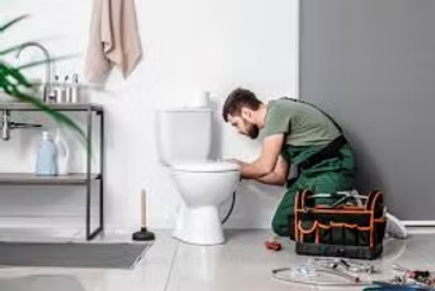
Plumber kneeling beside a toilet, using tools in a bathroom during repair work
Man installing a ceiling fan with a screwdriver in a living room
By Jeff Hendricks August 25, 2026
Simple ceiling fan maintenance tips to help you remove dust, check loose parts, balance the blades, and keep your fan working properly.
Man installing a white ceiling fan with wood blades on a ceiling indoors.
By Jeff Hendricks August 19, 2026
Learn to save energy at home with ceiling fan tips. Adjust settings for comfort & efficiency. Contact us for expert real estate advice!
Caulking a white window frame with a sealant gun near a bright window
By Jeff Hendricks August 11, 2026
Learn how to block drafts in old homes with simple, affordable tips. Seal air leaks, improve comfort, lower energy bills, and keep your home warm in winter and cool in summer.
Hand pressing a blue button on a wall-mounted video intercom panel
By Jeff Hendricks August 4, 2026
Discover practical tips for reducing heating and cooling costs. Learn simple ways to improve energy efficiency, lower utility bills, and keep your home comfortable all year long.
Hand pressing buttons on a white wall thermostat with a green digital display
By Jeff Hendricks July 26, 2026
Discover how to install a programmable thermostat safely and correctly. Follow this easy guide to improve energy efficiency and reduce heating and cooling costs.
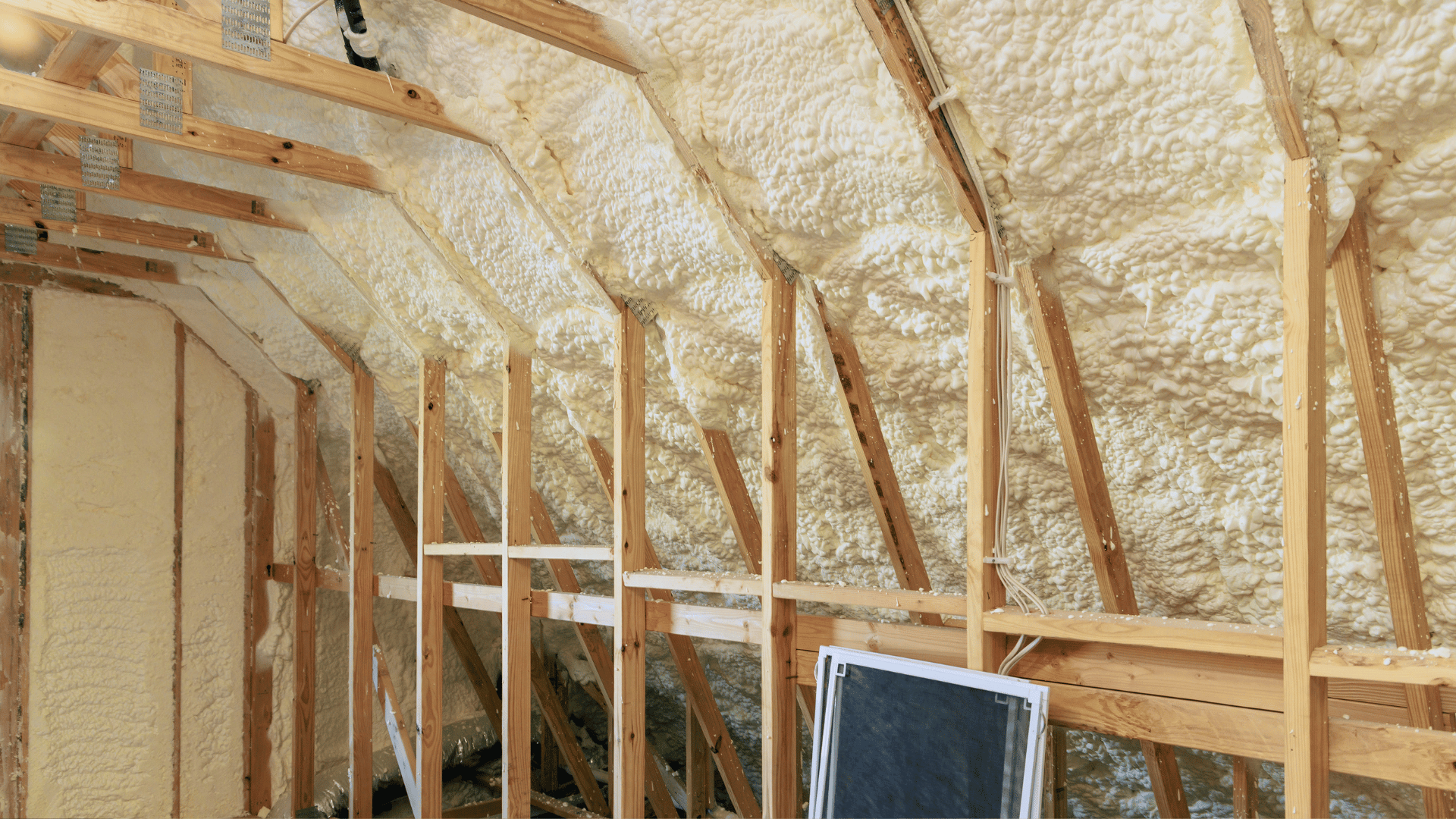
Insulated attic framing with exposed wooden studs and spray foam along the roof and walls
By Jeff Hendricks July 20, 2026
Discover the benefits of adding attic insulation. Save energy, lower utility bills, improve home comfort, and increase your home's value year-round.
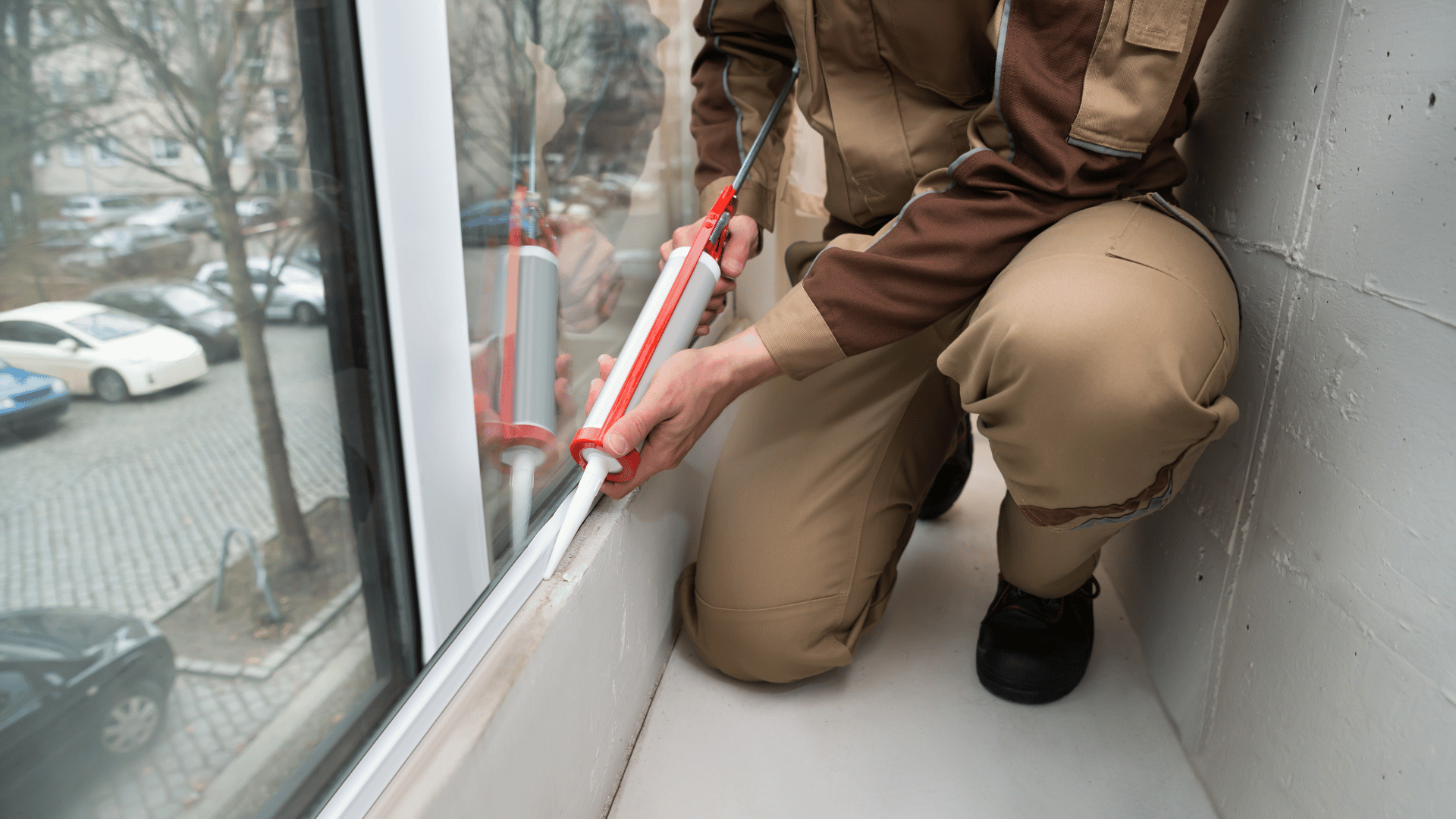
Person kneeling by a window, applying red caulk to the sill inside a room.
By Jeff Hendricks July 15, 2026
How to seal entry points to prevent pests by finding and closing cracks, gaps, and holes around your home. Learn simple, effective tips to keep insects and rodents outside and protect your home year-round.
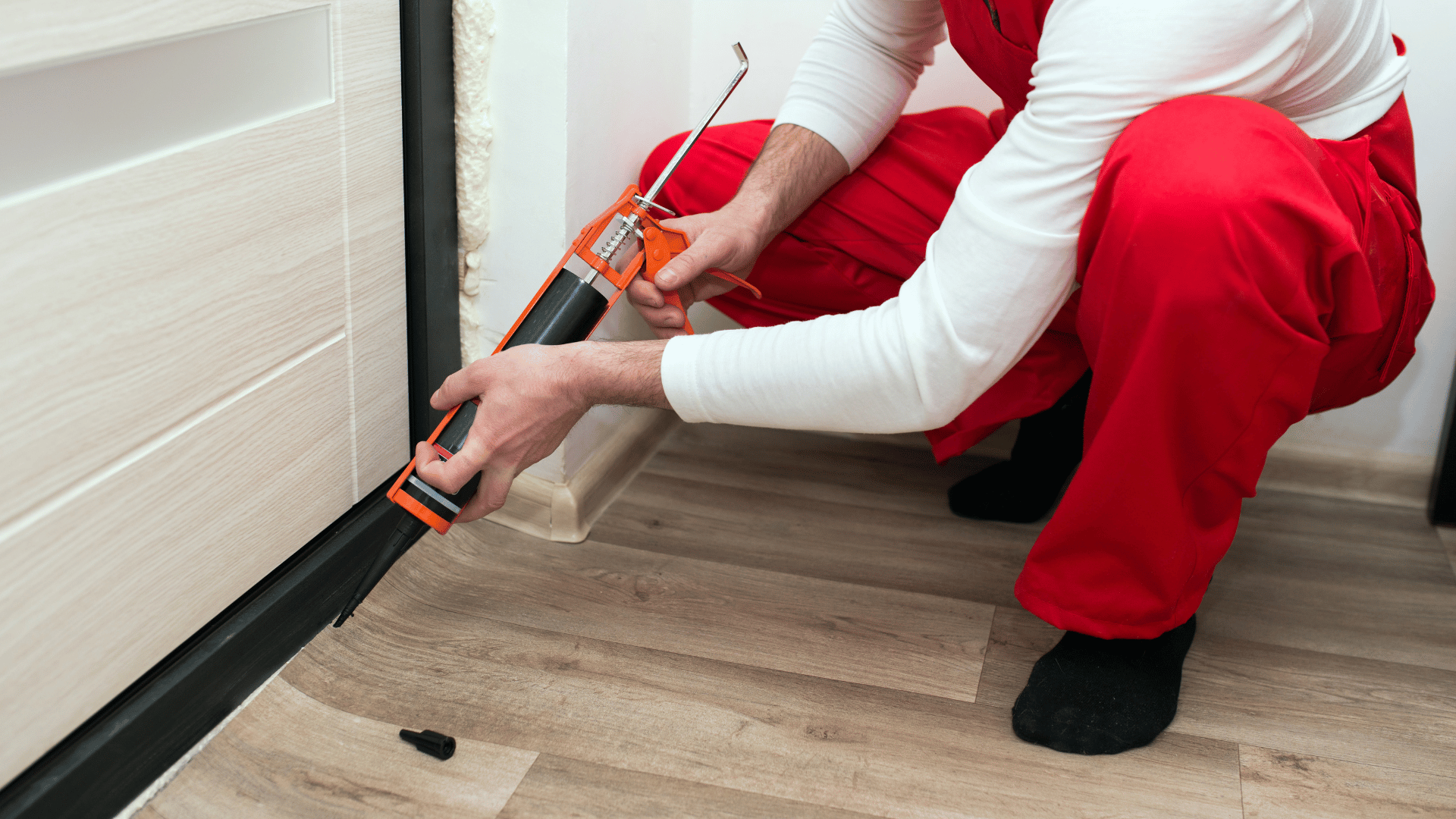
Person in red pants and white shirt applying sealant along a floor baseboard with a caulking gun
By Jeff Hendricks July 12, 2026
Learn how to weatherstrip doors and windows to stop drafts, improve energy efficiency, lower utility bills, and keep your home more comfortable all year long.
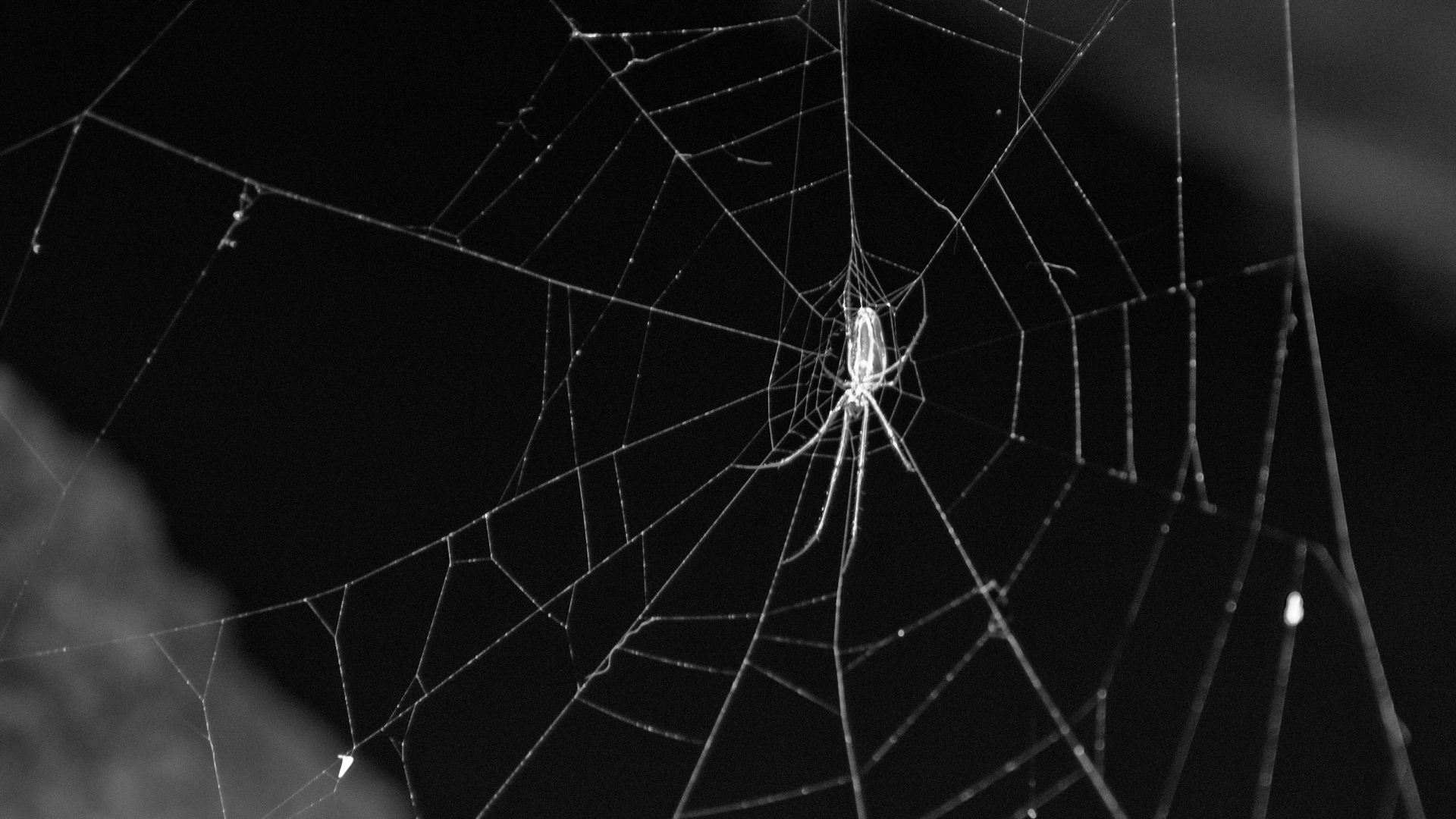
Spider on a web against a dark background
By Jeff Hendricks July 1, 2026
How to control spiders in basements and garages with simple and effective tips. Learn how cleaning, sealing entry points, and reducing clutter can help keep your basement and garage spider-free.
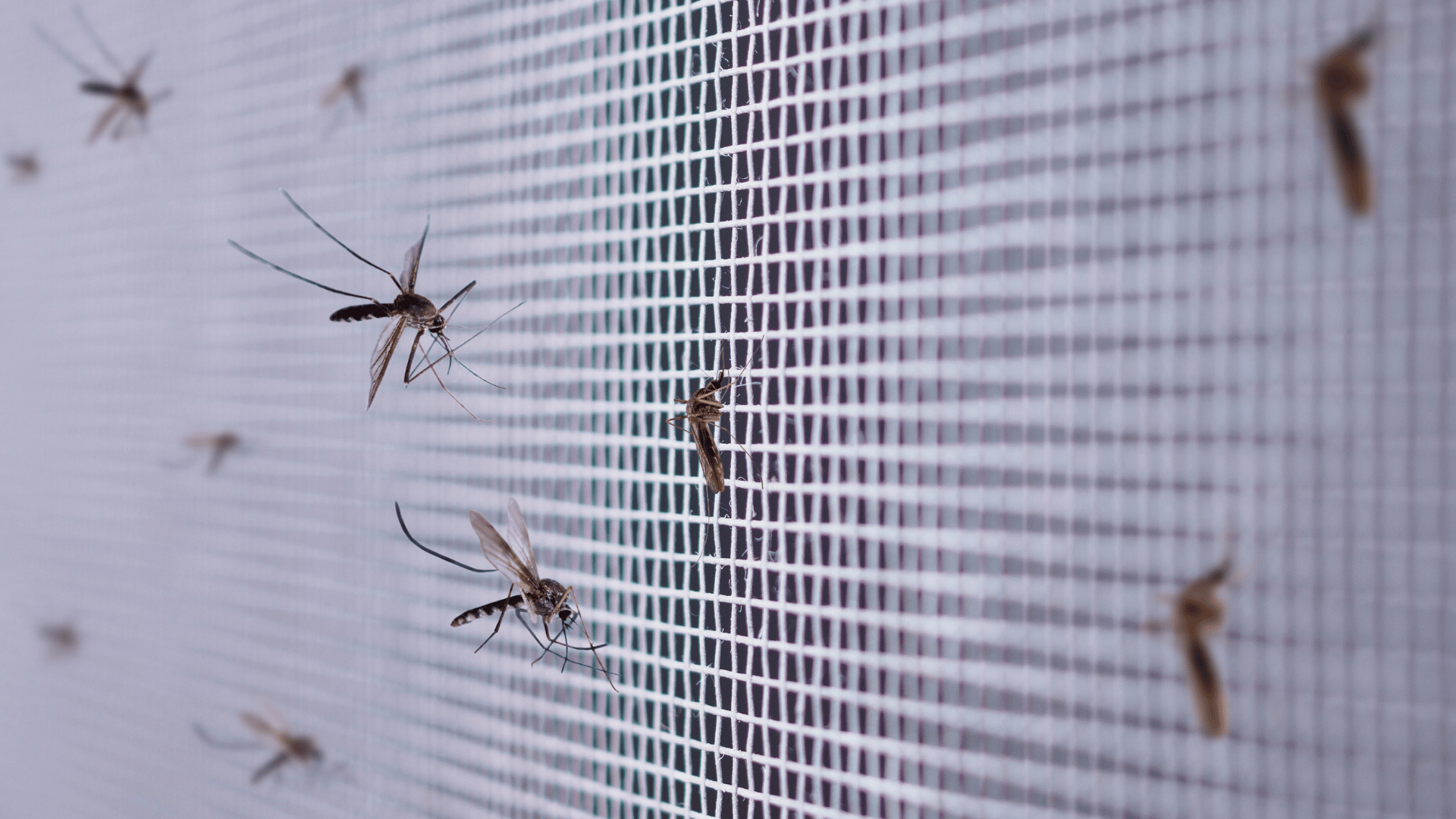
Mosquitoes resting on a white window screen, seen in close-up.
By Jeff Hendricks June 24, 2026
Dealing with Mosquitoes in Your Yard starts with removing standing water and maintaining your landscape. Learn simple, effective ways to reduce mosquitoes and enjoy a safer, more comfortable outdoor space.