


How to Install or Replace Smoke Alarms | Modern Home Protection Guide
Jeff Hendricks • February 21, 2026

Smoke alarms are one of the most important safety devices in any home. They protect your family from fire by giving early warning. Learning how to install or replace smoke alarms is simple and can save lives. This modern home protection guide will help you understand the process step by step.

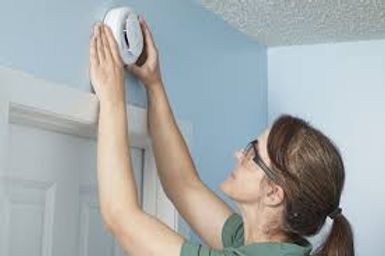
Woman reaching up to adjust a white smoke detector on a wall near the ceiling

Why Smoke Alarms Are Important

According to the National Fire Protection Association (NFPA), working smoke alarms reduce the risk of dying in a home fire by more than half. Fires can spread quickly, especially at night when people are sleeping. A properly installed smoke alarm gives you time to escape safely.

For modern home safety, every house should have:

  • A smoke alarm in each bedroom
  • A smoke alarm outside sleeping areas
  • At least one alarm on every level of the home


Types of Smoke Alarms

Before installation, choose the right type:

  1. Battery-powered smoke alarms: Easy to install and ideal for quick replacement.
  2. Hardwired smoke alarms: Connected to your home’s electrical system. They often include a backup battery.
  3. Smart smoke alarms: Connect to Wi-Fi and send alerts to your phone.


Choose a model that fits your home protection needs and local building codes.

Tools You May Need

  • Screwdriver
  • Drill (if mounting new unit)
  • Wall anchors
  • Step ladder
  • Replacement batteries
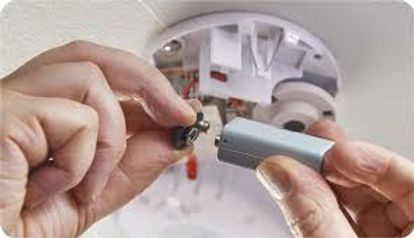
Hands installing a battery in a white smoke detector on the ceiling.

How to Install a New Smoke Alarm

Follow these simple steps:

  1. Turn off power (for hardwired units).
  2. Mark the ceiling or wall location. Install alarms at least 10 inches from the wall if placed on the ceiling.
  3. Drill holes and insert anchors if needed.
  4. Attach the mounting bracket securely.
  5. Connect wiring (for hardwired models). Match the wires carefully.
  6. Attach the smoke alarm unit to the bracket.
  7. Insert batteries and test the alarm.

Press the test button to make sure it works properly.

How to Replace a Smoke Alarm

Smoke alarms should be replaced every 10 years. Check the manufacturing date on the back of the device.

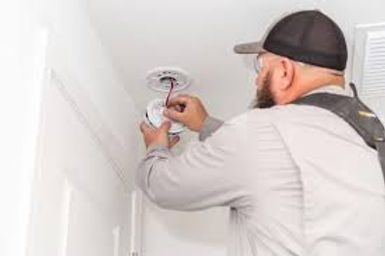
Technician installing a ceiling smoke detector in a white room

To replace:

  • Twist the old alarm off the bracket.
  • Disconnect wires (if hardwired).
  • Install the new mounting plate if needed.
  • Connect wires and attach the new unit.
  • Insert fresh batteries and test.


Always test the alarm after installation.

Maintenance Tips for Modern Home Protection

Test smoke alarms once a month.

Replace batteries every year.

Clean dust from the unit using a vacuum.

Replace the entire unit after 10 years.


Installing or replacing smoke alarms is a simple home improvement task that improves fire safety and modern home protection. With the right tools and steps, you can protect your home and family with confidence.

Man installing a ceiling fan with a screwdriver in a living room
By Jeff Hendricks August 25, 2026
Simple ceiling fan maintenance tips to help you remove dust, check loose parts, balance the blades, and keep your fan working properly.
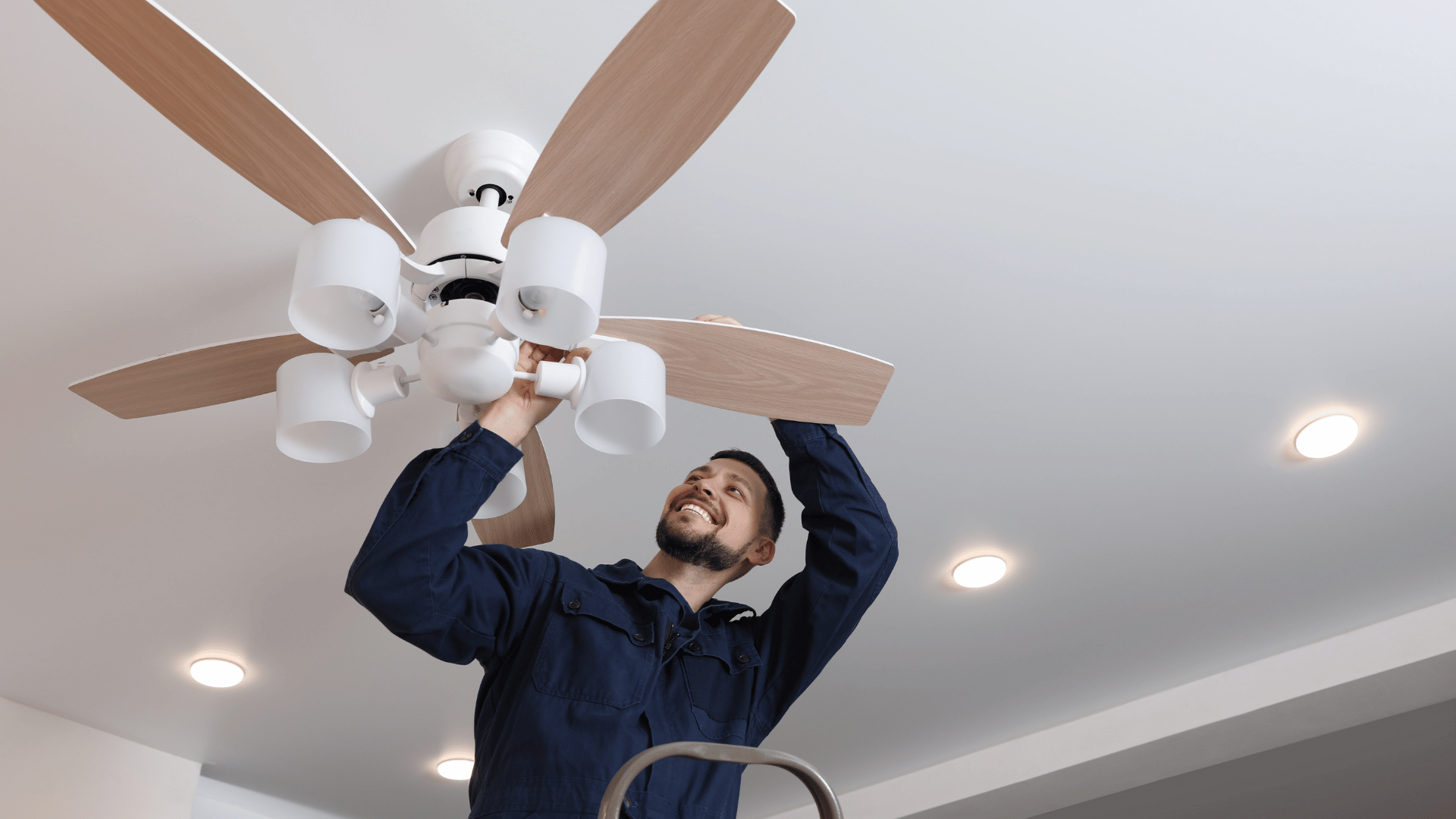
Man installing a white ceiling fan with wood blades on a ceiling indoors.
By Jeff Hendricks August 19, 2026
Learn to save energy at home with ceiling fan tips. Adjust settings for comfort & efficiency. Contact us for expert real estate advice!
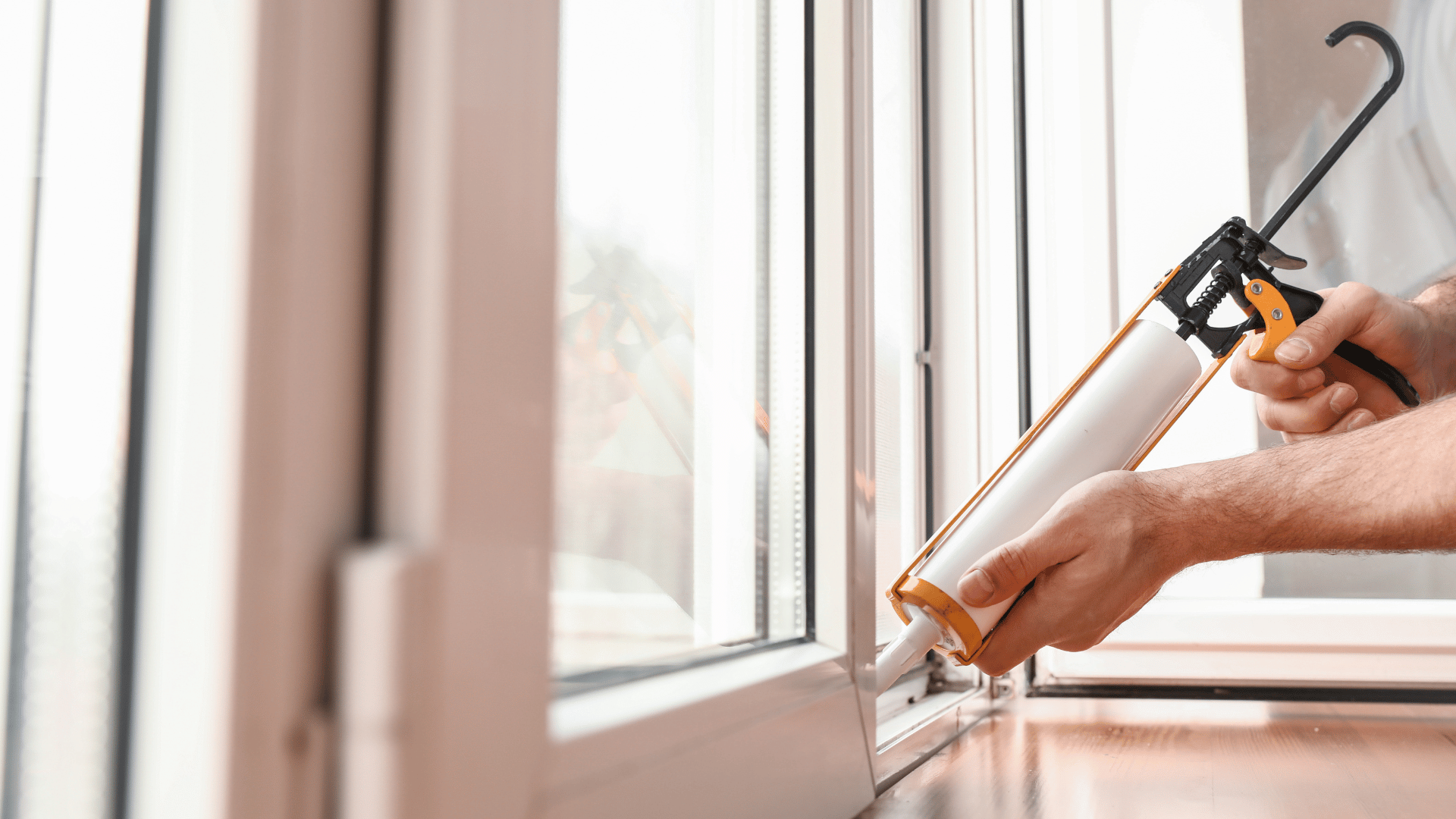
Caulking a white window frame with a sealant gun near a bright window
By Jeff Hendricks August 11, 2026
Learn how to block drafts in old homes with simple, affordable tips. Seal air leaks, improve comfort, lower energy bills, and keep your home warm in winter and cool in summer.
Hand pressing a blue button on a wall-mounted video intercom panel
By Jeff Hendricks August 4, 2026
Discover practical tips for reducing heating and cooling costs. Learn simple ways to improve energy efficiency, lower utility bills, and keep your home comfortable all year long.
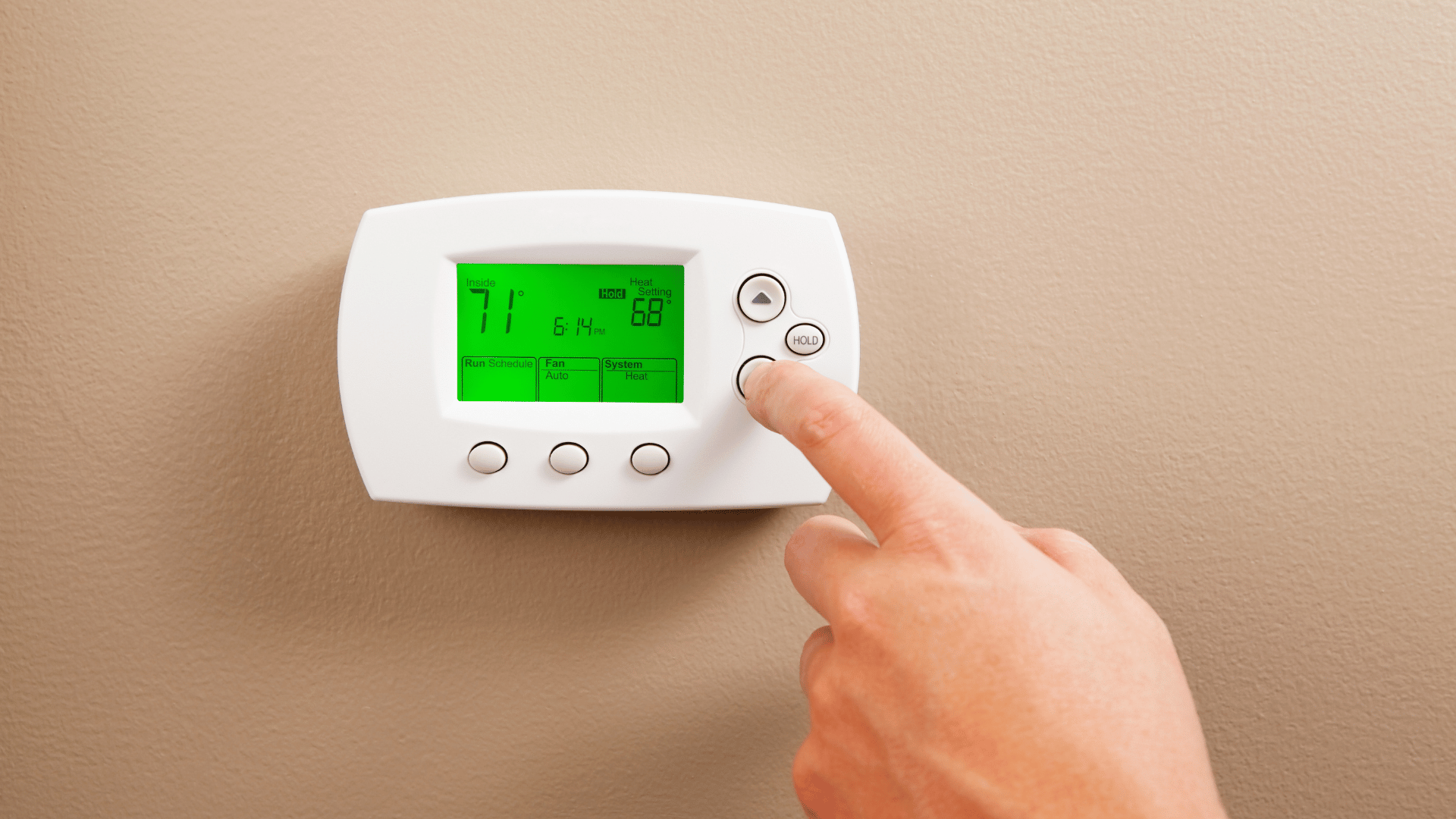
Hand pressing buttons on a white wall thermostat with a green digital display
By Jeff Hendricks July 26, 2026
Discover how to install a programmable thermostat safely and correctly. Follow this easy guide to improve energy efficiency and reduce heating and cooling costs.
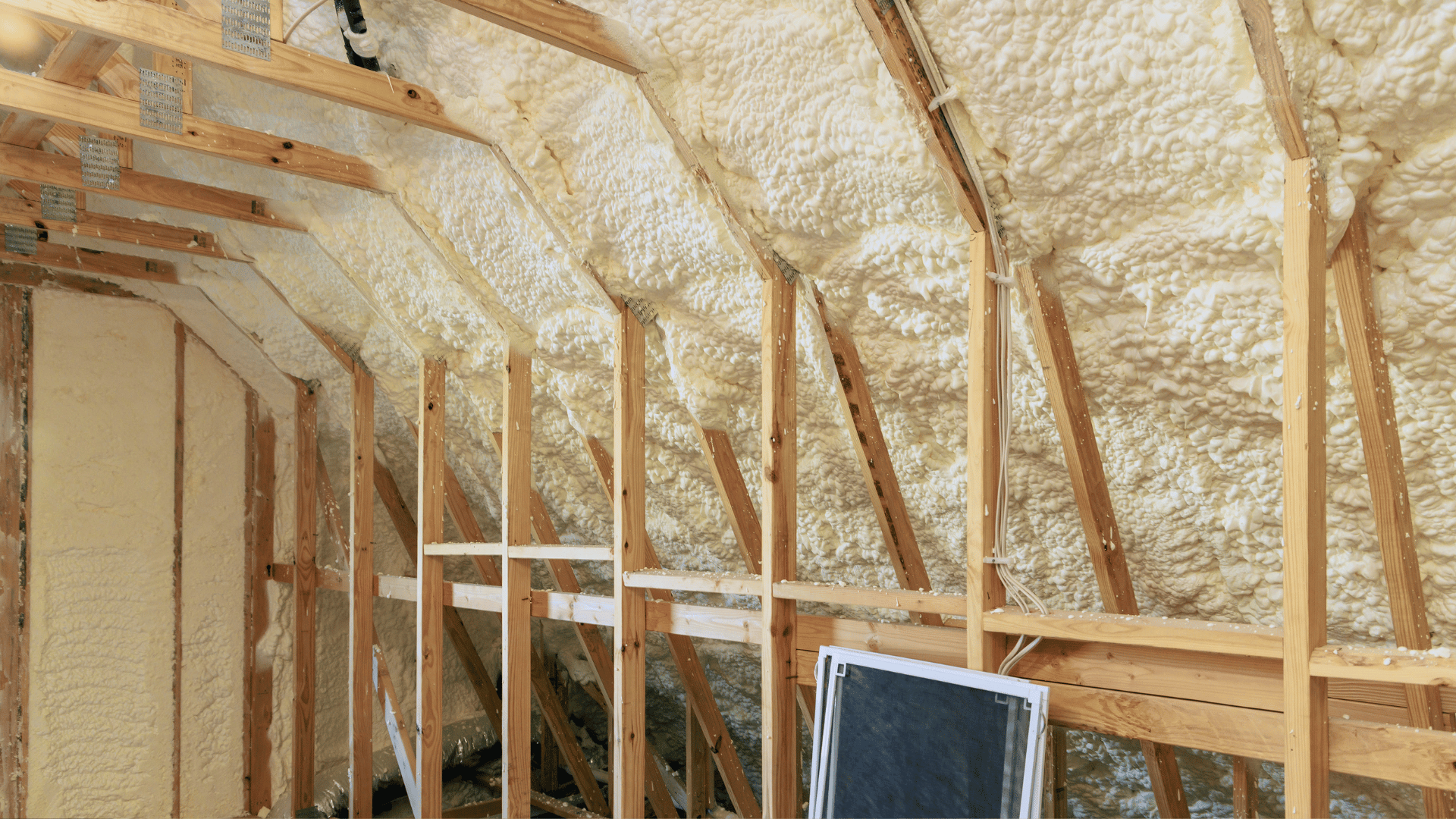
Insulated attic framing with exposed wooden studs and spray foam along the roof and walls
By Jeff Hendricks July 20, 2026
Discover the benefits of adding attic insulation. Save energy, lower utility bills, improve home comfort, and increase your home's value year-round.
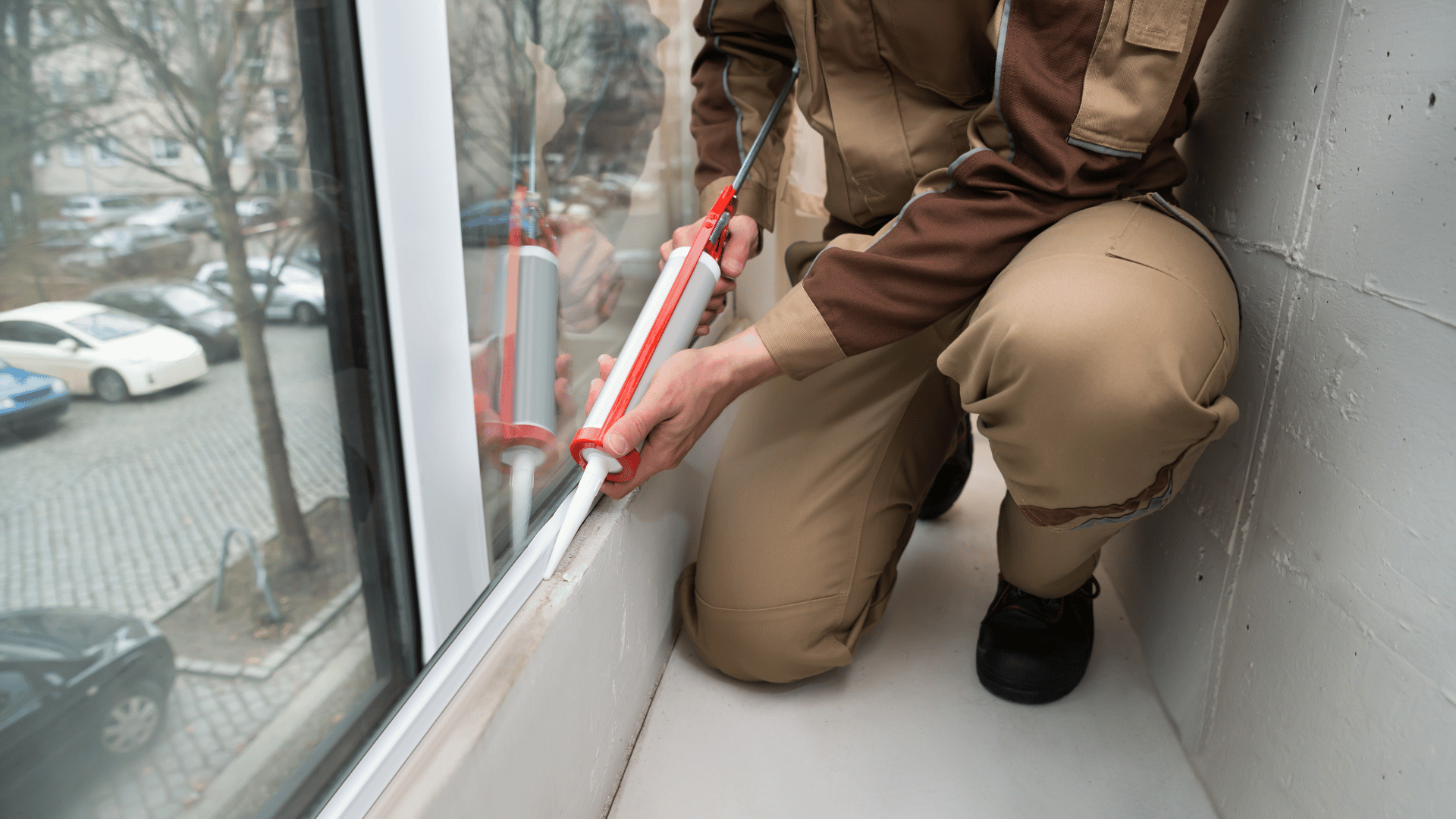
Person kneeling by a window, applying red caulk to the sill inside a room.
By Jeff Hendricks July 15, 2026
How to seal entry points to prevent pests by finding and closing cracks, gaps, and holes around your home. Learn simple, effective tips to keep insects and rodents outside and protect your home year-round.
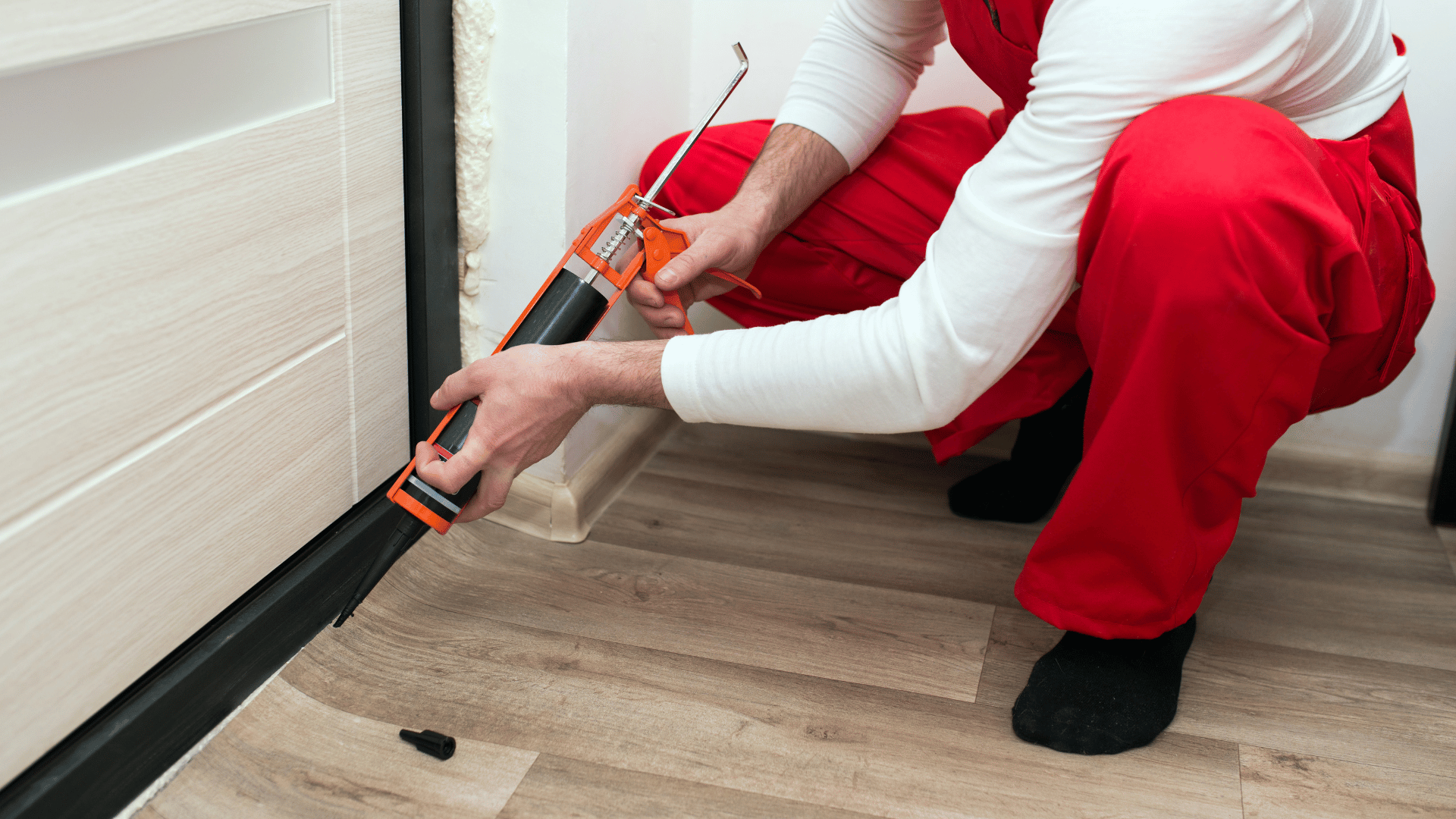
Person in red pants and white shirt applying sealant along a floor baseboard with a caulking gun
By Jeff Hendricks July 12, 2026
Learn how to weatherstrip doors and windows to stop drafts, improve energy efficiency, lower utility bills, and keep your home more comfortable all year long.
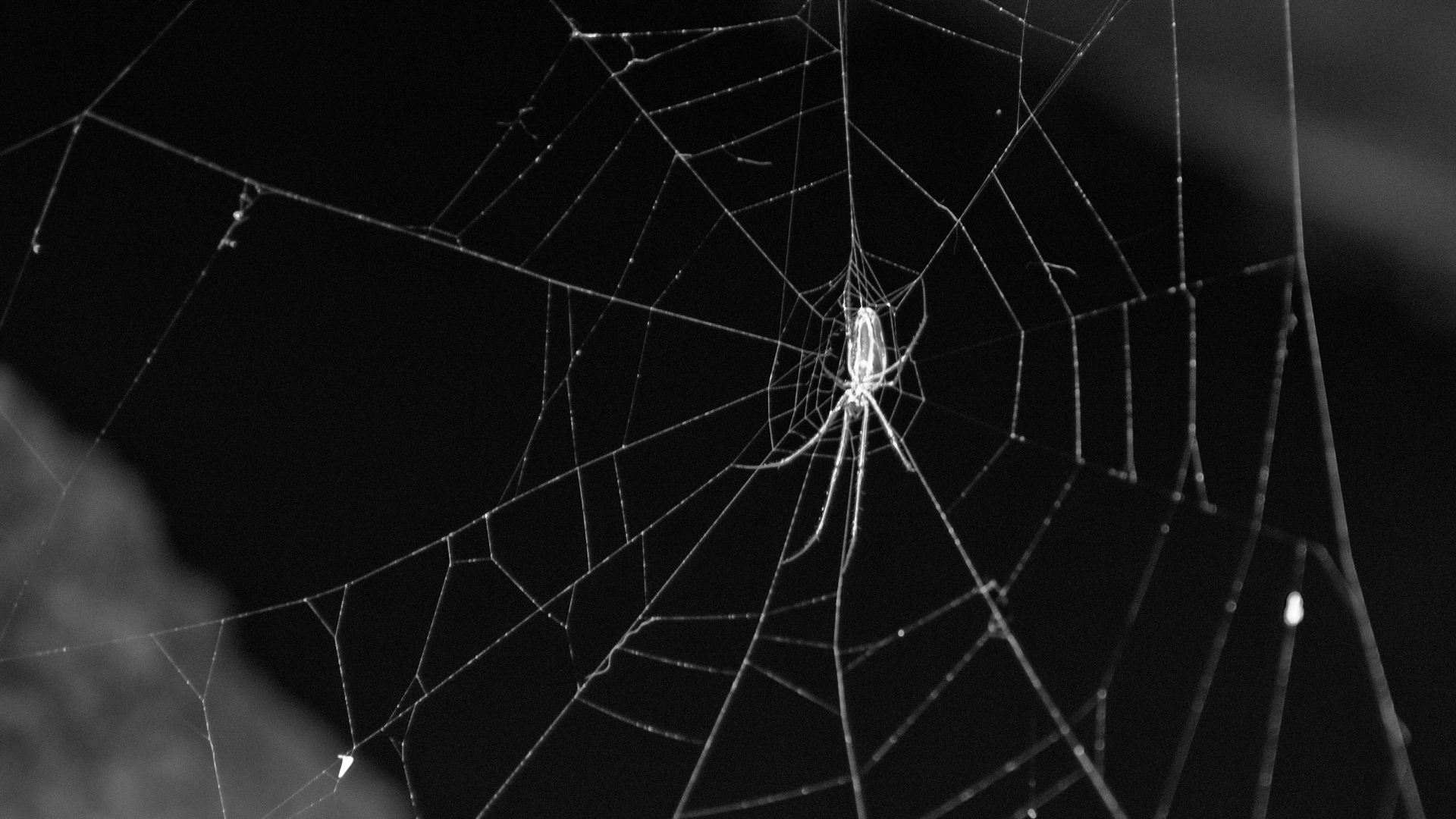
Spider on a web against a dark background
By Jeff Hendricks July 1, 2026
How to control spiders in basements and garages with simple and effective tips. Learn how cleaning, sealing entry points, and reducing clutter can help keep your basement and garage spider-free.
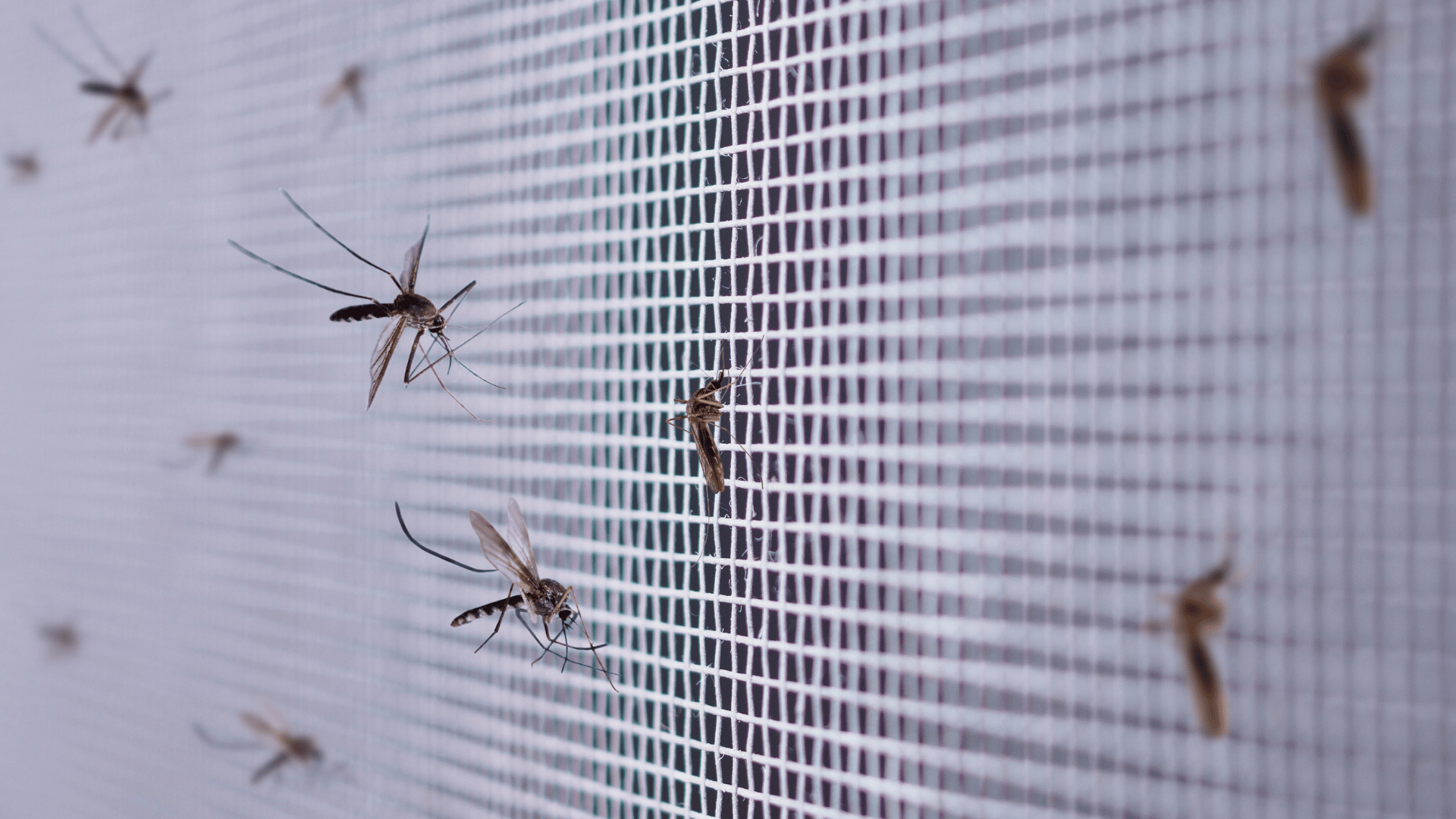
Mosquitoes resting on a white window screen, seen in close-up.
By Jeff Hendricks June 24, 2026
Dealing with Mosquitoes in Your Yard starts with removing standing water and maintaining your landscape. Learn simple, effective ways to reduce mosquitoes and enjoy a safer, more comfortable outdoor space.