


Fire extinguisher basics for homeowners | Home Safety Guide
Jeff Hendricks • February 28, 2026

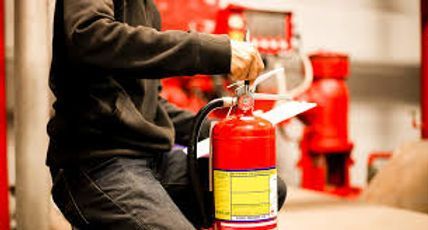
Fire safety is an essential part of responsible homeownership. Every year, residential fires cause significant property damage and life-threatening injuries. Understanding fire extinguisher basics for homeowners helps prevent small fires from turning into major disasters. This professional home safety guide explains how to choose, use, and maintain fire extinguishers for maximum protection.

Two hands disconnecting a red gas pump nozzle from a fuel tank

Why Fire Extinguishers Are Essential for Home Safety

A fire can spread within minutes, especially in kitchens, garages, or areas with electrical equipment. Common causes of house fires include cooking accidents, faulty wiring, heating systems, and flammable liquids. Keeping a properly rated fire extinguisher at home allows quick action before emergency responders arrive.


Installing fire extinguishers is one of the most effective steps in any home fire prevention plan.

Types of Fire Extinguishers for Residential Use

Different fires require different extinguishing agents. Homeowners should understand the main classifications:

  • Class A Fire Extinguishers – Suitable for wood, paper, cloth, and furniture fires.
  • Class B Fire Extinguishers – Designed for flammable liquids such as oil, gasoline, and grease.
  • Class C Fire Extinguishers– Used for electrical fires involving appliances or wiring systems.
  • Class ABC Fire Extinguishers – Multi-purpose extinguishers recommended for most homes.


A multi-purpose ABC fire extinguisher is the best choice for residential fire safety because it handles the most common household fire risks.

Best Locations to Install Fire Extinguishers at Home

Strategic placement improves emergency response time. Experts recommend installing extinguishers in:

  • The kitchen (away from direct cooking heat)
  • Garage or workshop areas
  • Near home exits and hallways
  • Every floor level of the house

Mount extinguishers on walls at an accessible height and ensure all family members know their locations.

Hands installing a battery in a white smoke detector on the ceiling.

How to Use a Fire Extinguisher (PASS Technique)

Homeowners should remember the PASS method:

  • Pull the safety pin
  • Aim at the base of the fire
  • Squeeze the handle
  • Sweep side to side


Always maintain a safe escape route while operating the extinguisher. If flames grow or smoke increases, evacuate immediately and contact emergency services.

Fire Extinguisher Maintenance and Inspection

Regular inspection ensures reliable performance:

  1. Check pressure gauges monthly
  2. Confirm safety seals remain intact
  3. Look for corrosion or damage
  4. Recharge or replace after use


Most residential extinguishers have a lifespan of 5–15 years.

Build a Safer Home Environment

Understanding fire extinguisher safety for homeowners is a critical step toward protecting lives and property. Combined with smoke alarms, fire escape planning, and regular safety checks, fire extinguishers provide strong first-line defense against household fires.


Prepared homeowners create safer homes through proactive fire prevention and proper emergency readiness.

Man installing a ceiling fan with a screwdriver in a living room
By Jeff Hendricks August 25, 2026
Simple ceiling fan maintenance tips to help you remove dust, check loose parts, balance the blades, and keep your fan working properly.
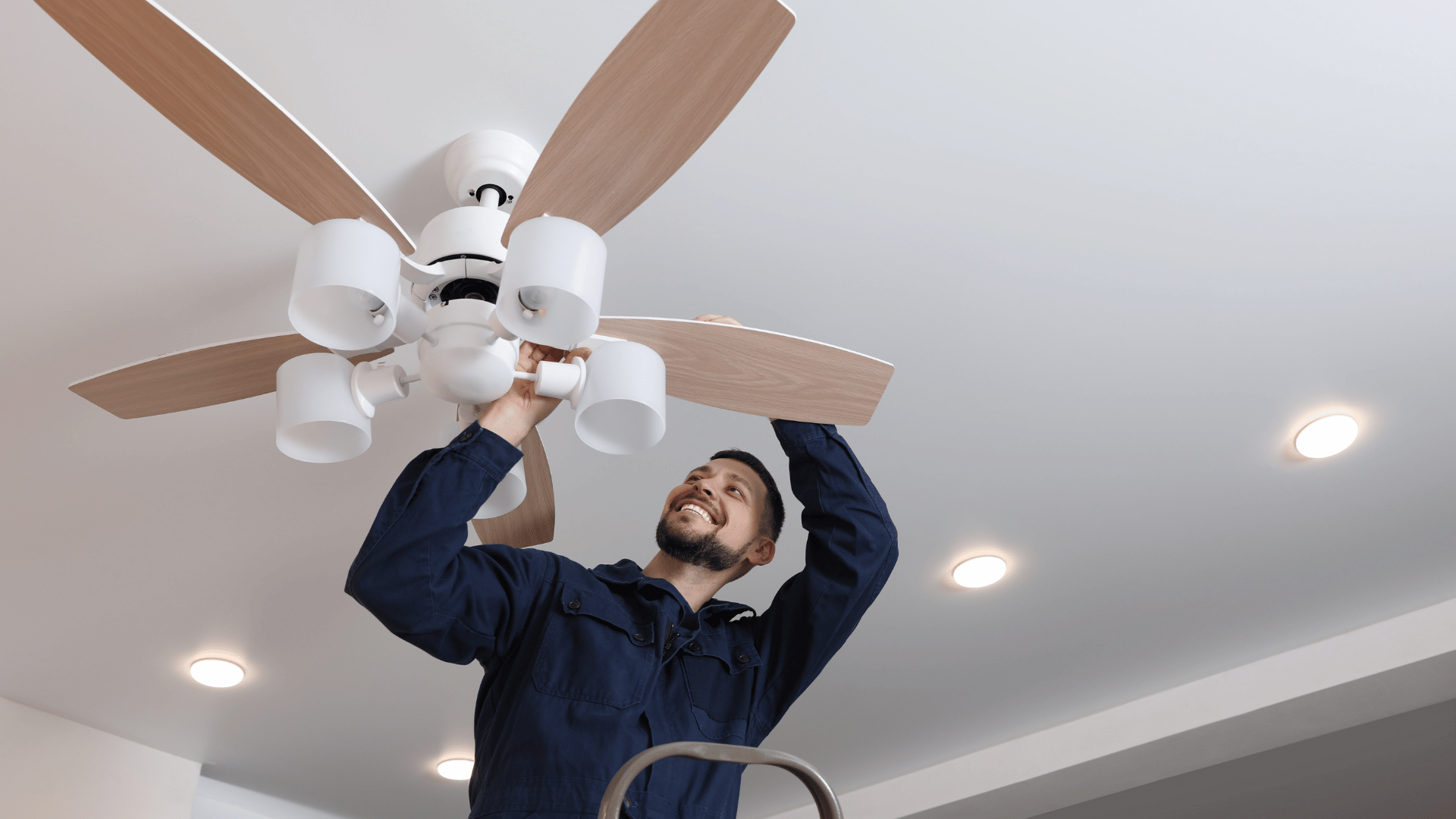
Man installing a white ceiling fan with wood blades on a ceiling indoors.
By Jeff Hendricks August 19, 2026
Learn to save energy at home with ceiling fan tips. Adjust settings for comfort & efficiency. Contact us for expert real estate advice!
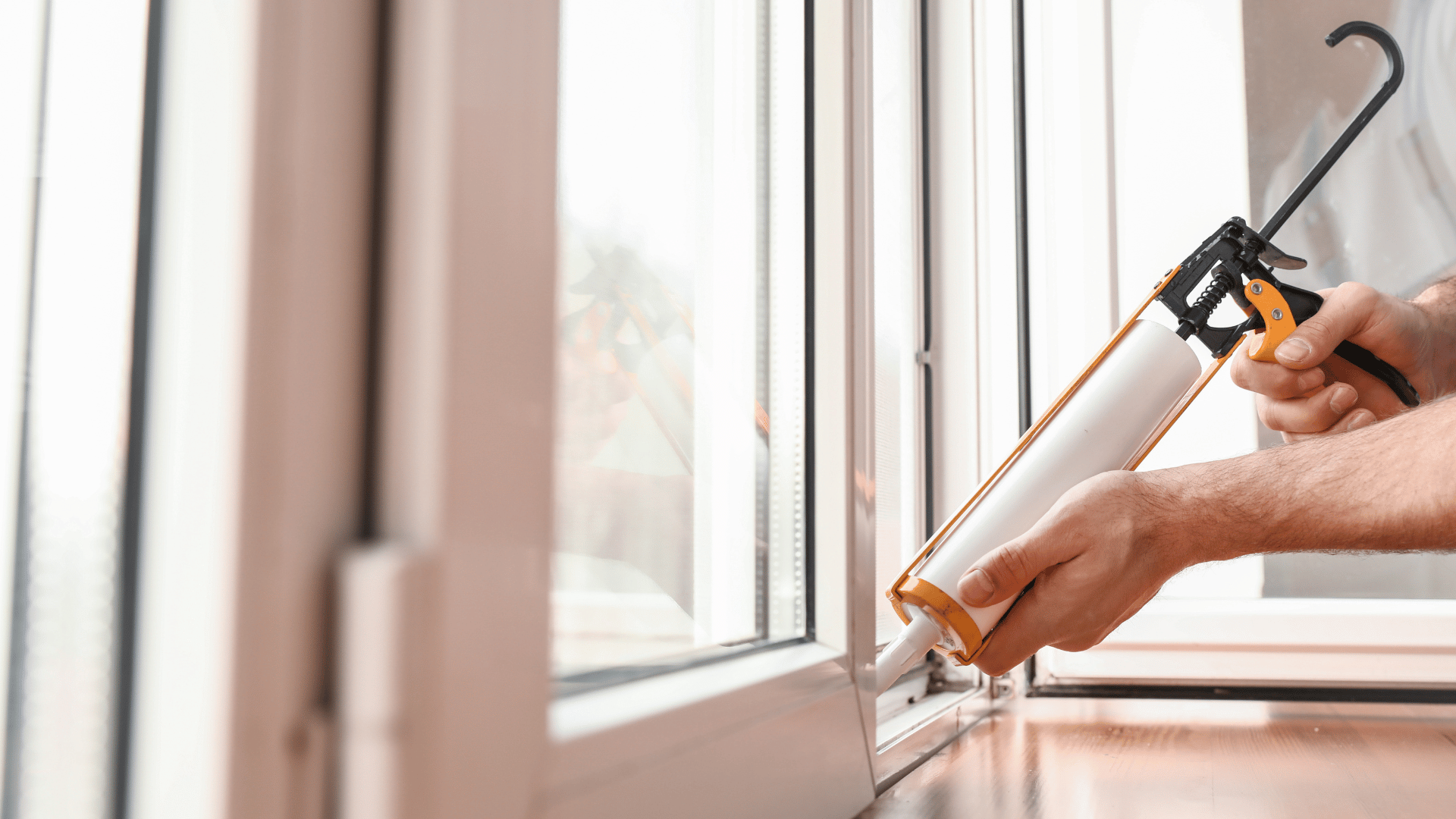
Caulking a white window frame with a sealant gun near a bright window
By Jeff Hendricks August 11, 2026
Learn how to block drafts in old homes with simple, affordable tips. Seal air leaks, improve comfort, lower energy bills, and keep your home warm in winter and cool in summer.
Hand pressing a blue button on a wall-mounted video intercom panel
By Jeff Hendricks August 4, 2026
Discover practical tips for reducing heating and cooling costs. Learn simple ways to improve energy efficiency, lower utility bills, and keep your home comfortable all year long.
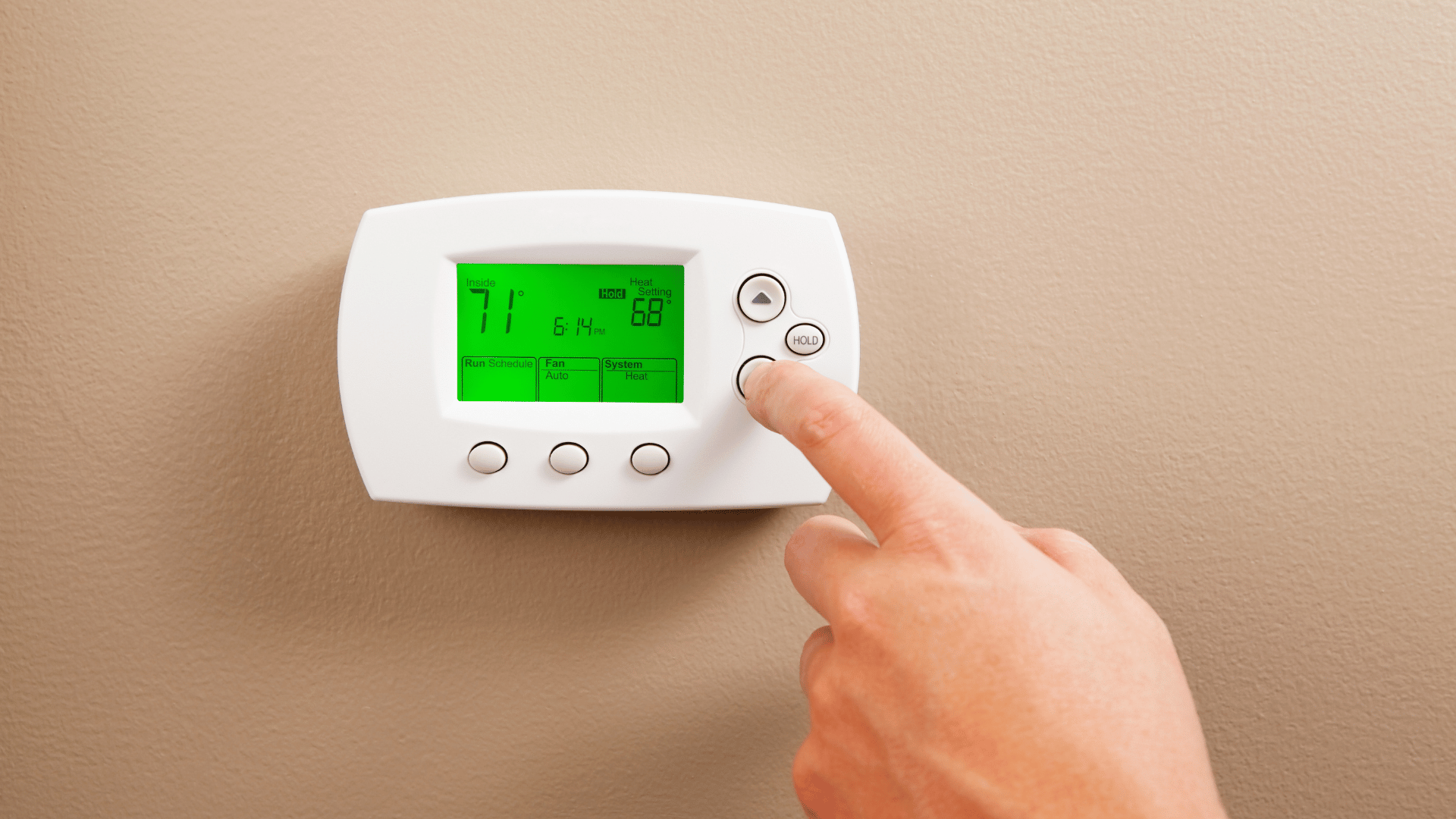
Hand pressing buttons on a white wall thermostat with a green digital display
By Jeff Hendricks July 26, 2026
Discover how to install a programmable thermostat safely and correctly. Follow this easy guide to improve energy efficiency and reduce heating and cooling costs.
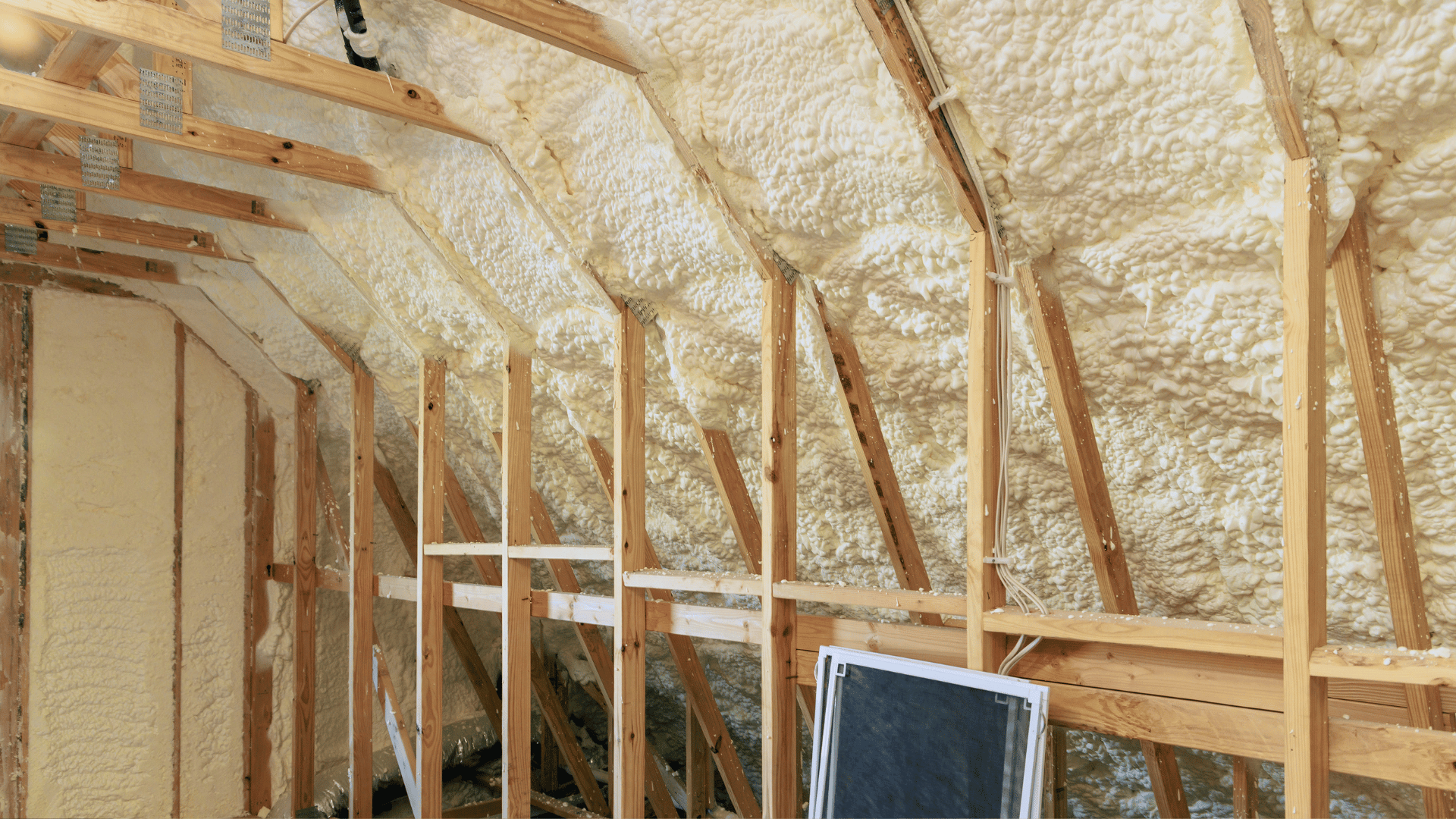
Insulated attic framing with exposed wooden studs and spray foam along the roof and walls
By Jeff Hendricks July 20, 2026
Discover the benefits of adding attic insulation. Save energy, lower utility bills, improve home comfort, and increase your home's value year-round.
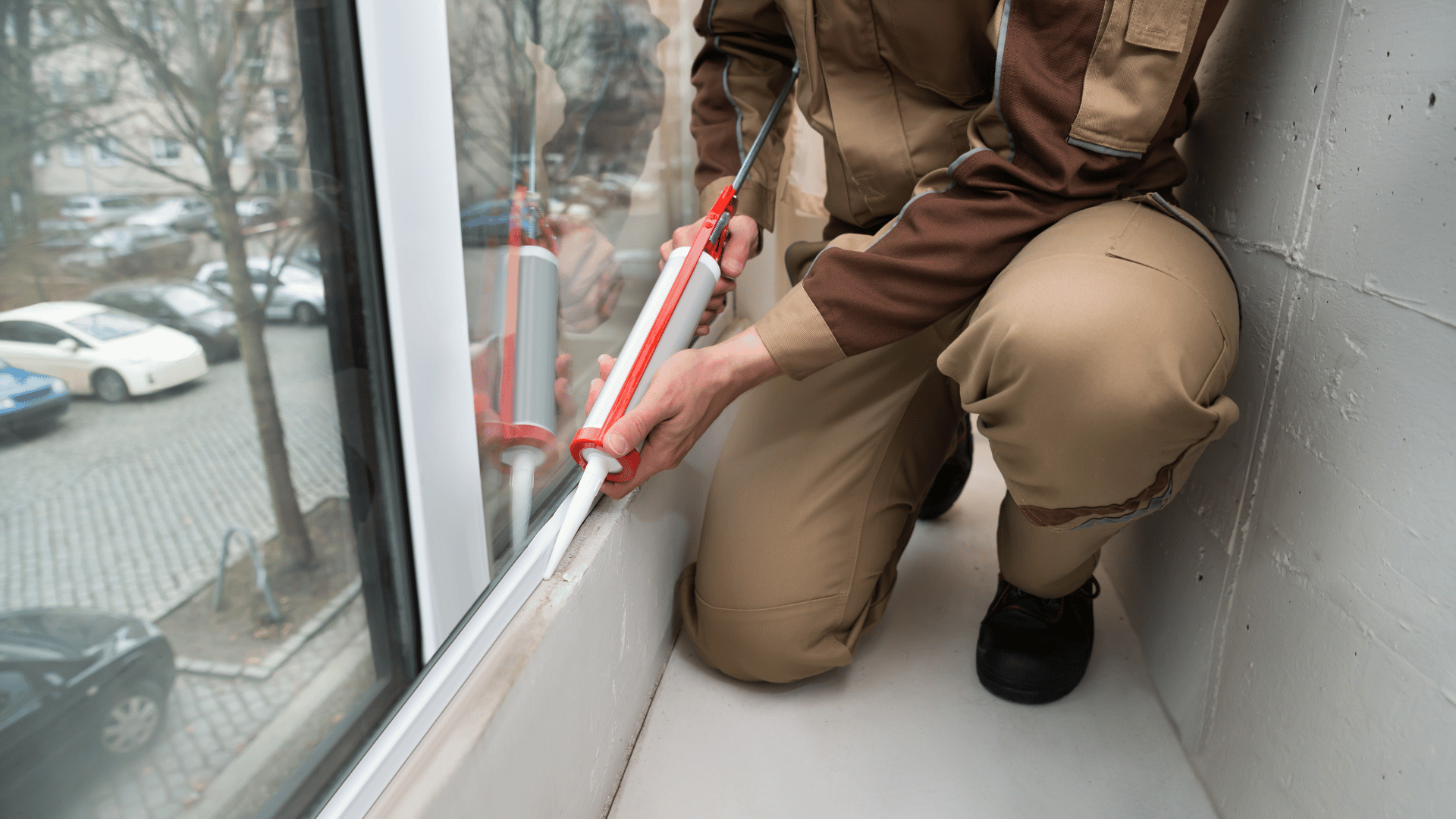
Person kneeling by a window, applying red caulk to the sill inside a room.
By Jeff Hendricks July 15, 2026
How to seal entry points to prevent pests by finding and closing cracks, gaps, and holes around your home. Learn simple, effective tips to keep insects and rodents outside and protect your home year-round.
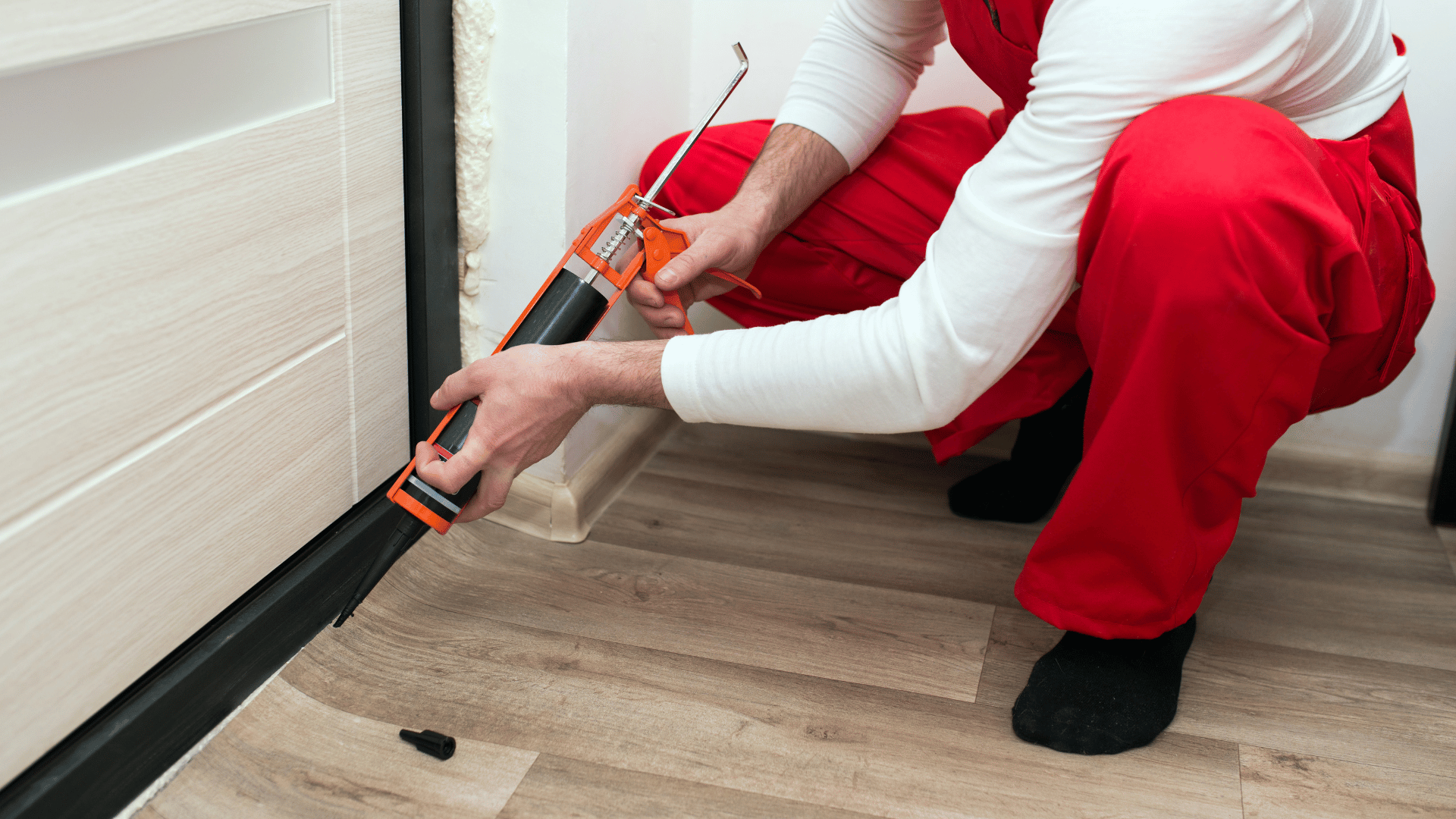
Person in red pants and white shirt applying sealant along a floor baseboard with a caulking gun
By Jeff Hendricks July 12, 2026
Learn how to weatherstrip doors and windows to stop drafts, improve energy efficiency, lower utility bills, and keep your home more comfortable all year long.
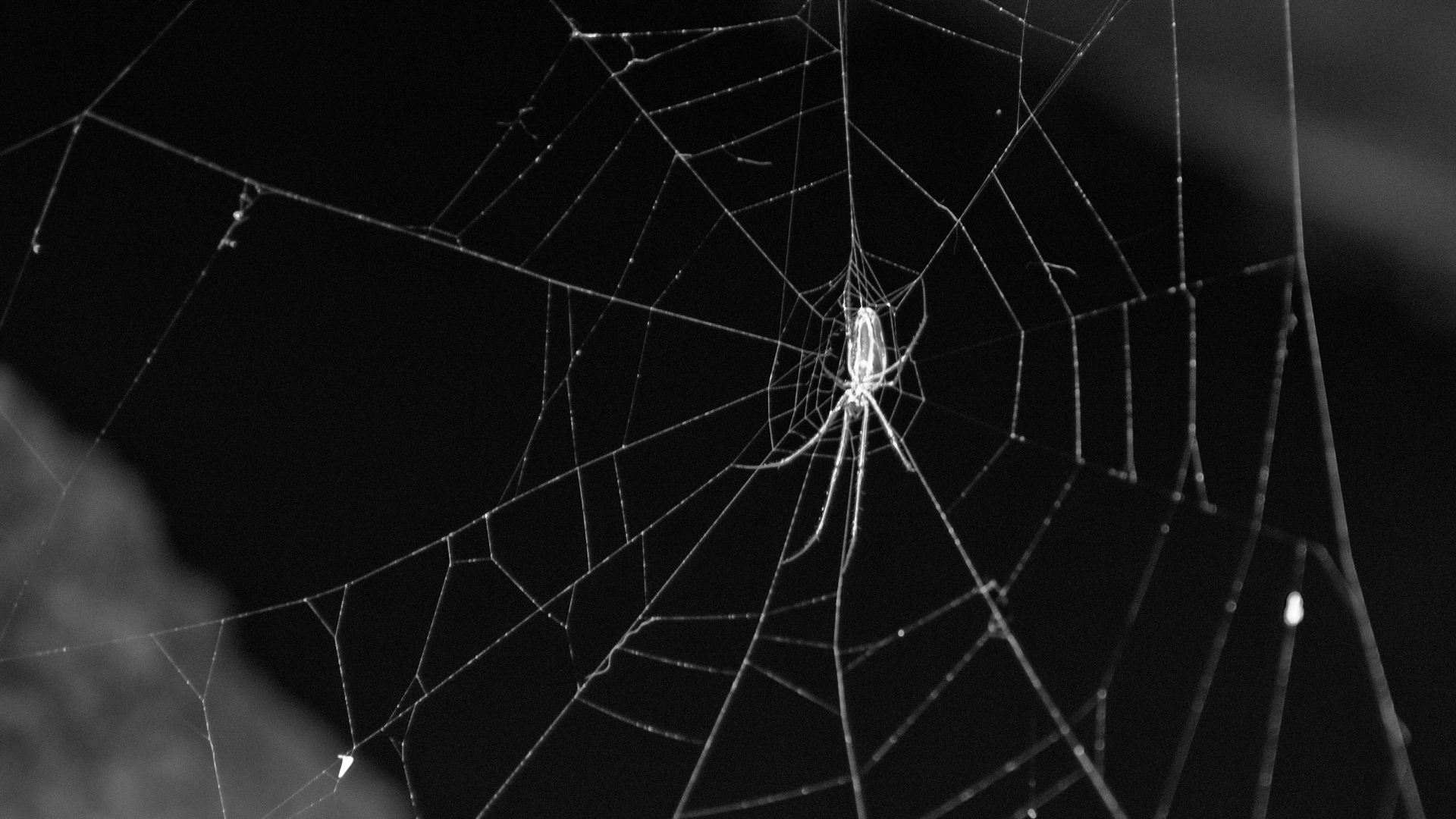
Spider on a web against a dark background
By Jeff Hendricks July 1, 2026
How to control spiders in basements and garages with simple and effective tips. Learn how cleaning, sealing entry points, and reducing clutter can help keep your basement and garage spider-free.
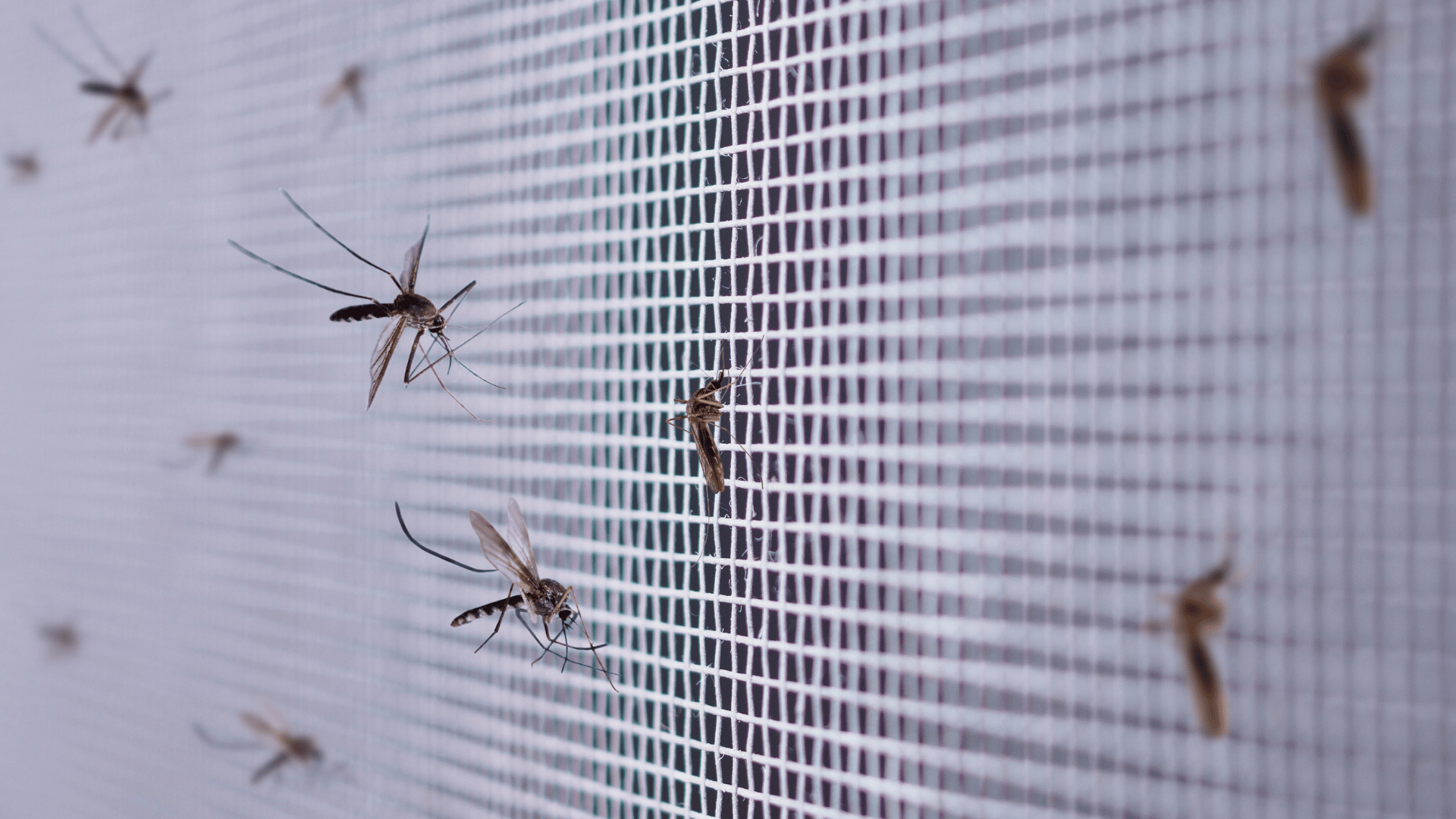
Mosquitoes resting on a white window screen, seen in close-up.
By Jeff Hendricks June 24, 2026
Dealing with Mosquitoes in Your Yard starts with removing standing water and maintaining your landscape. Learn simple, effective ways to reduce mosquitoes and enjoy a safer, more comfortable outdoor space.