



The Complete Guide | How to Inspect and Maintain Sump Pumps
Jeff Hendricks • September 26, 2025

A sump pump is the unsung guardian of your basement—the quiet workhorse standing between you and a flooded floor. Nestled in a pit at the lowest point of your home, it collects groundwater and sends it away before it can creep into walls or flooring. Most days, it hums along unnoticed, a silent sentinel. But here’s the catch: if you ignore it, that same protector could fail right when you need it most—during a downpour or when snow melts in a rush. A little attention now means a lot less panic later.

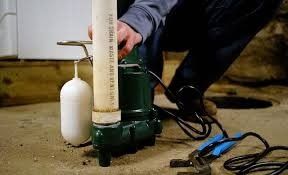
Person operating a green water pump with a white float in a wet basement area

Regular Inspections

Think of inspections as quick checkups. Every few months, glance inside the pit. Is the pump upright, or has it shifted like a leaning tower ready to cause trouble? A crooked pump can jam the float switch, leaving the system useless. Don’t forget the power source either—always ensure it’s plugged into a grounded outlet with steady electricity. A pump without reliable power is like a firefighter without water.

Testing with Water

The easiest test is also the simplest: add water. Pour a few gallons into the pit until the float rises. The pump should roar—or quietly buzz—into action, sending the water rushing out through the discharge line before shutting itself off. If it sputters, grinds, or refuses to stop, that’s your red flag. Repairs or a replacement might be around the corner.

Cleaning the Sump Pit: Inspect and Maintain Sump Pumps

Mud, gravel, and other debris love to collect at the bottom. Over time, that buildup can choke the pump or wedge the float into place. Every so often, unplug the system, pull it out, and clean the pit. Scrape away sludge, rinse the housing, and make sure the intake screen is clear. A clean pit isn’t just tidier—it keeps the motor from straining itself to death.

Checking the Discharge Line

Your pump is only as good as its exit strategy. The discharge line carries water away, but if it’s clogged, cracked, or frozen in winter, the system fails. Inspect it often.


Water should empty at least 10 to 20 feet from your foundation—far enough that it doesn’t sneak back inside. A simple mesh cover at the outlet keeps leaves, critters, and other debris from turning the pipe into a bottleneck.

Person in gray sweatshirt pouring liquid from a pot into a kitchen stove-top cooker

Maintaining Backup Systems

Electricity is sump pumps’ lifeblood. Unfortunately, storms—the very reason you need the pump—can kill the power. That’s why a backup system isn’t optional, it’s essential. Battery-powered backups need testing (unplug the main pump to see if they kick in), and their batteries usually expire every few years. Water-powered backups depend on valves and steady pressure, so check those too. Backups aren’t just insurance; they’re peace of mind.

Listening for Warning Signs

Your ears can catch what your eyes miss. A healthy pump is quiet, cycling on only when water rises. If you hear grinding, rattling, or endless running, something’s off—a stuck float, worn motor, or switch failure. Catch the whispers early, and you can inspect and maintain sump pumps effectively.

Replacing Older Pumps

Even the best-maintained pumps don’t last forever. Seven to ten years is the average lifespan. If yours is creeping up on that range, don’t gamble—replace it before it quits mid-storm. Modern models often include alarms, sealed lids to block odors, and even smart monitors that send alerts to your phone. Think of it as upgrading from a pager to a smartphone—it’s the same tool, just smarter and safer.

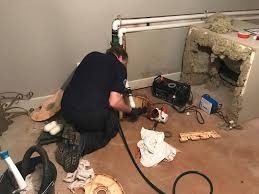
Person kneeling on floor beside a fireplace, working with tools and cables in a room.

Professional Maintenance

DIY care goes far, but nothing beats a professional once-over. Once a year, call in a technician to check electrical parts, test the motor, and ensure both the main and backup systems are at full strength. It’s an extra layer of protection, like a second lock on your front door.


A sump pump may be out of sight, but it should never be out of mind. Inspections, cleaning, water tests, discharge checks, and backup maintenance all extend its lifespan. Pair that with a yearly professional checkup, and you’ve built a fortress against basement flooding. A few minutes of care today can save thousands in repairs tomorrow—and guarantee that, no matter the weather, your home stays dry, safe, and secure.

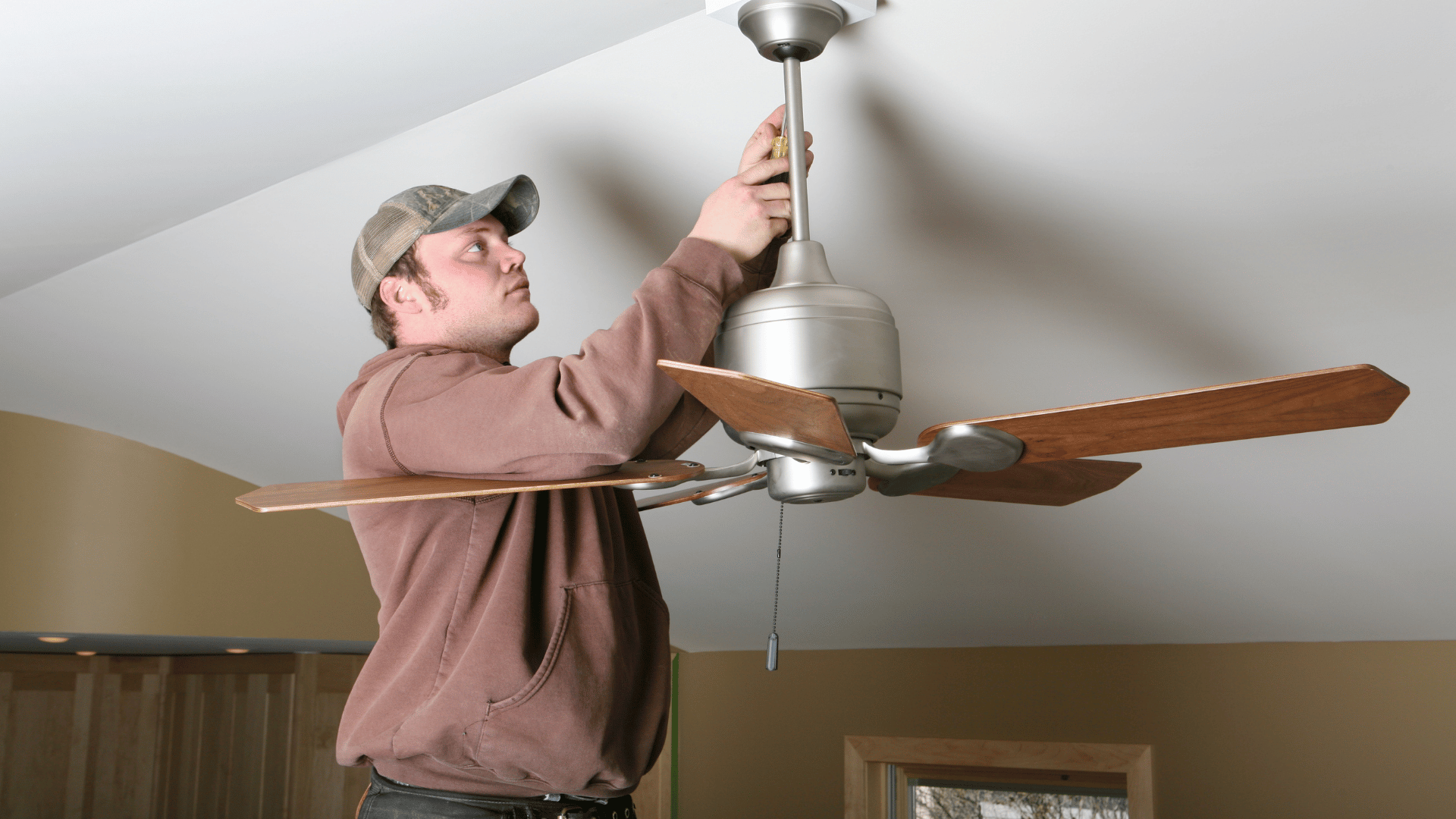
Man installing a ceiling fan with a screwdriver in a living room
By Jeff Hendricks August 25, 2026
Simple ceiling fan maintenance tips to help you remove dust, check loose parts, balance the blades, and keep your fan working properly.

Man installing a white ceiling fan with wood blades on a ceiling indoors.
By Jeff Hendricks August 19, 2026
Learn to save energy at home with ceiling fan tips. Adjust settings for comfort & efficiency. Contact us for expert real estate advice!

Caulking a white window frame with a sealant gun near a bright window
By Jeff Hendricks August 11, 2026
Learn how to block drafts in old homes with simple, affordable tips. Seal air leaks, improve comfort, lower energy bills, and keep your home warm in winter and cool in summer.
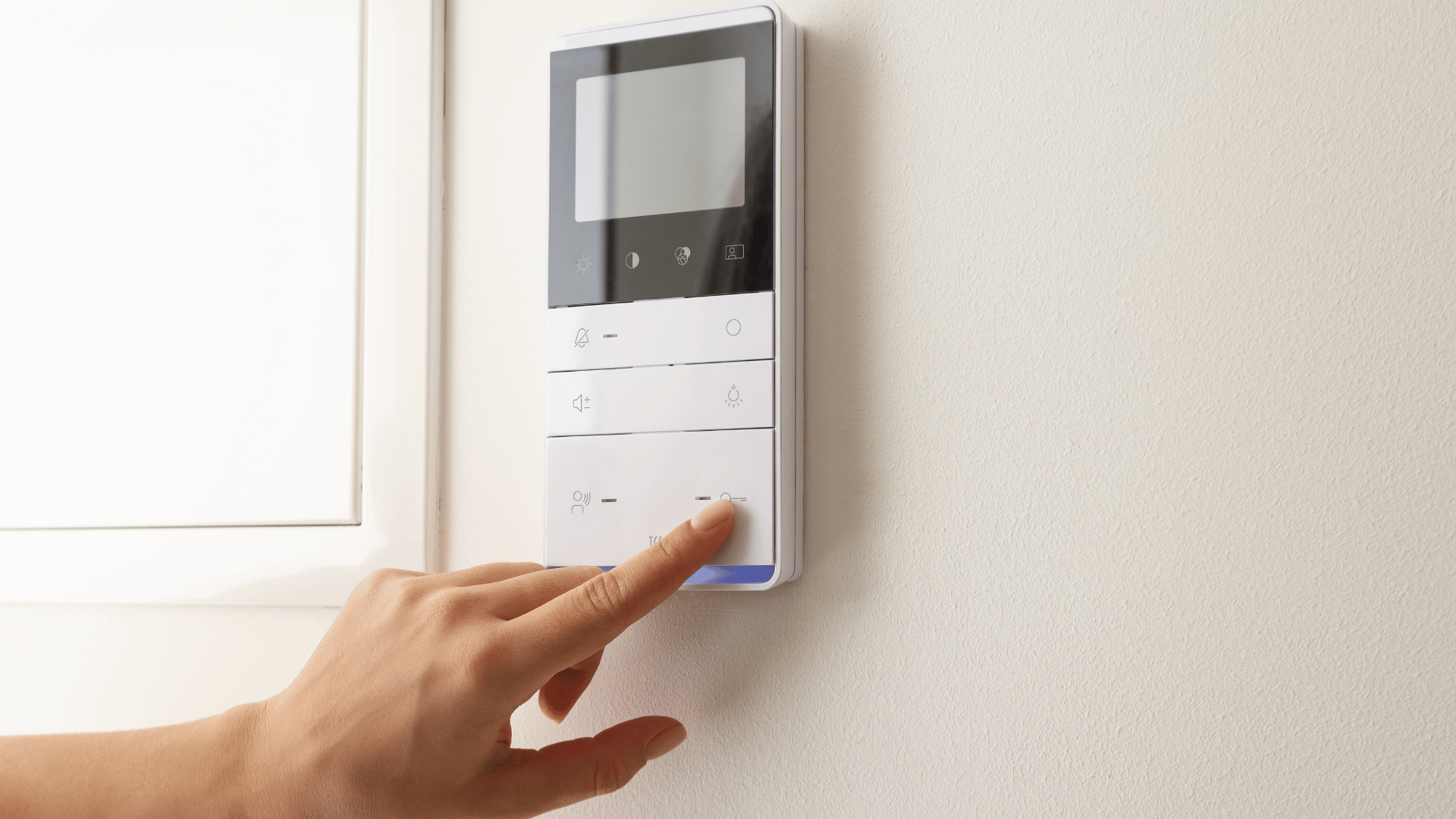
Hand pressing a blue button on a wall-mounted video intercom panel
By Jeff Hendricks August 4, 2026
Discover practical tips for reducing heating and cooling costs. Learn simple ways to improve energy efficiency, lower utility bills, and keep your home comfortable all year long.
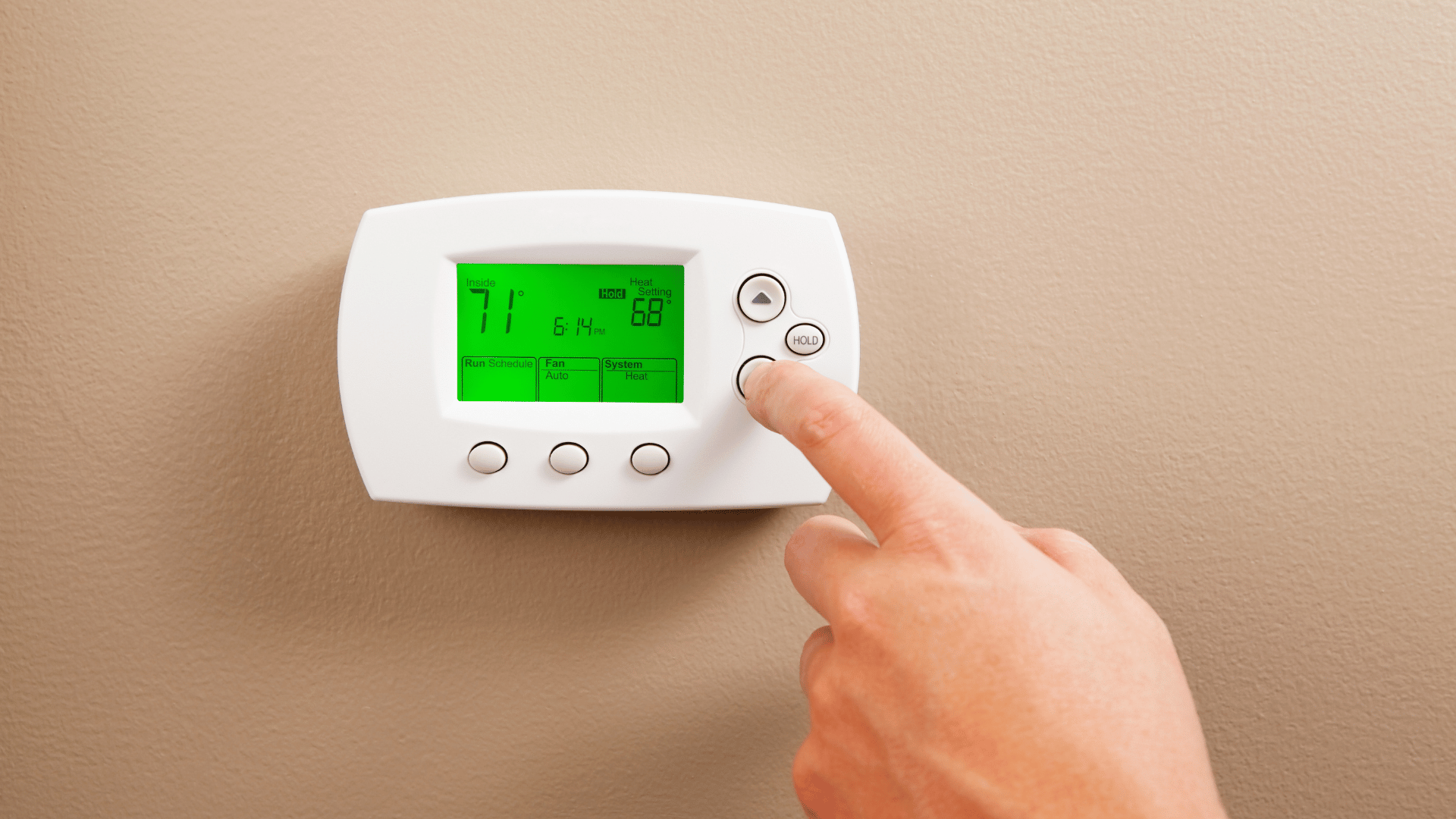
Hand pressing buttons on a white wall thermostat with a green digital display
By Jeff Hendricks July 26, 2026
Discover how to install a programmable thermostat safely and correctly. Follow this easy guide to improve energy efficiency and reduce heating and cooling costs.
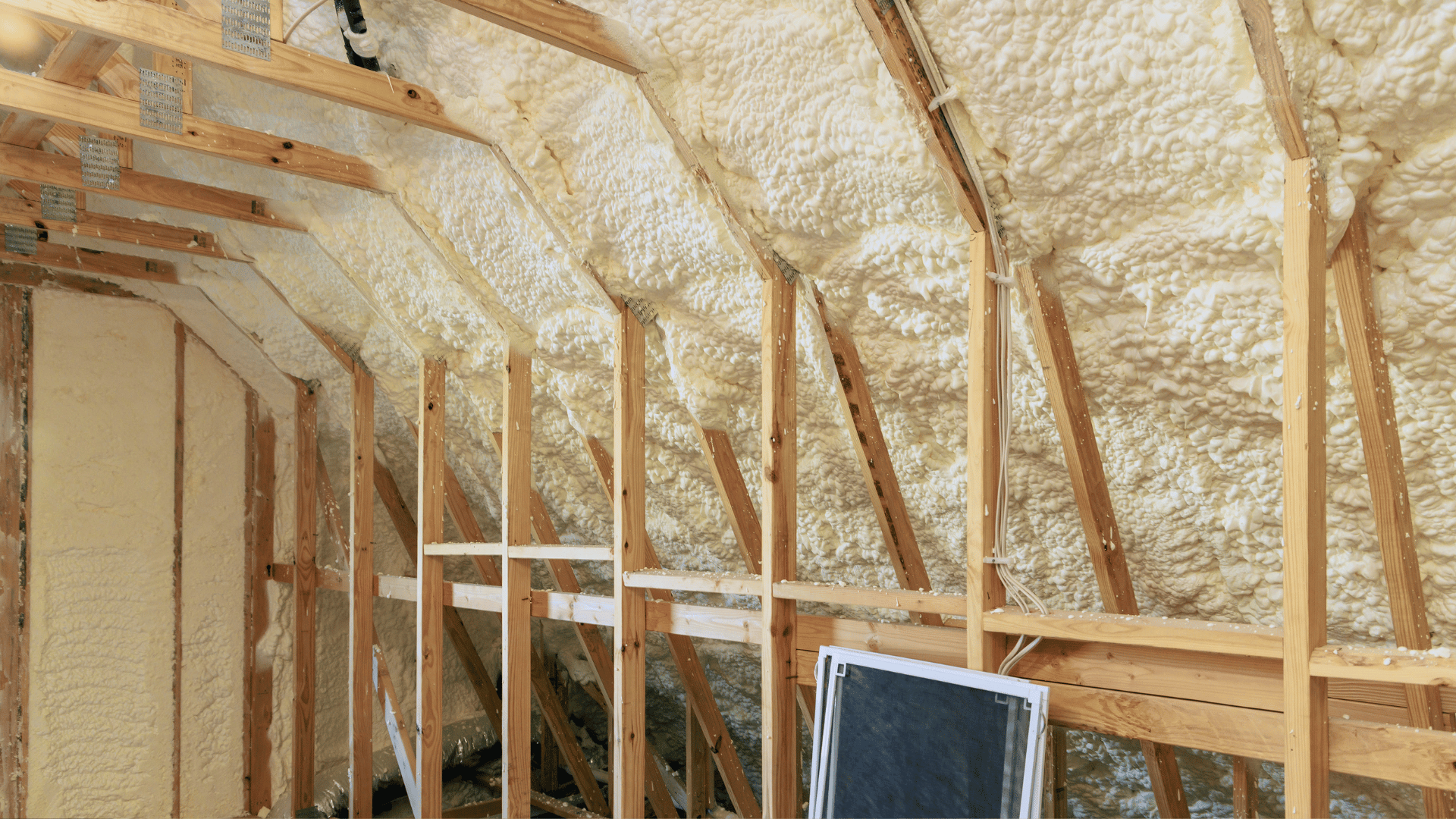
Insulated attic framing with exposed wooden studs and spray foam along the roof and walls
By Jeff Hendricks July 20, 2026
Discover the benefits of adding attic insulation. Save energy, lower utility bills, improve home comfort, and increase your home's value year-round.
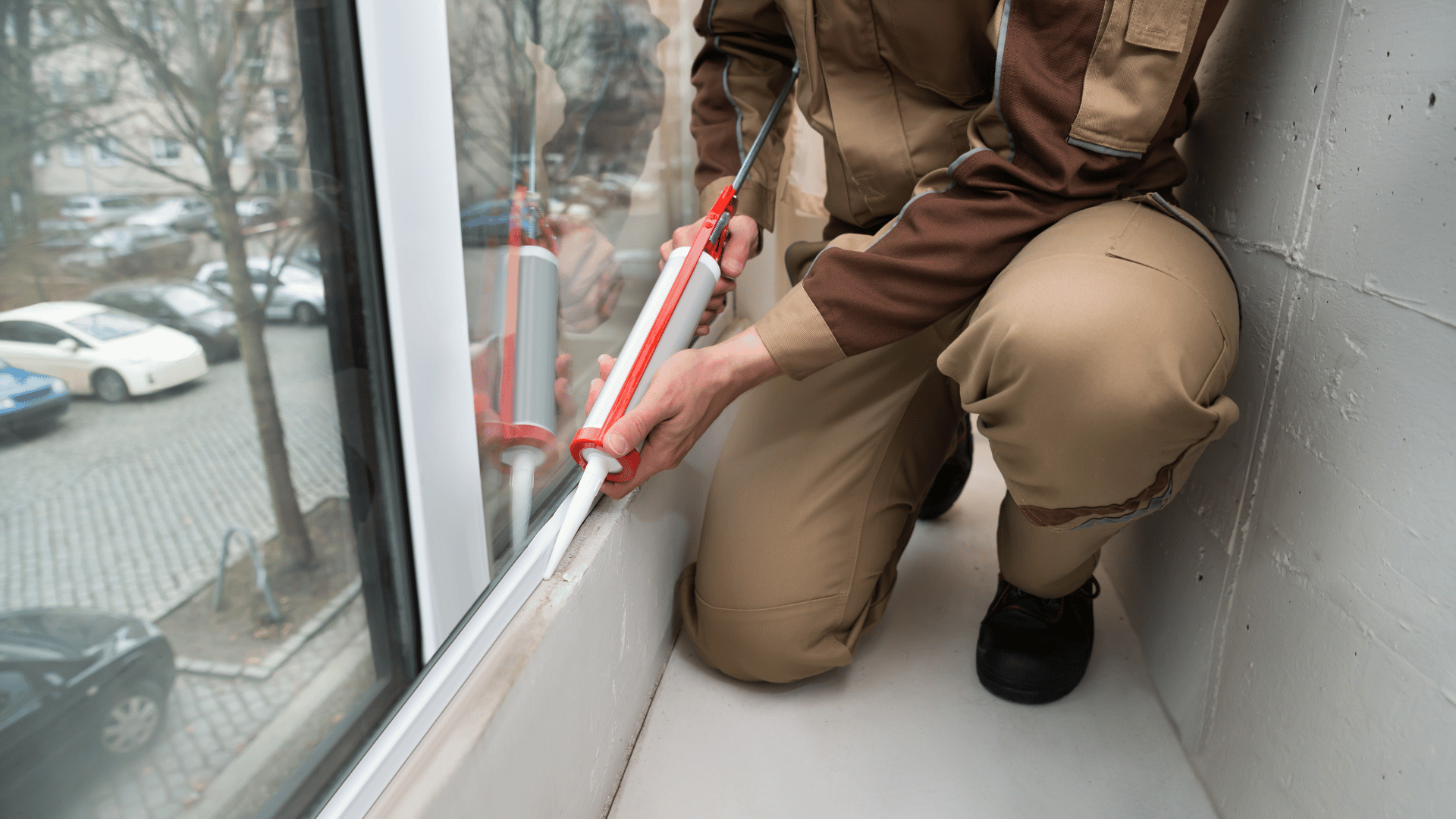
Person kneeling by a window, applying red caulk to the sill inside a room.
By Jeff Hendricks July 15, 2026
How to seal entry points to prevent pests by finding and closing cracks, gaps, and holes around your home. Learn simple, effective tips to keep insects and rodents outside and protect your home year-round.
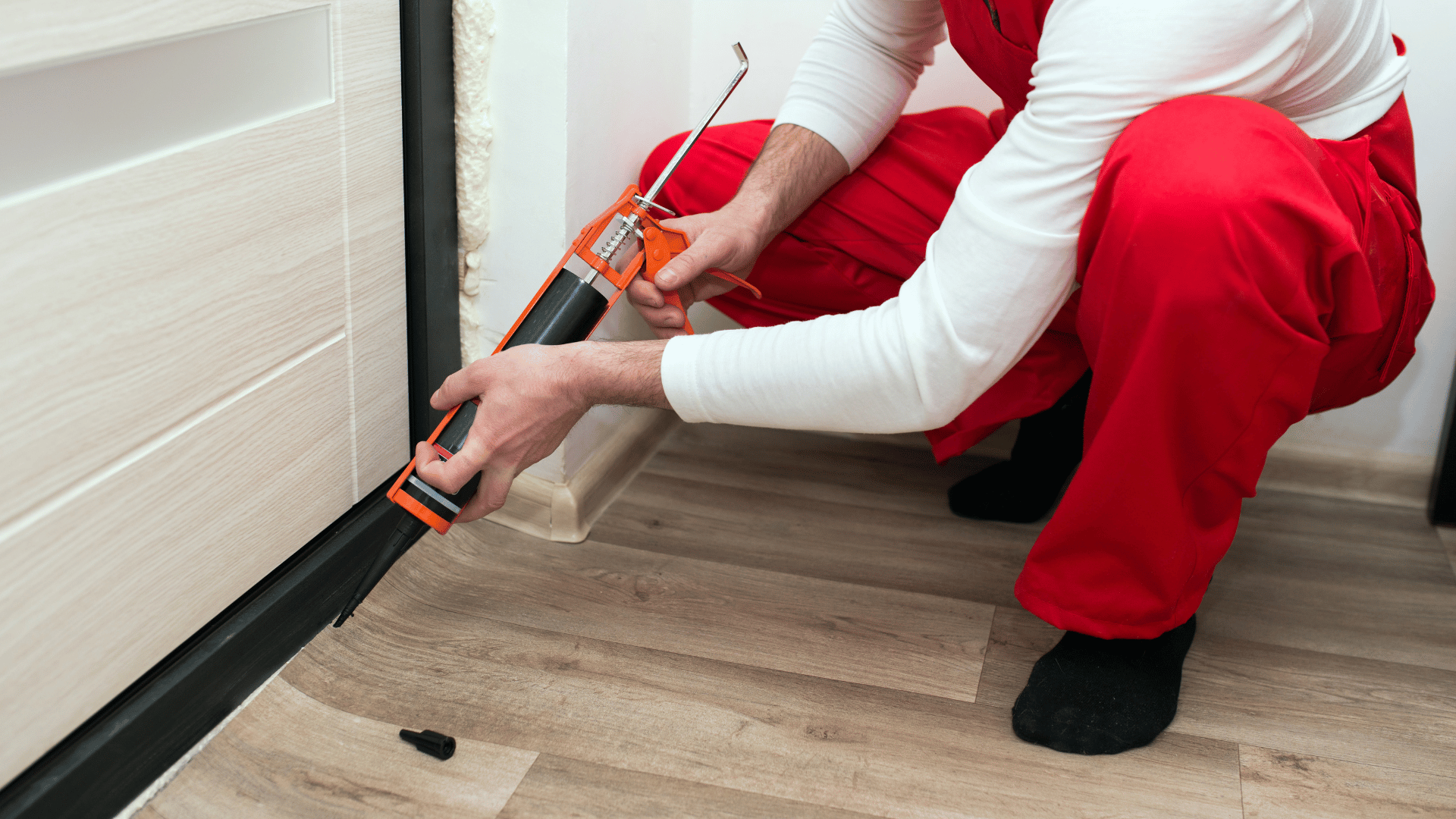
Person in red pants and white shirt applying sealant along a floor baseboard with a caulking gun
By Jeff Hendricks July 12, 2026
Learn how to weatherstrip doors and windows to stop drafts, improve energy efficiency, lower utility bills, and keep your home more comfortable all year long.

Spider on a web against a dark background
By Jeff Hendricks July 1, 2026
How to control spiders in basements and garages with simple and effective tips. Learn how cleaning, sealing entry points, and reducing clutter can help keep your basement and garage spider-free.
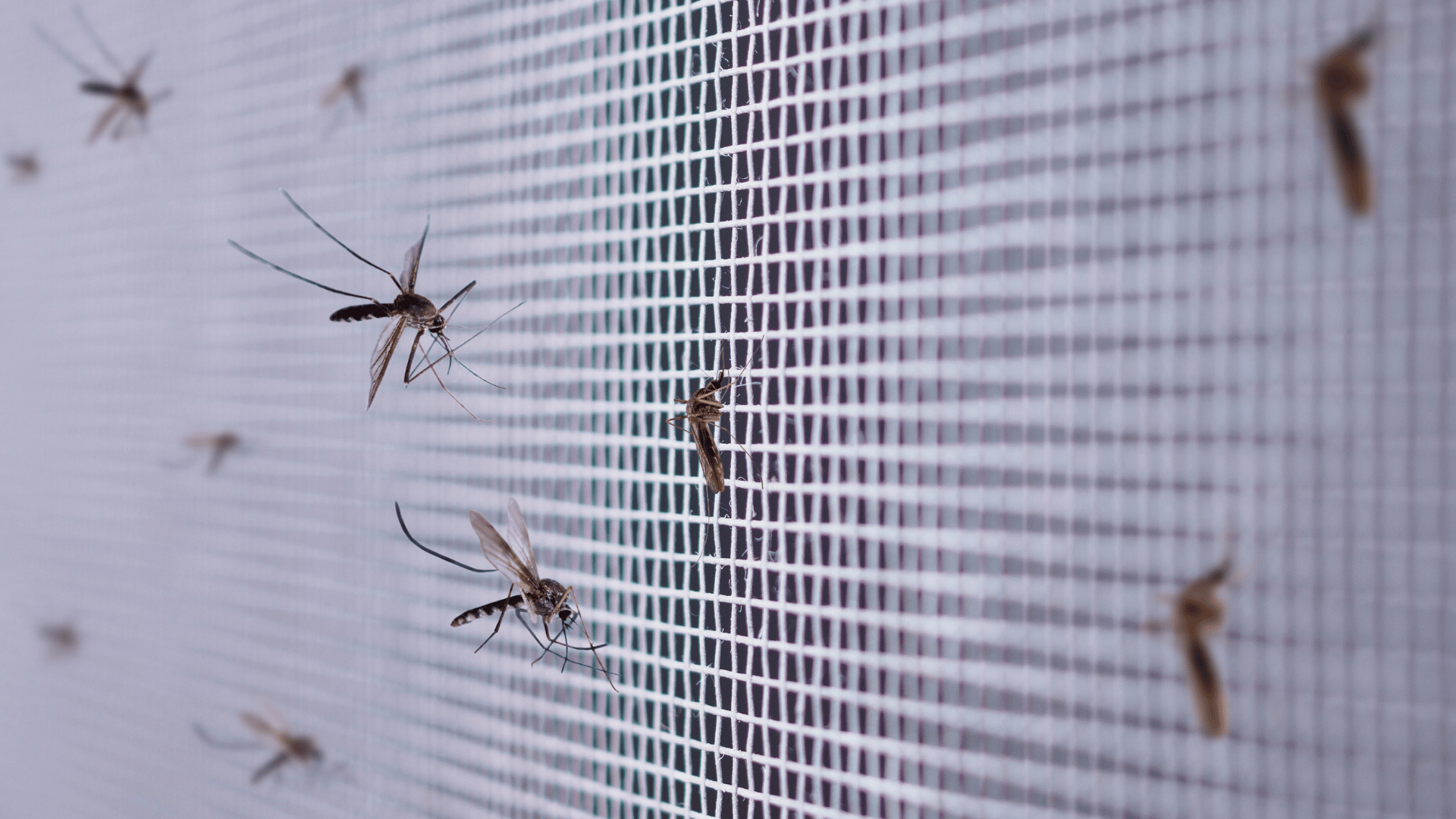
Mosquitoes resting on a white window screen, seen in close-up.
By Jeff Hendricks June 24, 2026
Dealing with Mosquitoes in Your Yard starts with removing standing water and maintaining your landscape. Learn simple, effective ways to reduce mosquitoes and enjoy a safer, more comfortable outdoor space.