

Signs Your Water Heater May Need Replacing
Jeff Hendricks • December 26, 2025
Dripping kitchen faucet over a sink, with water leaking from the spout

Your water heater is easy to ignore. It doesn’t beep. It doesn’t flash warnings. It just sits there, quietly doing its job—until one day, it can’t. Cold water mid-shower. Lukewarm dishes. A damp floor you swear wasn’t wet yesterday.


These moments are rarely random. Water heaters usually give subtle hints long before they fail completely. Knowing what to look for can save you from sudden breakdowns, expensive water damage, and unnecessary stress.


Here are the most important signs your water heater may be nearing the end of its life.

1. The Age Is Catching Up

Time wears everything down, and water heaters are no exception. Most tank-style units last between 8 and 12 years. Tankless systems last longer, but they aren’t immortal. If your heater is older and starting to act up, even minor issues should be taken seriously. At a certain age, replacing the unit makes more financial sense than repairing it again and again.

2. Rusty, Brown, or Metallic-Smelling Water

Clean hot water should be clear. Always. If you notice discoloration or a metallic odor, corrosion may already be eating away at the inside of the tank. This type of rust isn’t cosmetic—it weakens the structure and increases the risk of leaks. Once internal corrosion begins, replacement is usually the safest option.

3. Unreliable Water Temperature

Hot. Cold. Warm. Cold again. If your water temperature can’t make up its mind, something isn’t right. Failing heating elements or heavy sediment buildup often cause these fluctuations. While temporary fixes may help, ongoing temperature problems usually mean the system is wearing out from the inside.

4. Loud or Unfamiliar Noises

Water heaters shouldn’t sound like they’re arguing with themselves. Popping, rumbling, or banging noises are often caused by hardened sediment at the bottom of the tank. This layer forces the heater to work harder, driving up energy use and accelerating internal damage. If the noise keeps getting louder, the problem usually isn’t going away on its own.

5. Water Collecting Around the Base

A small puddle can lead to a big problem. Moisture around your water heater may indicate cracks in the internal tank caused by years of heating and cooling. Once the tank itself begins to leak, repairs aren’t an option. Replacement becomes urgent.

6. Hot Water Doesn’t Last Like It Used To

If your family runs out of hot water faster than before, your heater may no longer be heating or storing water efficiently. This is common with older units as internal components wear down. Shorter showers and constant reheating are strong signals that the system is failing.

7. Energy Bills Are Quietly Rising

An aging water heater often loses efficiency without making it obvious. It simply works harder to deliver the same results. If your energy bills are climbing and your usage hasn’t changed, your water heater could be the reason. Newer models are significantly more efficient and can reduce monthly costs.

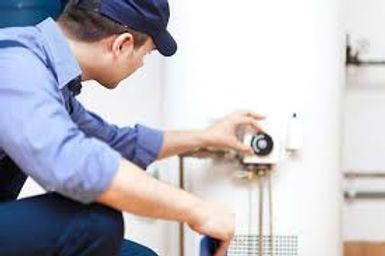
Plumber in blue uniform inspecting a water heater pipe connection

8. Repairs Are Becoming Routine

Calling a plumber once in a while is normal. Calling one every few months is not. Frequent repairs usually mean the unit is reaching the end of its usable life. At some point, continued repairs cost more than replacing the heater entirely.

Why Waiting Can Be Risky

A failing water heater doesn’t just stop working—it can leak, flood, or cause structural damage if ignored. Sudden tank failure can lead to costly repairs beyond the unit itself. Acting early gives you time to choose an energy-efficient replacement instead of rushing through an emergency decision.


Water heaters rarely fail without warning. Age, noise, leaks, rust, rising bills, and inconsistent temperatures all tell a story. If you’re noticing several of these signs at once, it’s time to consult a professional plumber. Replacing your water heater before it fails completely can restore comfort, improve efficiency, and protect your home from unexpected damage.

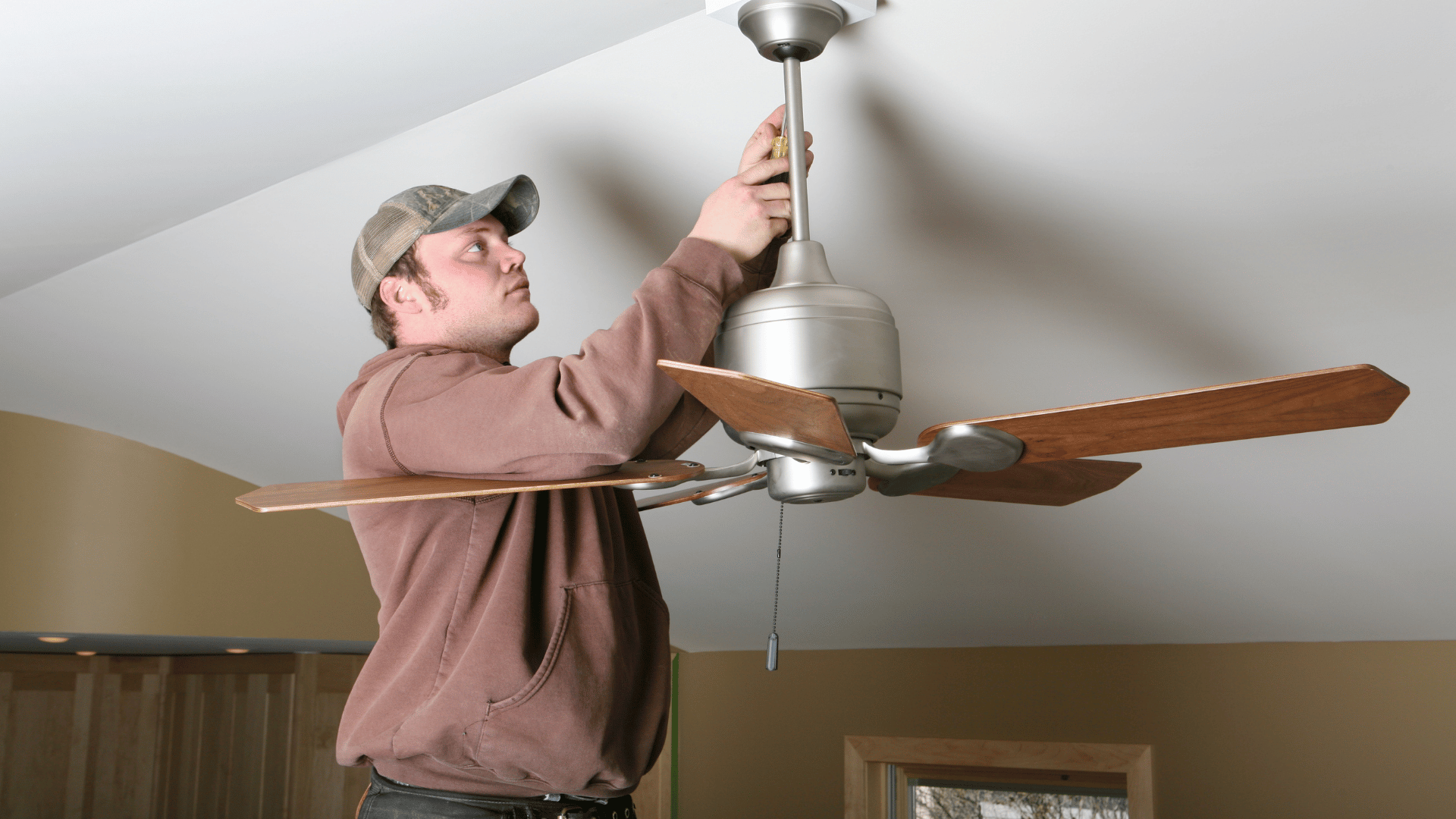
Man installing a ceiling fan with a screwdriver in a living room
By Jeff Hendricks August 25, 2026
Simple ceiling fan maintenance tips to help you remove dust, check loose parts, balance the blades, and keep your fan working properly.
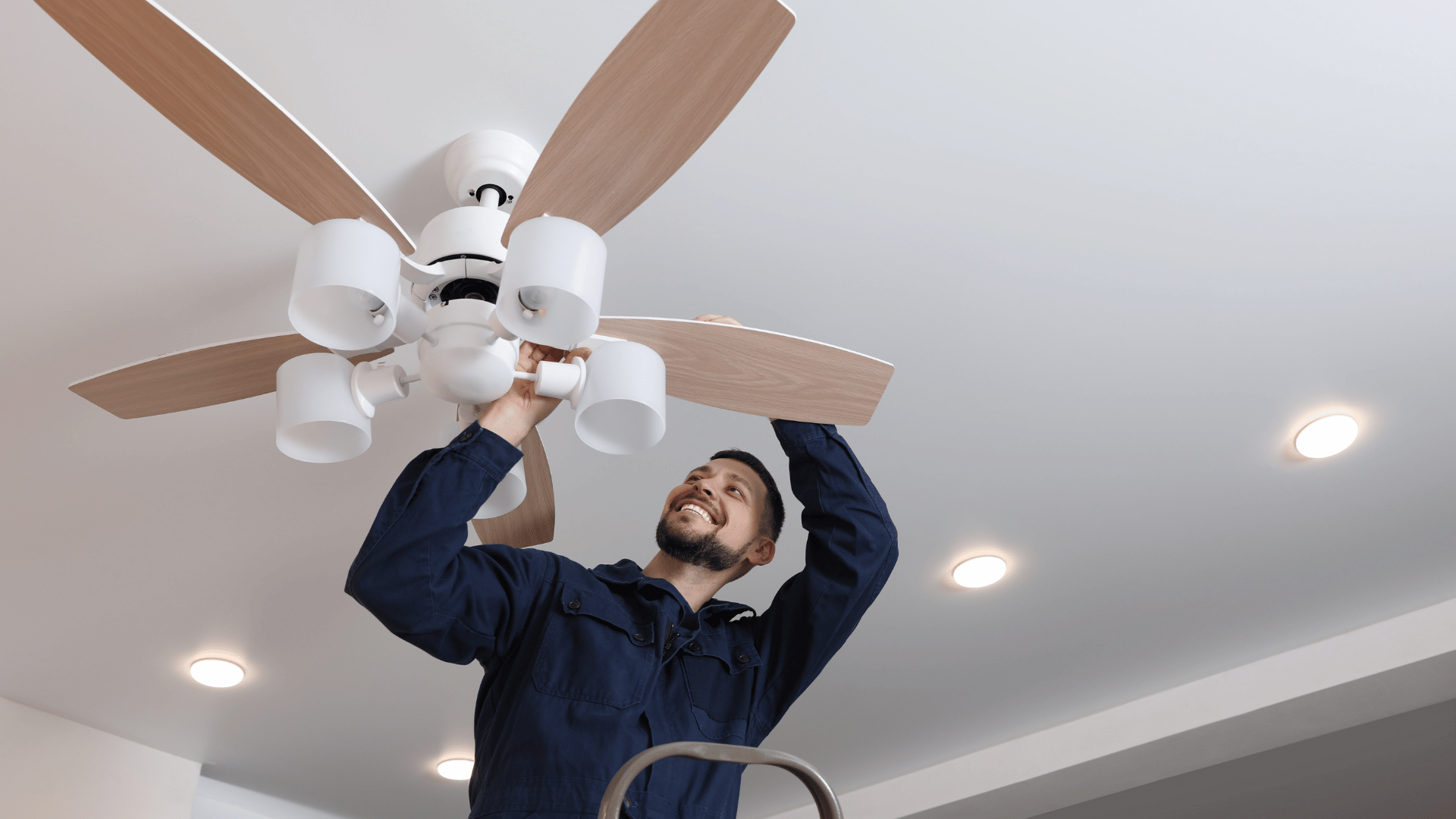
Man installing a white ceiling fan with wood blades on a ceiling indoors.
By Jeff Hendricks August 19, 2026
Learn to save energy at home with ceiling fan tips. Adjust settings for comfort & efficiency. Contact us for expert real estate advice!
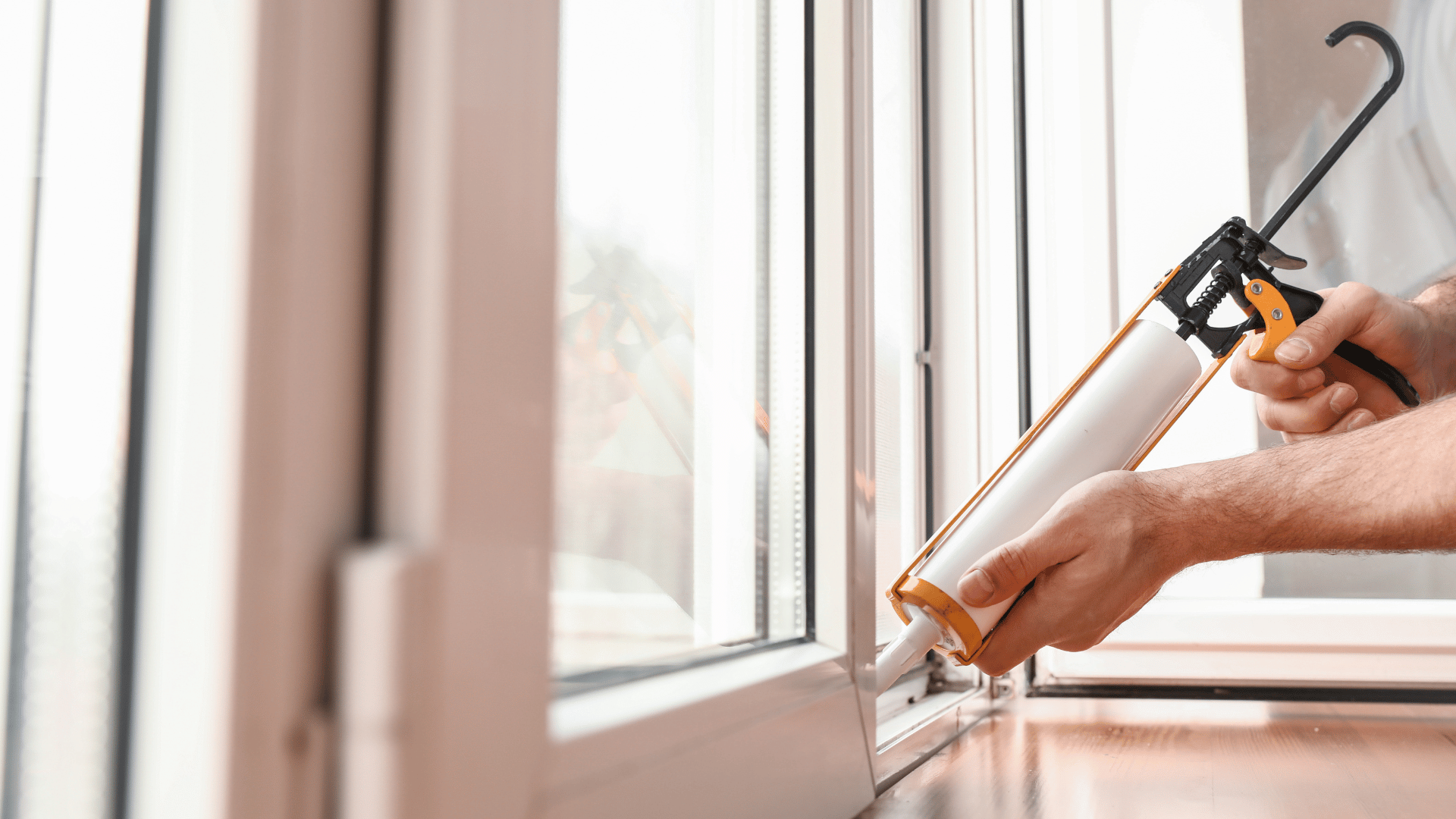
Caulking a white window frame with a sealant gun near a bright window
By Jeff Hendricks August 11, 2026
Learn how to block drafts in old homes with simple, affordable tips. Seal air leaks, improve comfort, lower energy bills, and keep your home warm in winter and cool in summer.
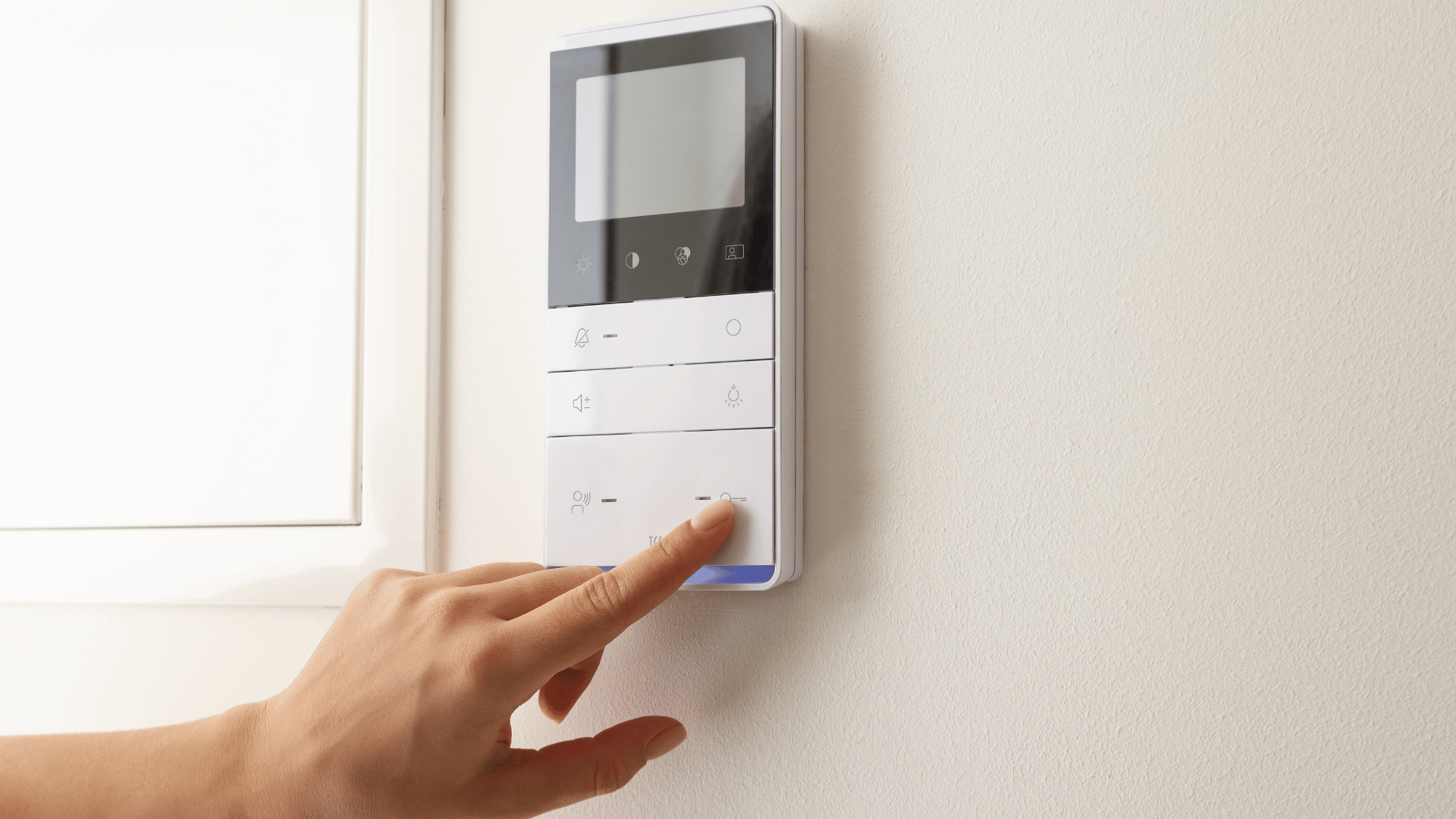
Hand pressing a blue button on a wall-mounted video intercom panel
By Jeff Hendricks August 4, 2026
Discover practical tips for reducing heating and cooling costs. Learn simple ways to improve energy efficiency, lower utility bills, and keep your home comfortable all year long.
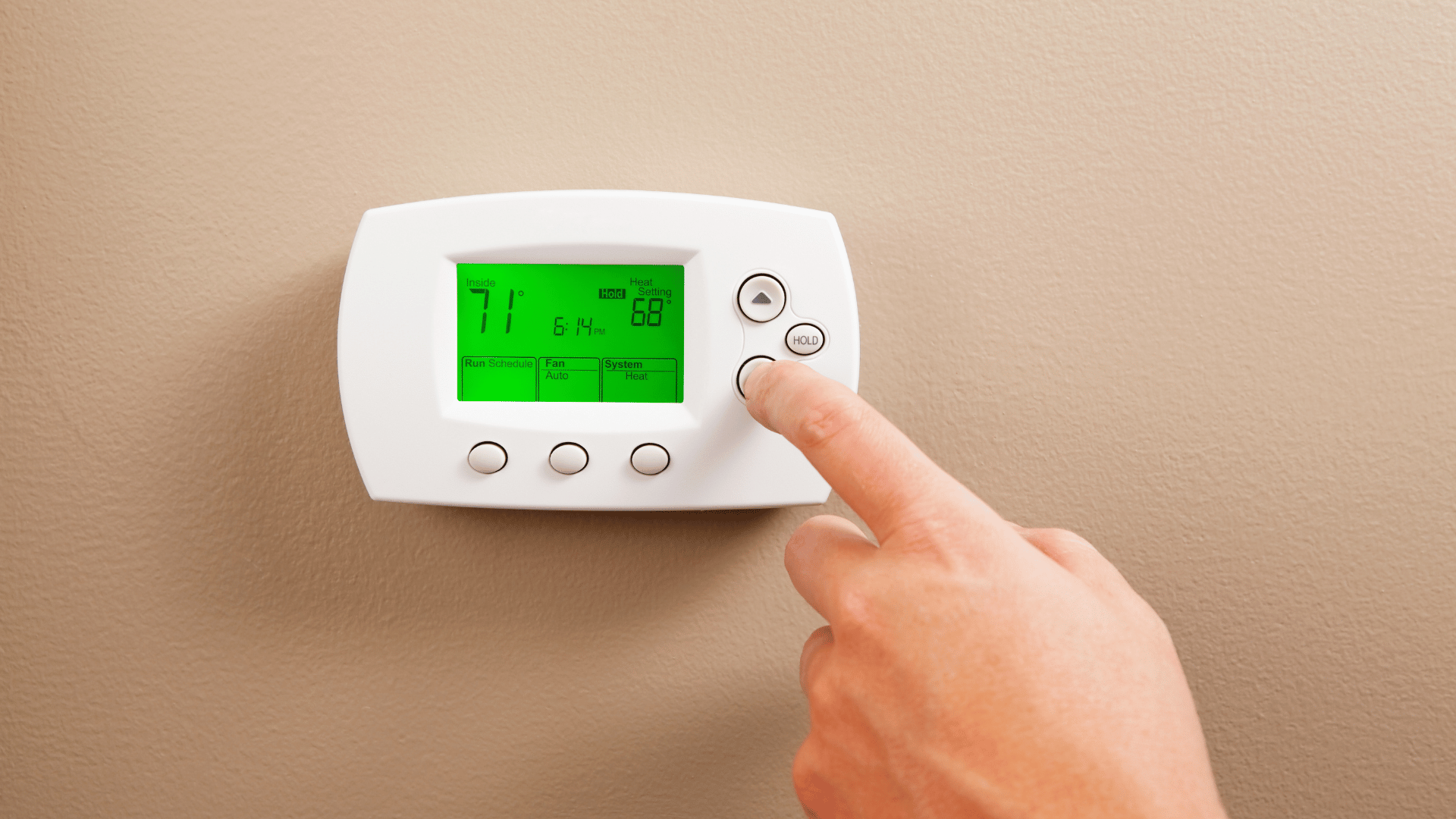
Hand pressing buttons on a white wall thermostat with a green digital display
By Jeff Hendricks July 26, 2026
Discover how to install a programmable thermostat safely and correctly. Follow this easy guide to improve energy efficiency and reduce heating and cooling costs.
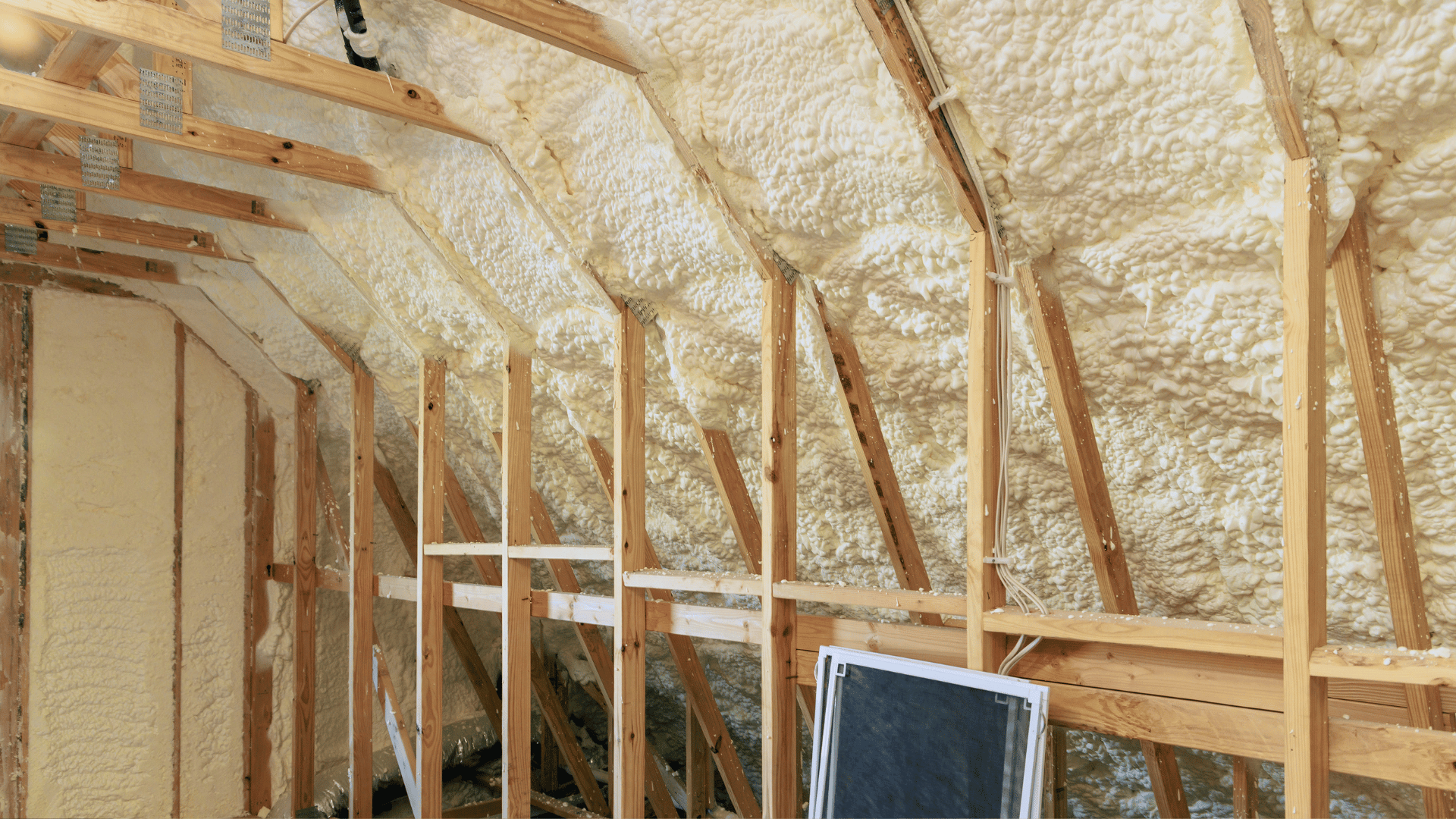
Insulated attic framing with exposed wooden studs and spray foam along the roof and walls
By Jeff Hendricks July 20, 2026
Discover the benefits of adding attic insulation. Save energy, lower utility bills, improve home comfort, and increase your home's value year-round.
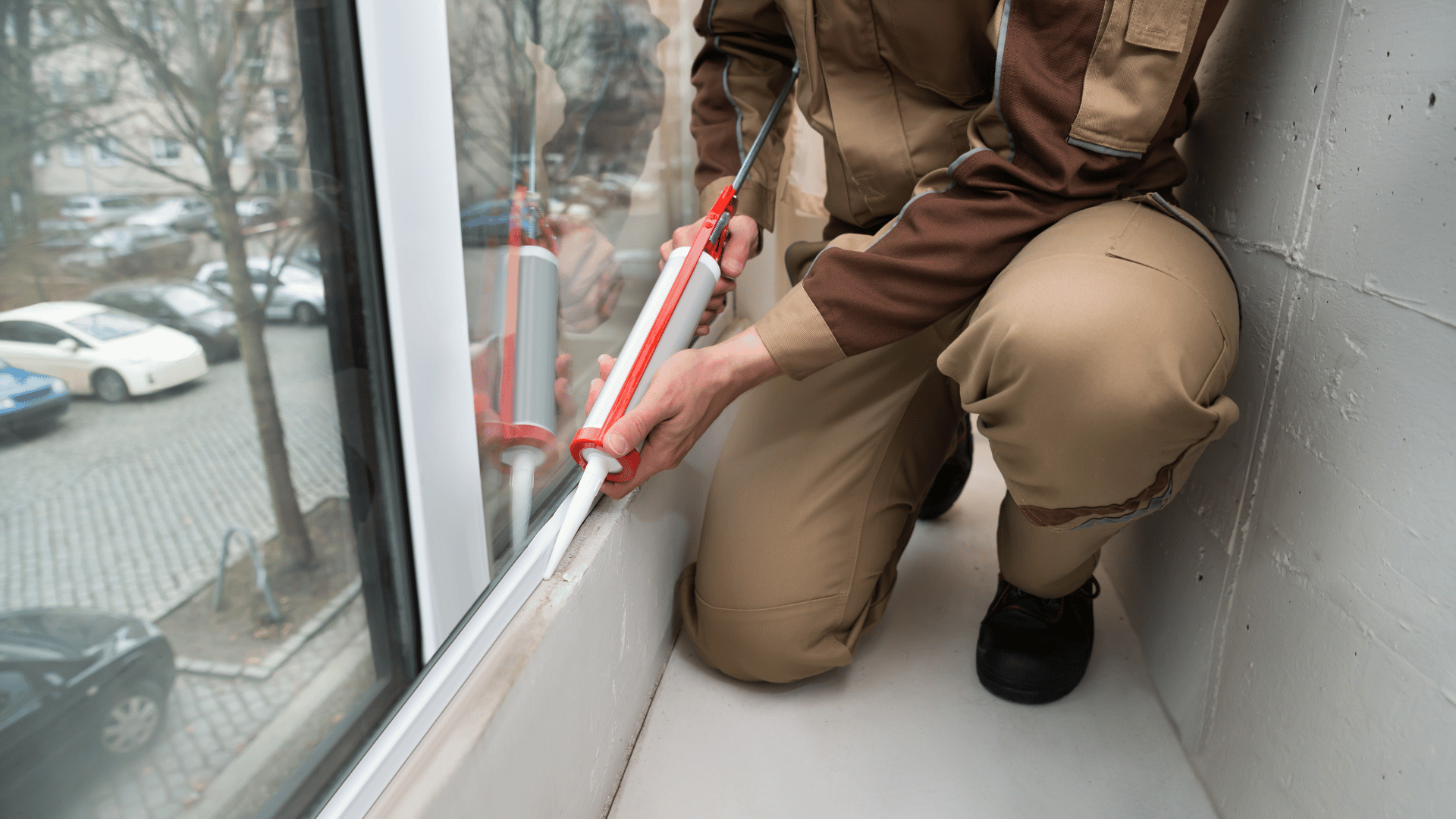
Person kneeling by a window, applying red caulk to the sill inside a room.
By Jeff Hendricks July 15, 2026
How to seal entry points to prevent pests by finding and closing cracks, gaps, and holes around your home. Learn simple, effective tips to keep insects and rodents outside and protect your home year-round.
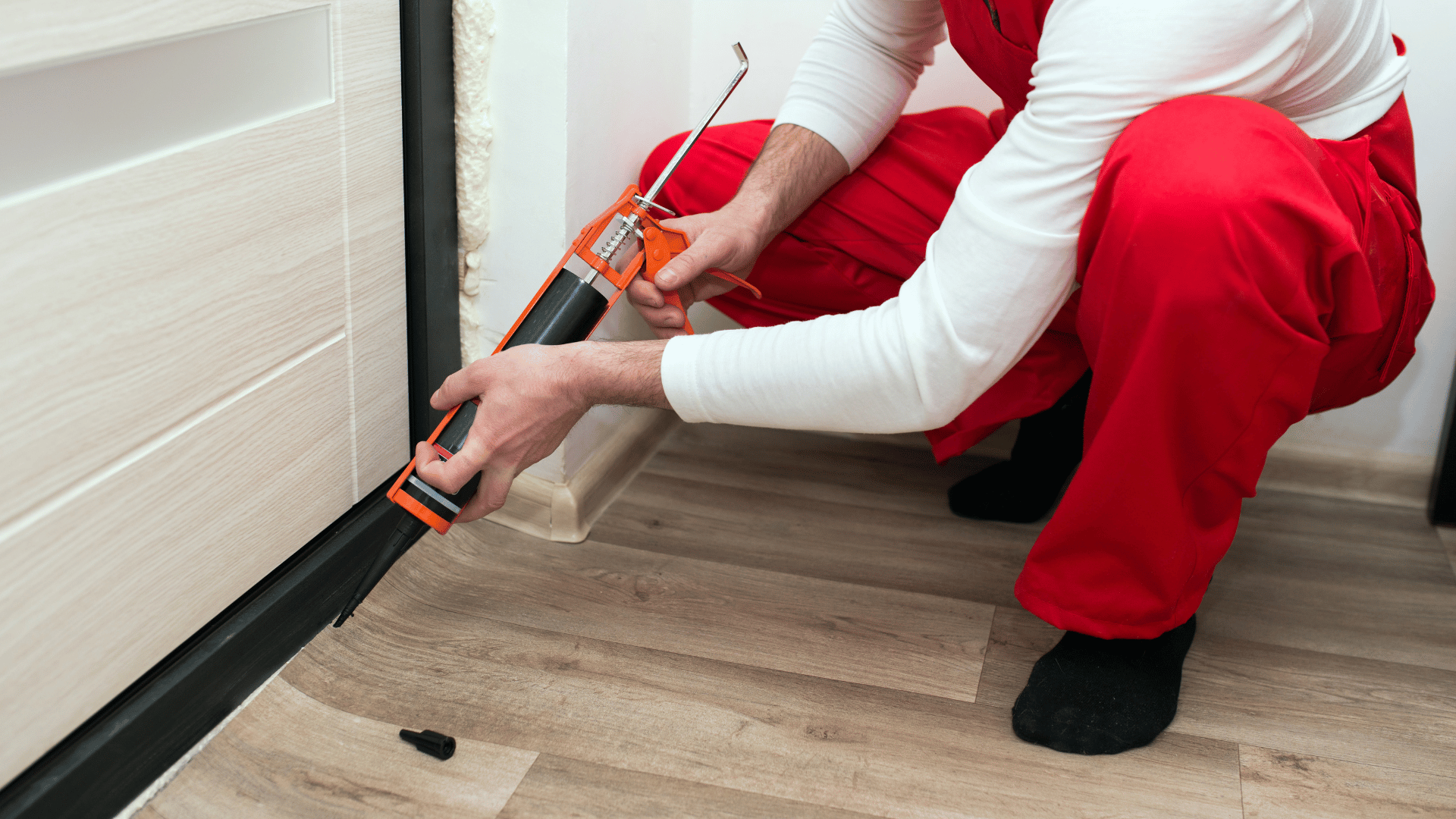
Person in red pants and white shirt applying sealant along a floor baseboard with a caulking gun
By Jeff Hendricks July 12, 2026
Learn how to weatherstrip doors and windows to stop drafts, improve energy efficiency, lower utility bills, and keep your home more comfortable all year long.
Spider on a web against a dark background
By Jeff Hendricks July 1, 2026
How to control spiders in basements and garages with simple and effective tips. Learn how cleaning, sealing entry points, and reducing clutter can help keep your basement and garage spider-free.
Mosquitoes resting on a white window screen, seen in close-up.
By Jeff Hendricks June 24, 2026
Dealing with Mosquitoes in Your Yard starts with removing standing water and maintaining your landscape. Learn simple, effective ways to reduce mosquitoes and enjoy a safer, more comfortable outdoor space.