

How to Replace Light Switches and Outlets | Tools, Tips, and Safety Steps
Jeff Hendricks • January 30, 2026

Even the most straightforward electrical tasks have a way of turning problematic when attention slips. One of the most common and surprisingly costly errors is mixing up wires. Color coding exists for a reason, and it’s critical to reconnect each wire to the exact terminal it came from on the old device. Guessing here is not an option.

Hand adjusting breakers in an electrical panel with open gray door on a blue wall

Loose connections are another frequent troublemaker. They may seem harmless at first, but over time they can lead to flickering lights, dead outlets, or, in the worst cases, overheating and electrical fires. Terminal screws should be tightened firmly, and wires should be wrapped neatly in a clockwise direction so they stay secure as the screw is tightened.

Then there’s the issue of overcrowded electrical boxes. Stuffing too many wires into a small space can pinch insulation, strain connections, and slowly work things loose. If the box feels cramped or difficult to close, that’s a warning sign. Upgrading to a larger, code-compliant electrical box is often the safer and smarter choice.

Upgrading Your Switches and Outlets

Replacing switches and outlets isn’t just about fixing what’s broken. It’s also a chance to modernize your home and add everyday convenience. Many homeowners choose to install:

  • Dimmer switches to fine-tune lighting and create the right atmosphere
  • USB outlets that eliminate the need for bulky charging adapters
  • Smart switches or outlets that integrate with home automation systems
  • Tamper-resistant outlets to improve safety in homes with children


Before installing any upgrade, take a moment to confirm compatibility. The device must match your home’s wiring setup and work with your breaker type to function safely.

Understanding Electrical Codes

DIY-friendly doesn’t mean code-free. Even simple replacements are governed by local electrical regulations. For instance, GFCI outlets are required in moisture-prone areas like bathrooms, kitchens, garages, and outdoor spaces. In many regions, AFCI protection is also mandatory in bedrooms and living areas.


Codes can vary by location, so it’s wise to check your local building requirements before starting. When uncertainty creeps in, a licensed electrician can provide clarity and peace of mind.

When to Call an Electrician

Some situations are clear signals to stop the project and bring in a professional. Contact a licensed electrician if you encounter:

  • Burn marks, scorching, or melted insulation
  • Aluminum wiring instead of copper
  • Missing ground wires
  • Multiple wires connected improperly
  • Breakers that trip again and again


These warning signs often point to deeper electrical issues that go far beyond a simple switch or outlet replacement.


Replacing light switches and outlets is one of the most cost-effective ways to improve safety, functionality, and even the appearance of your home. With the right tools, careful attention to safety, and a solid understanding of basic wiring principles, many homeowners can tackle this project with confidence. And when doubt arises, always choose caution electricity is unforgiving, and guessing is never worth the risk.

Hands plugging a white cord into a wall outlet beside a windowsill with small tools nearby
Gloved hand putting grout on white marble floor
By Jeff Hendricks • October 27, 2026
Bathroom grout can crack, stain, and wear over time. Learn what homeowners should know before regrouting bathroom tiles and dealing with damaged grout.

By Jeff Hendricks • October 18, 2026
Squeaky doors and floors can be annoying, especially when you hear them every time someone walks through a room or opens a door. The good news is that many squeaks are easy to fix with a few simple tools and a little time. Taking care of these small problems can also help keep your home comfortable and well-maintained.
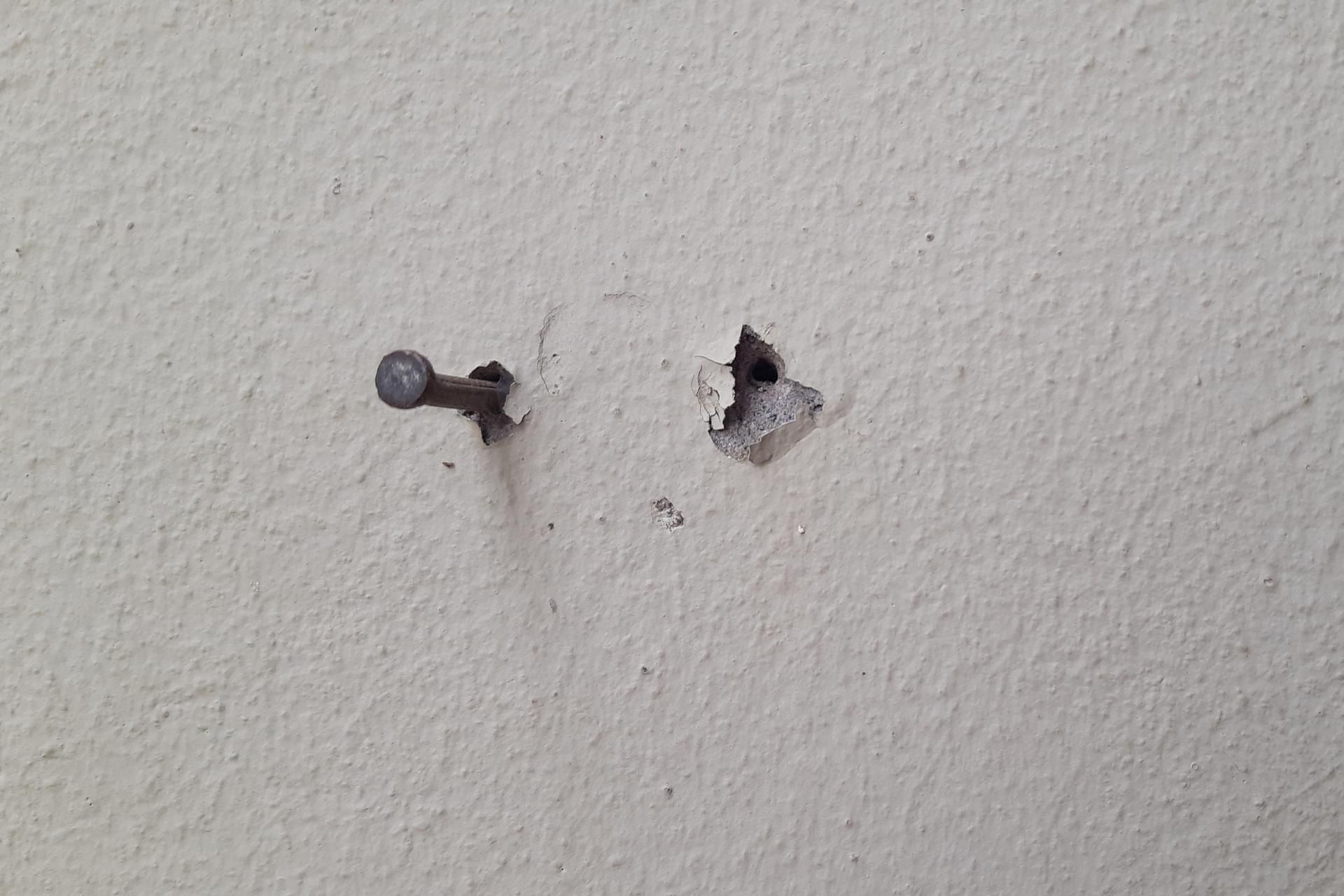
Two wall anchors and a screw in a white textured wall, with one anchor hole damaged
By Jeff Hendricks • October 8, 2026
Find out how to touch up paint and fill nail holes like a pro. These easy home repair tips can help restore your walls and create a clean, finished appearance.
By Jeff Hendricks • September 27, 2026
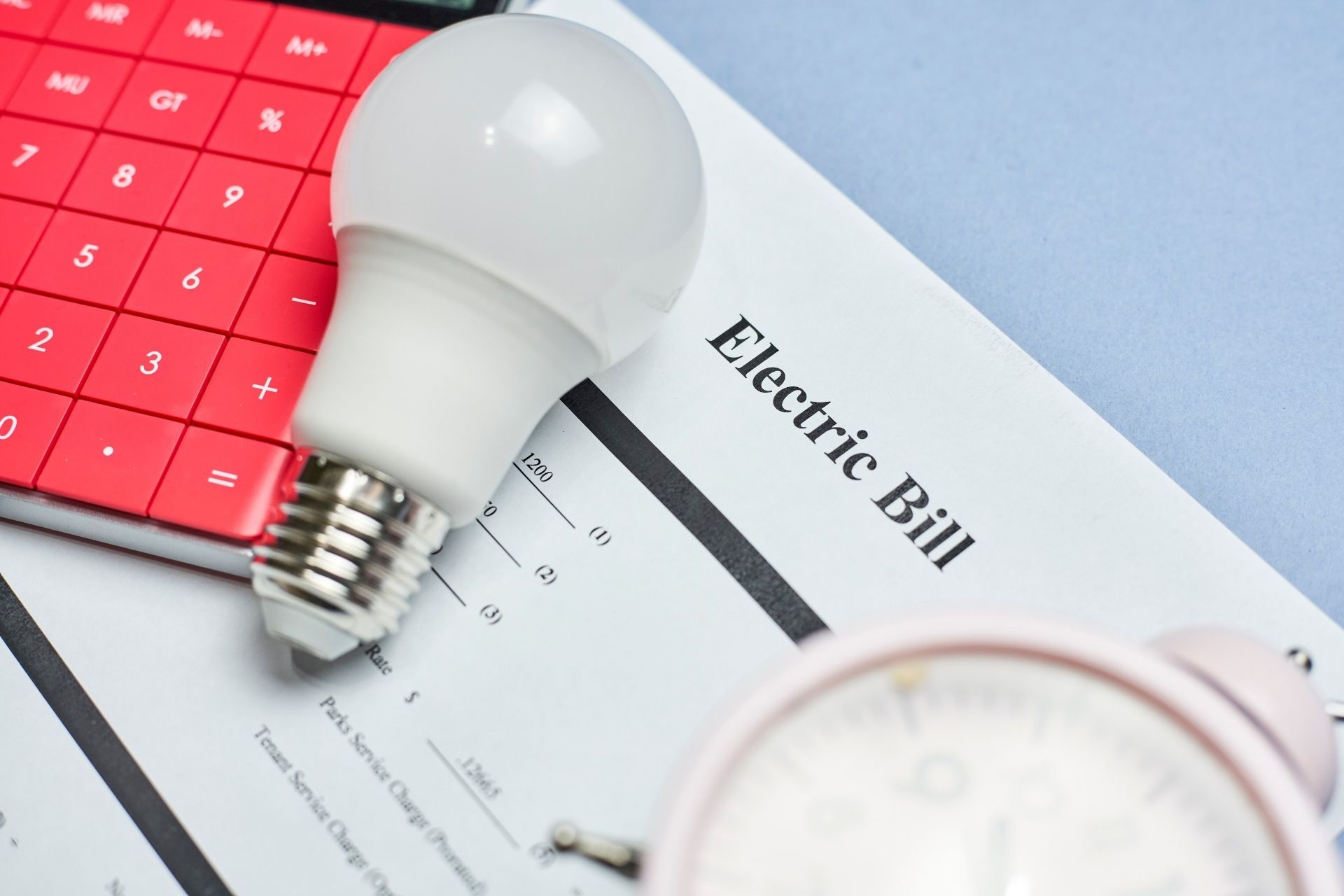
Your energy bill is something you probably see every month, but it can sometimes be confusing. Understanding what you are paying for can help you manage your energy use and find ways to lower your monthly costs.
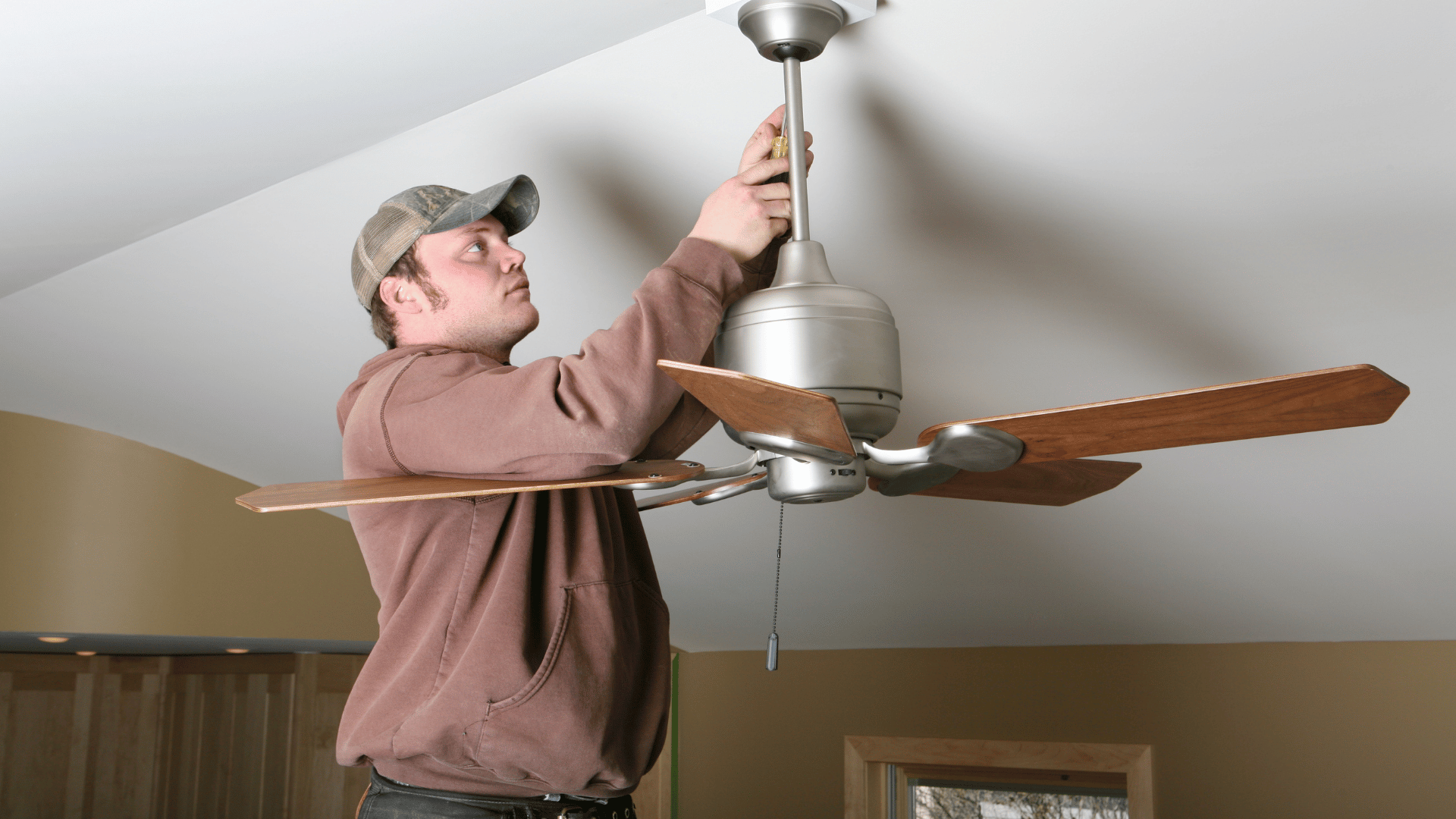
Man installing a ceiling fan with a screwdriver in a living room
By Jeff Hendricks • August 25, 2026
Simple ceiling fan maintenance tips to help you remove dust, check loose parts, balance the blades, and keep your fan working properly.

Man installing a white ceiling fan with wood blades on a ceiling indoors.
By Jeff Hendricks • August 19, 2026
Learn to save energy at home with ceiling fan tips. Adjust settings for comfort & efficiency. Contact us for expert real estate advice!

Caulking a white window frame with a sealant gun near a bright window
By Jeff Hendricks • August 11, 2026
Learn how to block drafts in old homes with simple, affordable tips. Seal air leaks, improve comfort, lower energy bills, and keep your home warm in winter and cool in summer.
Hand pressing a blue button on a wall-mounted video intercom panel
By Jeff Hendricks • August 4, 2026
Discover practical tips for reducing heating and cooling costs. Learn simple ways to improve energy efficiency, lower utility bills, and keep your home comfortable all year long.
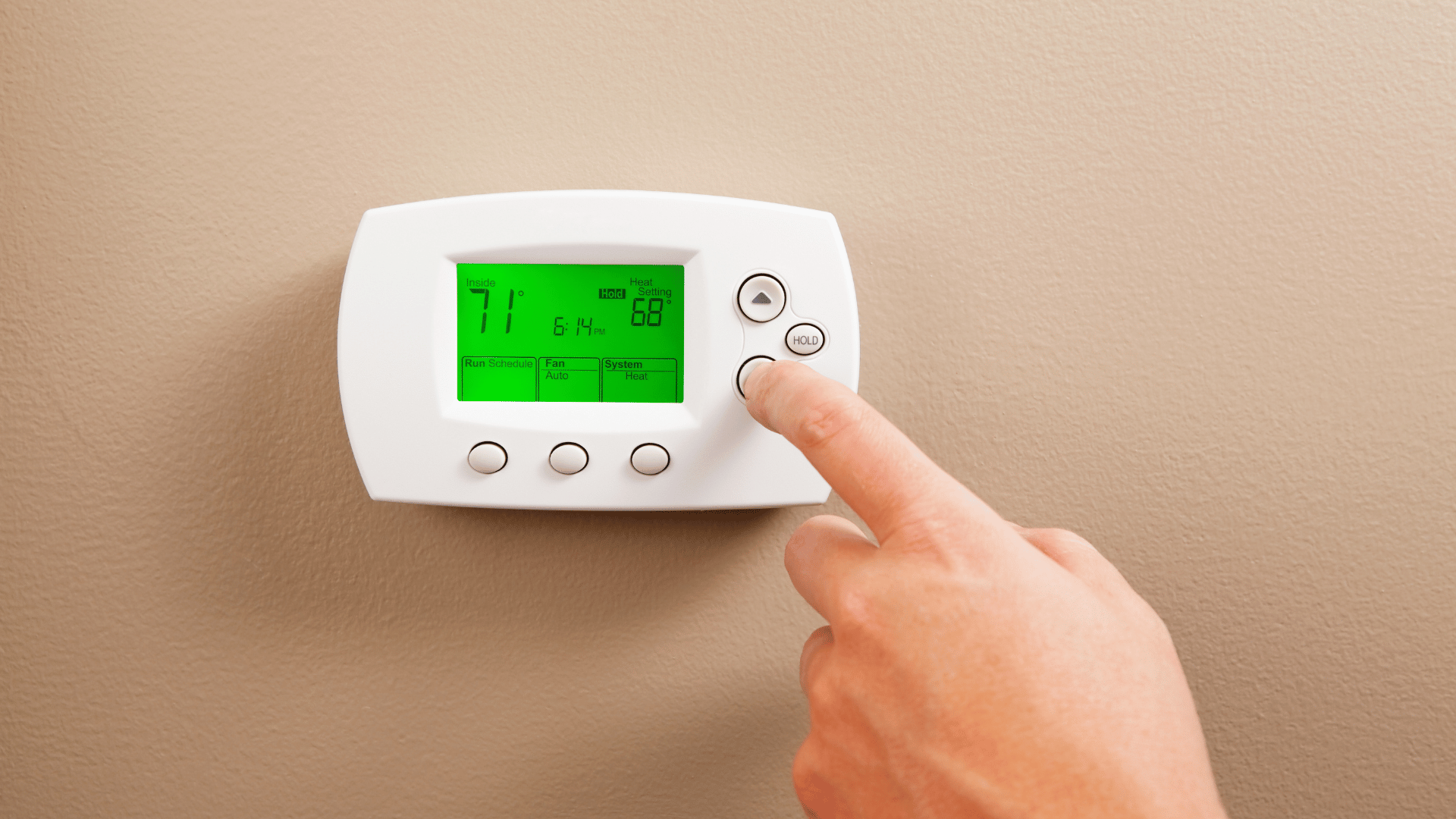
Hand pressing buttons on a white wall thermostat with a green digital display
By Jeff Hendricks • July 26, 2026
Discover how to install a programmable thermostat safely and correctly. Follow this easy guide to improve energy efficiency and reduce heating and cooling costs.
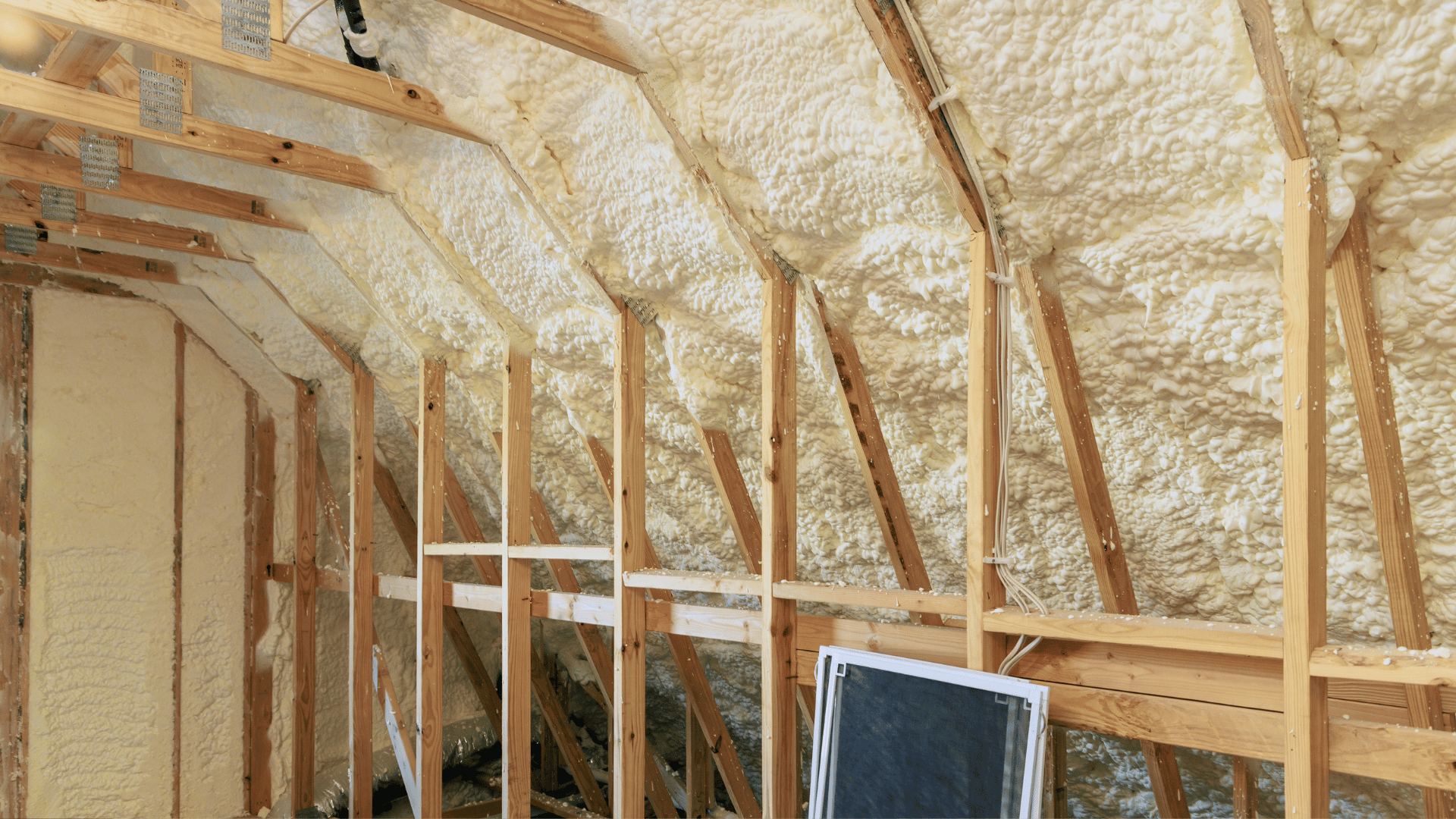
Insulated attic framing with exposed wooden studs and spray foam along the roof and walls
By Jeff Hendricks • July 20, 2026
Discover the benefits of adding attic insulation. Save energy, lower utility bills, improve home comfort, and increase your home's value year-round.