


How to inspect your roof for damage
Jeff Hendricks • September 12, 2025
Worker in a high-visibility vest applying sealant along the floor-wall seam in a room.

Your roof does far more than simply sit on top of your house—it’s the first line of defense against rain, wind, heat, and everything nature throws your way. Protecting your family, your belongings, and the structure itself, this vital shield takes a beating over time. Left unchecked, small issues can snowball into expensive repairs. That’s why regular roof inspections aren’t just a chore—they’re an investment in your home’s future. With a careful eye, you can spot trouble early, schedule repairs, and stretch the lifespan of your roof.

Safety Comes First

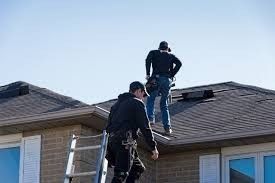
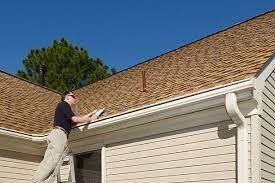
Before you think about climbing a ladder, pause. Is your roof steep? Slick? Higher than you feel comfortable with? If so, don’t risk it. A pair of binoculars from the ground can tell you plenty. If you do need to go up, make safety your priority: secure ladder, slip-resistant shoes, and always have someone nearby. And remember—when in doubt, leave it to a professional roofing contractor. They’re trained, equipped, and far better suited for hazardous inspections.

Signs to Look for Outside

The roof’s exterior tells the clearest story. Take a slow, deliberate scan and watch for these red flags:


Missing or Damaged Shingles: Cracks, curls, or bald patches expose your home to leaks. Check your gutters too—granules from asphalt shingles often collect there.

  • Sagging Roofline: A dip or uneven section could signal trapped moisture or structural strain.
  • Flashing Failures: Around chimneys, vents, and skylights, broken or loose flashing is an open door for leaks.
  • Moss & Algae: Green growth may look harmless, but it locks in moisture and accelerates decay.
  • Gutters & Downspouts: Clogs or excess shingle granules are a warning sign of material breakdown.
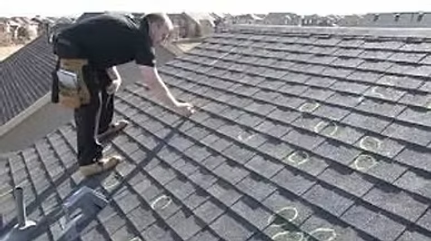
Person inspecting roof shingles with a tool on a sloped house roof.

Don’t Forget the Inside

Some of the most telling evidence hides indoors, especially in your attic:

  1. Water Stains: Brown blotches on ceilings or walls mean water is sneaking in.
  2. Damp Wood or Insulation: Any moisture up top should raise an immediate alarm.
  3. Daylight Gaps: If sunlight slips through, water—and pests—can too.

After the Storm

Wind, hail, and heavy rain wreak havoc more often than you realize. After severe weather, always give your roof a quick once-over. Look for dented metal vents, missing shingles, or loosened flashing. Even what seems like “minor” hail damage can shorten a roof’s life, so don’t delay scheduling roof maintenance if something looks off.

A Seasonal Habit

Make inspections a routine, not a reaction. Twice a year—spring and fall—are perfect checkpoints. This way you’ll catch winter’s damage before summer’s heat sets in, and vice versa.

When to Bring in the Pros

There’s DIY, and then there’s knowing when to call it quits. If you spot sagging, major shingle loss, or persistent leaks, it’s time for a professional roofing contractor. They can run a full assessment, recommend repairs, or advise if replacement is the smarter path.


Your roof doesn’t just cover your home—it safeguards everything beneath it. Staying proactive with inspections helps you catch the little problems before they drain your wallet. Whether you do a quick check yourself or lean on the experts, one thing’s certain: a well-maintained roof today means a safe, dry, and protected home tomorrow.

Thanks Jeff Hendricks

Person inspecting roof shingles with a tool on a sloped house roof.
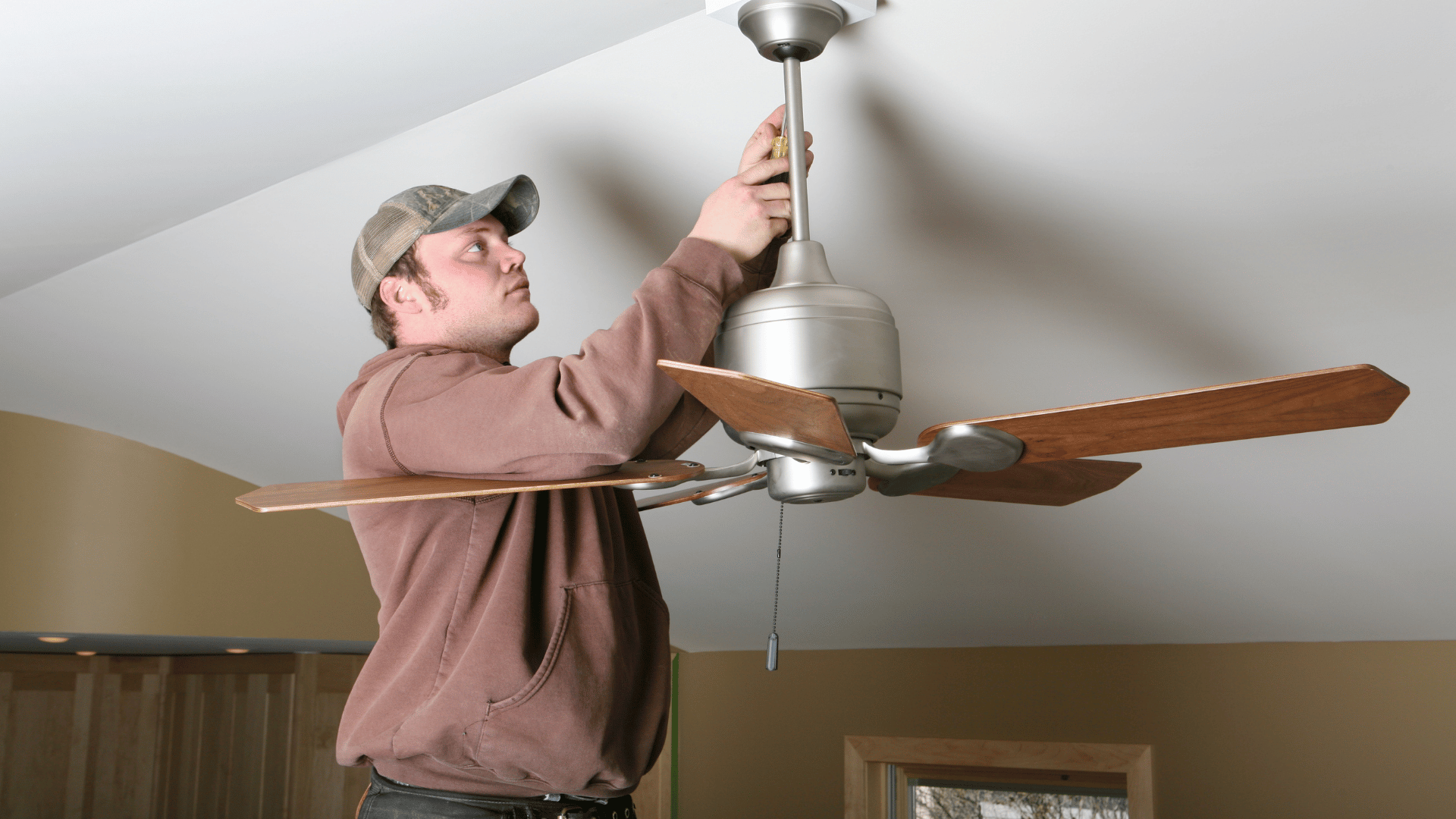
Man installing a ceiling fan with a screwdriver in a living room
By Jeff Hendricks August 25, 2026
Simple ceiling fan maintenance tips to help you remove dust, check loose parts, balance the blades, and keep your fan working properly.

Man installing a white ceiling fan with wood blades on a ceiling indoors.
By Jeff Hendricks August 19, 2026
Learn to save energy at home with ceiling fan tips. Adjust settings for comfort & efficiency. Contact us for expert real estate advice!

Caulking a white window frame with a sealant gun near a bright window
By Jeff Hendricks August 11, 2026
Learn how to block drafts in old homes with simple, affordable tips. Seal air leaks, improve comfort, lower energy bills, and keep your home warm in winter and cool in summer.
Hand pressing a blue button on a wall-mounted video intercom panel
By Jeff Hendricks August 4, 2026
Discover practical tips for reducing heating and cooling costs. Learn simple ways to improve energy efficiency, lower utility bills, and keep your home comfortable all year long.
Hand pressing buttons on a white wall thermostat with a green digital display
By Jeff Hendricks July 26, 2026
Discover how to install a programmable thermostat safely and correctly. Follow this easy guide to improve energy efficiency and reduce heating and cooling costs.
Insulated attic framing with exposed wooden studs and spray foam along the roof and walls
By Jeff Hendricks July 20, 2026
Discover the benefits of adding attic insulation. Save energy, lower utility bills, improve home comfort, and increase your home's value year-round.
Person kneeling by a window, applying red caulk to the sill inside a room.
By Jeff Hendricks July 15, 2026
How to seal entry points to prevent pests by finding and closing cracks, gaps, and holes around your home. Learn simple, effective tips to keep insects and rodents outside and protect your home year-round.
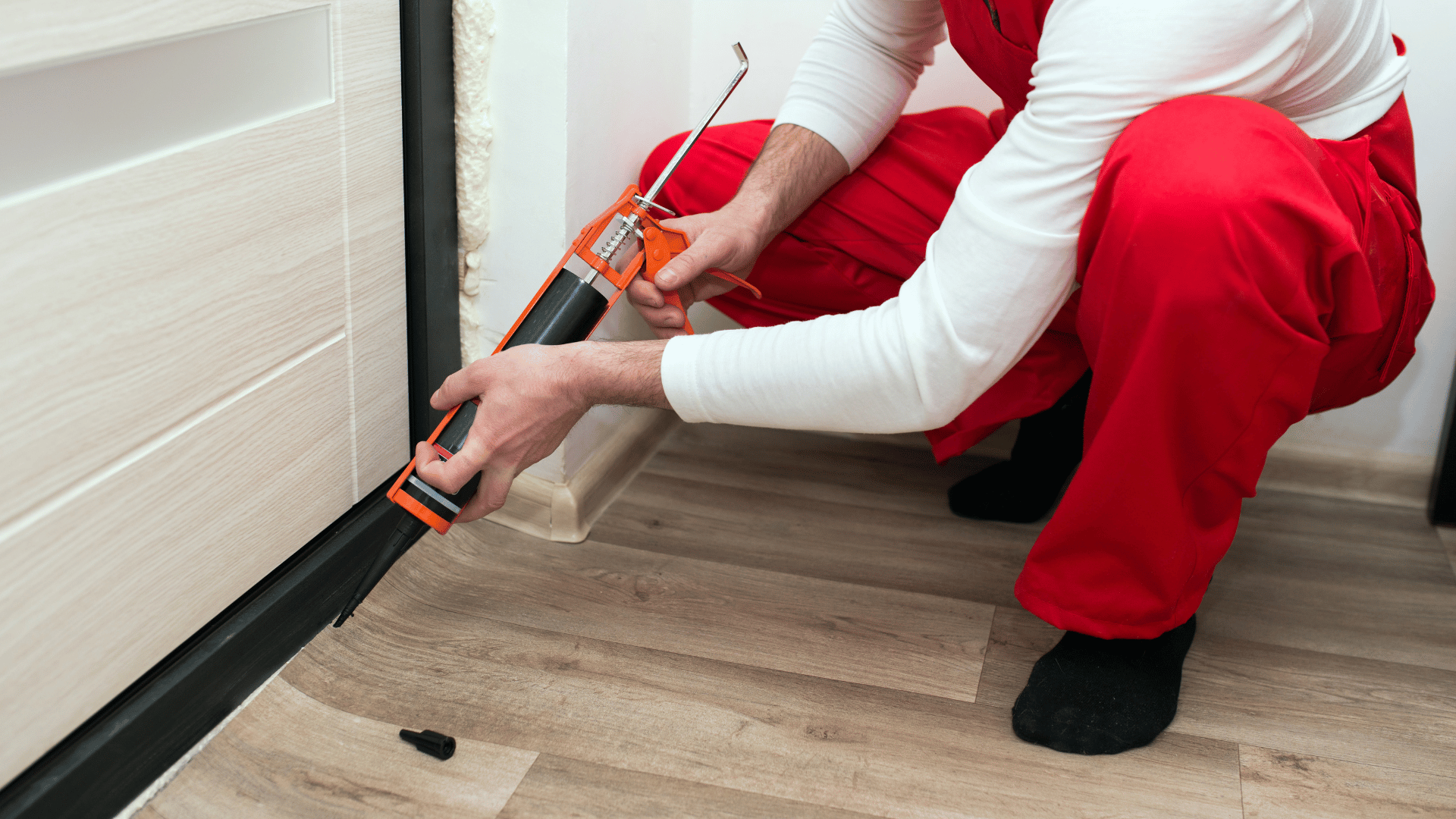
Person in red pants and white shirt applying sealant along a floor baseboard with a caulking gun
By Jeff Hendricks July 12, 2026
Learn how to weatherstrip doors and windows to stop drafts, improve energy efficiency, lower utility bills, and keep your home more comfortable all year long.

Spider on a web against a dark background
By Jeff Hendricks July 1, 2026
How to control spiders in basements and garages with simple and effective tips. Learn how cleaning, sealing entry points, and reducing clutter can help keep your basement and garage spider-free.
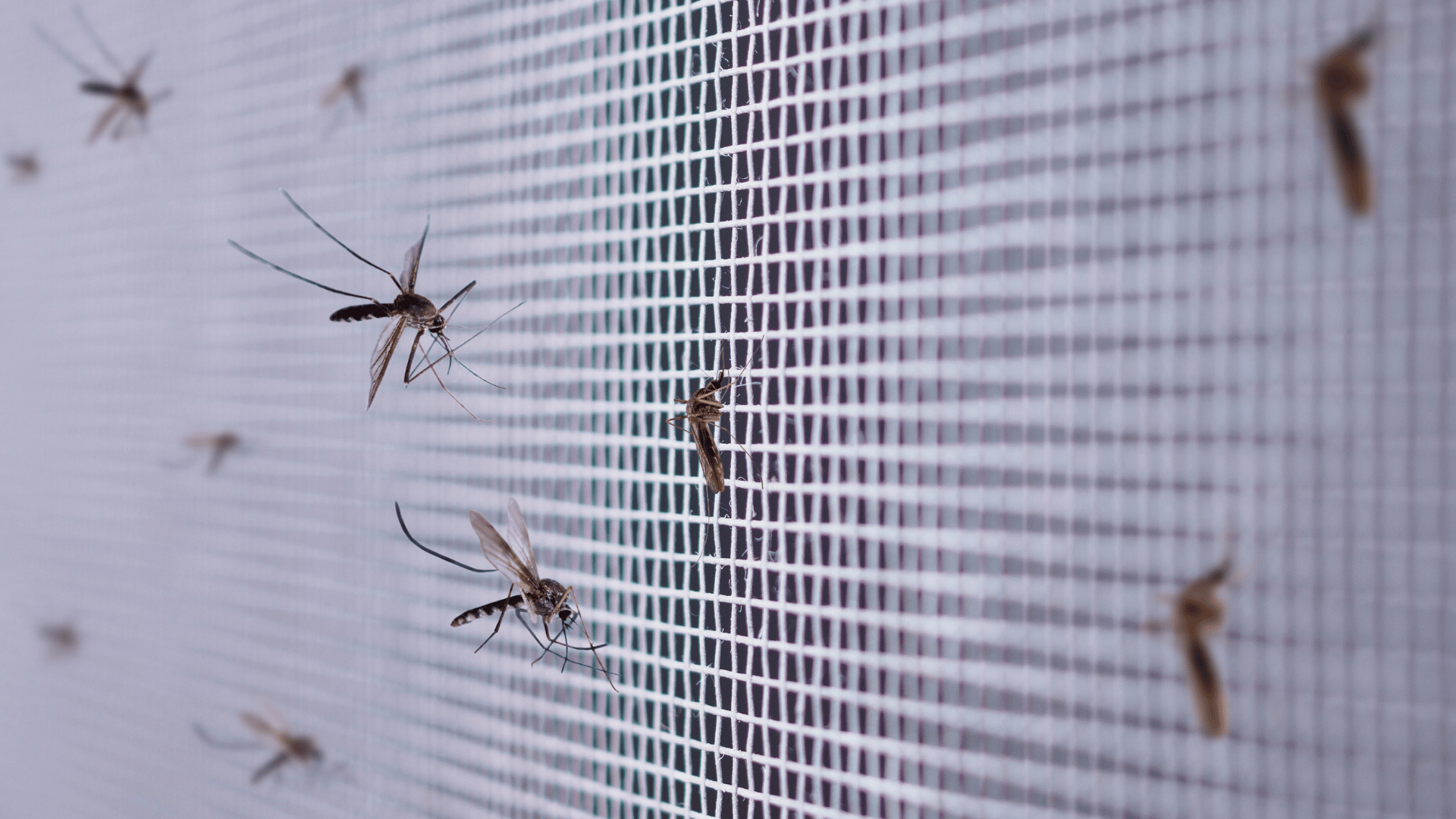
Mosquitoes resting on a white window screen, seen in close-up.
By Jeff Hendricks June 24, 2026
Dealing with Mosquitoes in Your Yard starts with removing standing water and maintaining your landscape. Learn simple, effective ways to reduce mosquitoes and enjoy a safer, more comfortable outdoor space.