




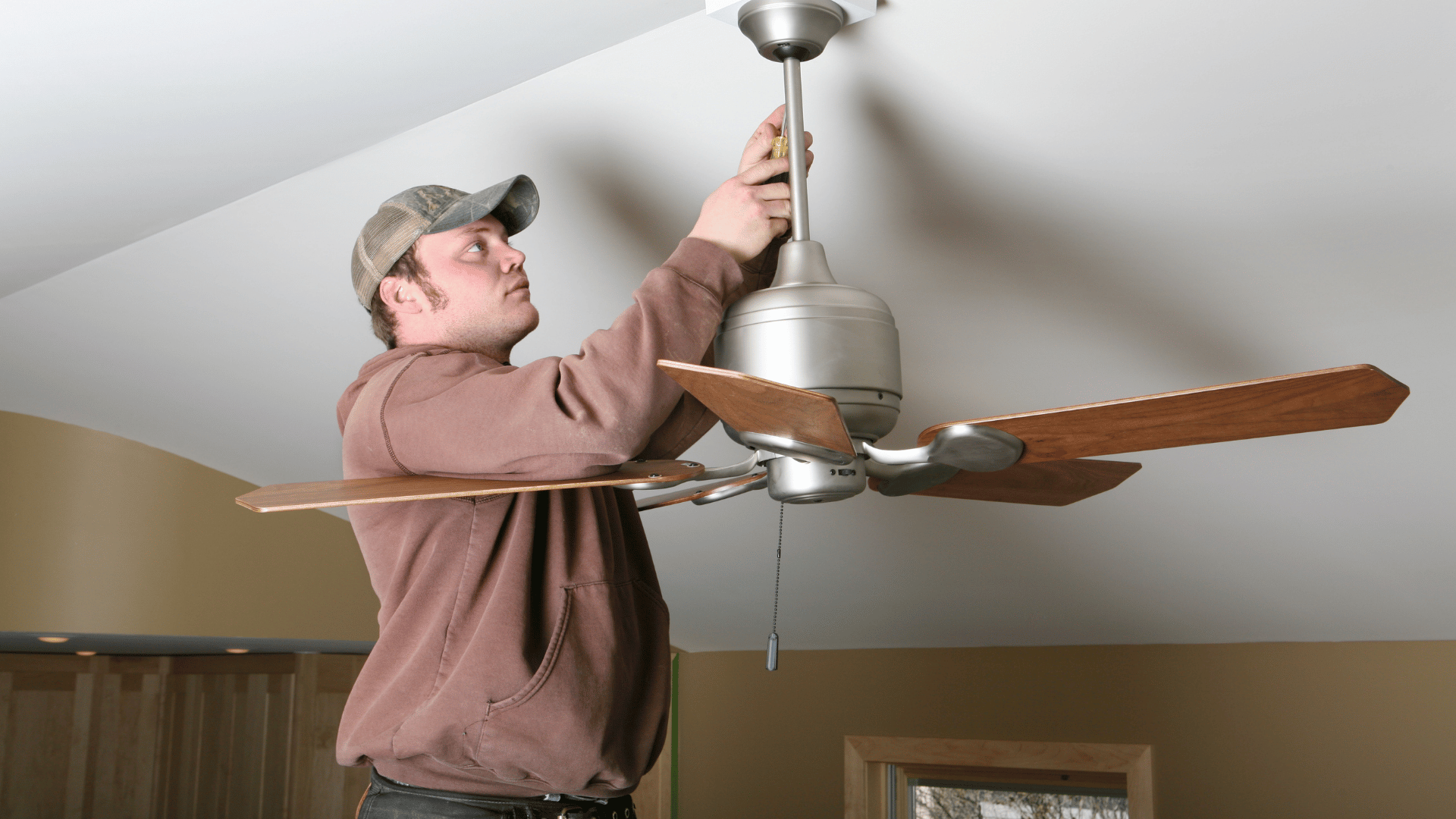
How to inspect and caulk windows and doors
Jeff Hendricks • October 18, 2025
Two people scrubbing a wooden deck with green gloves and brushes

A cozy, efficient home doesn’t just happen—it’s maintained. One of the most overlooked yet crucial parts of that maintenance? The humble seal around your windows and doors. Over time, caulk dries out, cracks, or even peels away entirely, opening tiny gaps that let in cold drafts, unwanted moisture, and even insects. Luckily, keeping these troublemakers out is easier than you think. With a careful inspection and a fresh bead of caulk, you can instantly boost your home’s comfort, efficiency, and curb appeal. Let’s break down how to do it right.

Step 1: Examine Every Seal with Care

Start by walking around your home, inside and out. Look closely where the window or door frame meets the wall or siding. Do you see cracks? Gaps? Flaking or missing caulk? Those are clear red flags. Corners and lower edges usually show the first signs of wear—water likes to settle there.

Step 2: Remove the Old Caulk—Completely

Before you can seal again, you need a clean slate. Use a utility knife or a caulk removal tool to scrape off all the old material. Take your time—being gentle prevents damage to the frame or siding. Once everything’s cleared away, wash the area with mild soap and water to remove any grime, mildew, or dust. Let it dry fully. Remember: moisture is the enemy of adhesion.

Step 3: Pick the Right Type of Caulk

Not all caulks are created equal. For exterior use, go with something strong and weatherproof—silicone, polyurethane, or a high-quality paintable latex-silicone hybrid. Silicone offers unbeatable durability and waterproofing for outdoor conditions. Indoors, latex caulk is your best friend: easy to apply, simple to clean, and ready for paint once dry.

Step 4: Apply Like a Pro

Cut the tip of your caulk tube at a 45-degree angle—small enough to match the gap width. Load it into your caulking gun and apply steady pressure as you glide along the joint. Keep the motion smooth and continuous; avoid stopping mid-line.


Once applied, smooth the bead immediately using your finger or a finishing tool. This helps the caulk settle evenly into the seam and creates a clean, polished finish. Wipe away any extra before it starts to dry.

Man caulking a window sill with a caulk gun beside a white window frame

Step 5: Let It Cure

Patience pays off here. Most caulks need about 24 hours to fully cure, though it’s best to check the product label. Avoid exposing the area to moisture during that time. When it’s set, inspect your handiwork—no gaps, no bubbles, just a neat, watertight seal.


Inspect and re-caulk your windows and doors once a year, ideally before cold weather or heavy rains arrive. It’s a simple task that prevents expensive damage, saves energy, and keeps your home looking sharp.


A few hours of effort today can spare you a world of discomfort tomorrow—no drafts, no leaks, just peace of mind and a cozier, more efficient home.


Thanks for reading! I’m Jeff Hendricks, your trusted Realtor, here to share practical home care and real estate insights that make a difference.

Man installing a ceiling fan with a screwdriver in a living room
By Jeff Hendricks August 25, 2026
Simple ceiling fan maintenance tips to help you remove dust, check loose parts, balance the blades, and keep your fan working properly.

Man installing a white ceiling fan with wood blades on a ceiling indoors.
By Jeff Hendricks August 19, 2026
Learn to save energy at home with ceiling fan tips. Adjust settings for comfort & efficiency. Contact us for expert real estate advice!

Caulking a white window frame with a sealant gun near a bright window
By Jeff Hendricks August 11, 2026
Learn how to block drafts in old homes with simple, affordable tips. Seal air leaks, improve comfort, lower energy bills, and keep your home warm in winter and cool in summer.

Hand pressing a blue button on a wall-mounted video intercom panel
By Jeff Hendricks August 4, 2026
Discover practical tips for reducing heating and cooling costs. Learn simple ways to improve energy efficiency, lower utility bills, and keep your home comfortable all year long.

Hand pressing buttons on a white wall thermostat with a green digital display
By Jeff Hendricks July 26, 2026
Discover how to install a programmable thermostat safely and correctly. Follow this easy guide to improve energy efficiency and reduce heating and cooling costs.
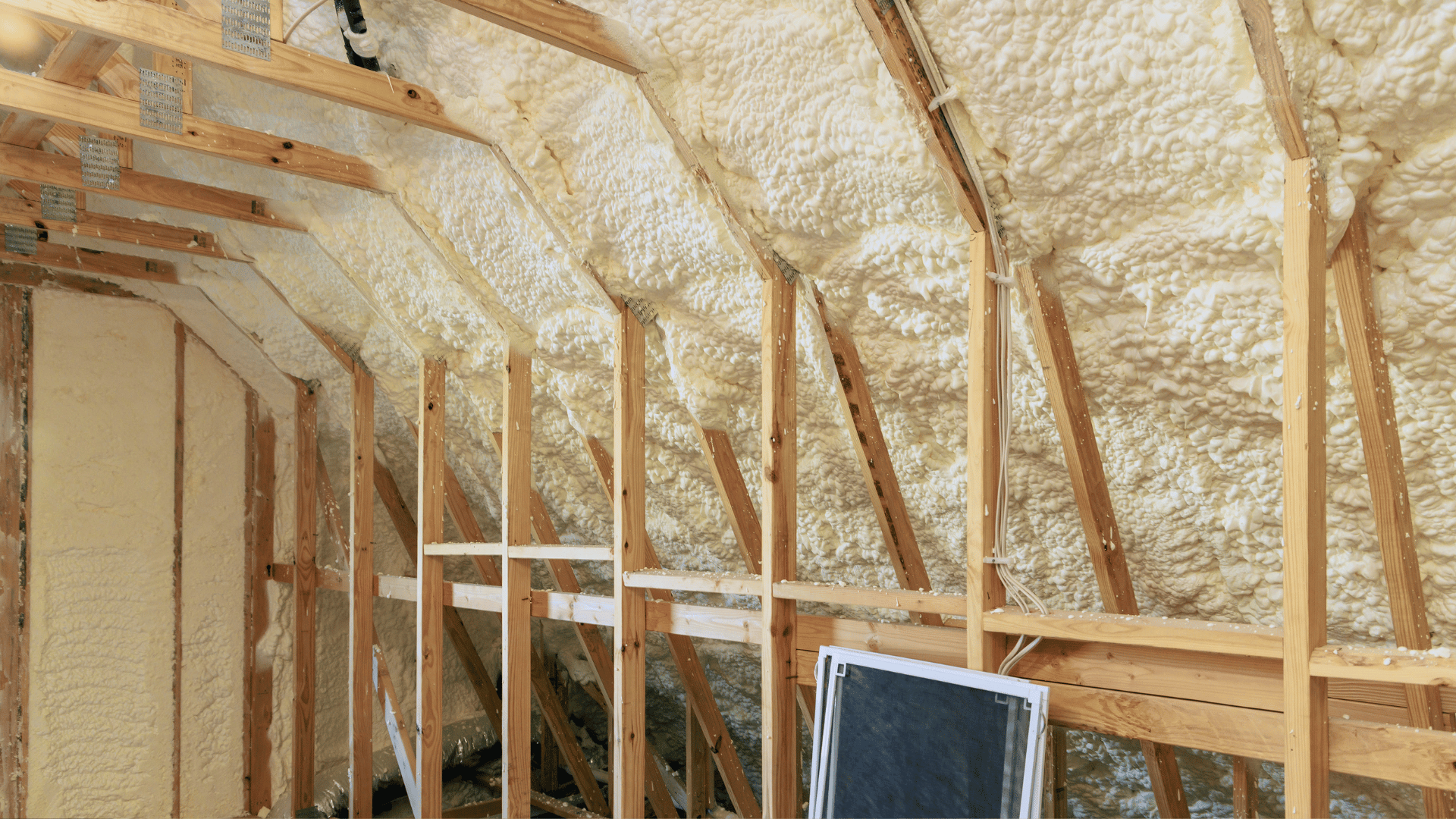
Insulated attic framing with exposed wooden studs and spray foam along the roof and walls
By Jeff Hendricks July 20, 2026
Discover the benefits of adding attic insulation. Save energy, lower utility bills, improve home comfort, and increase your home's value year-round.
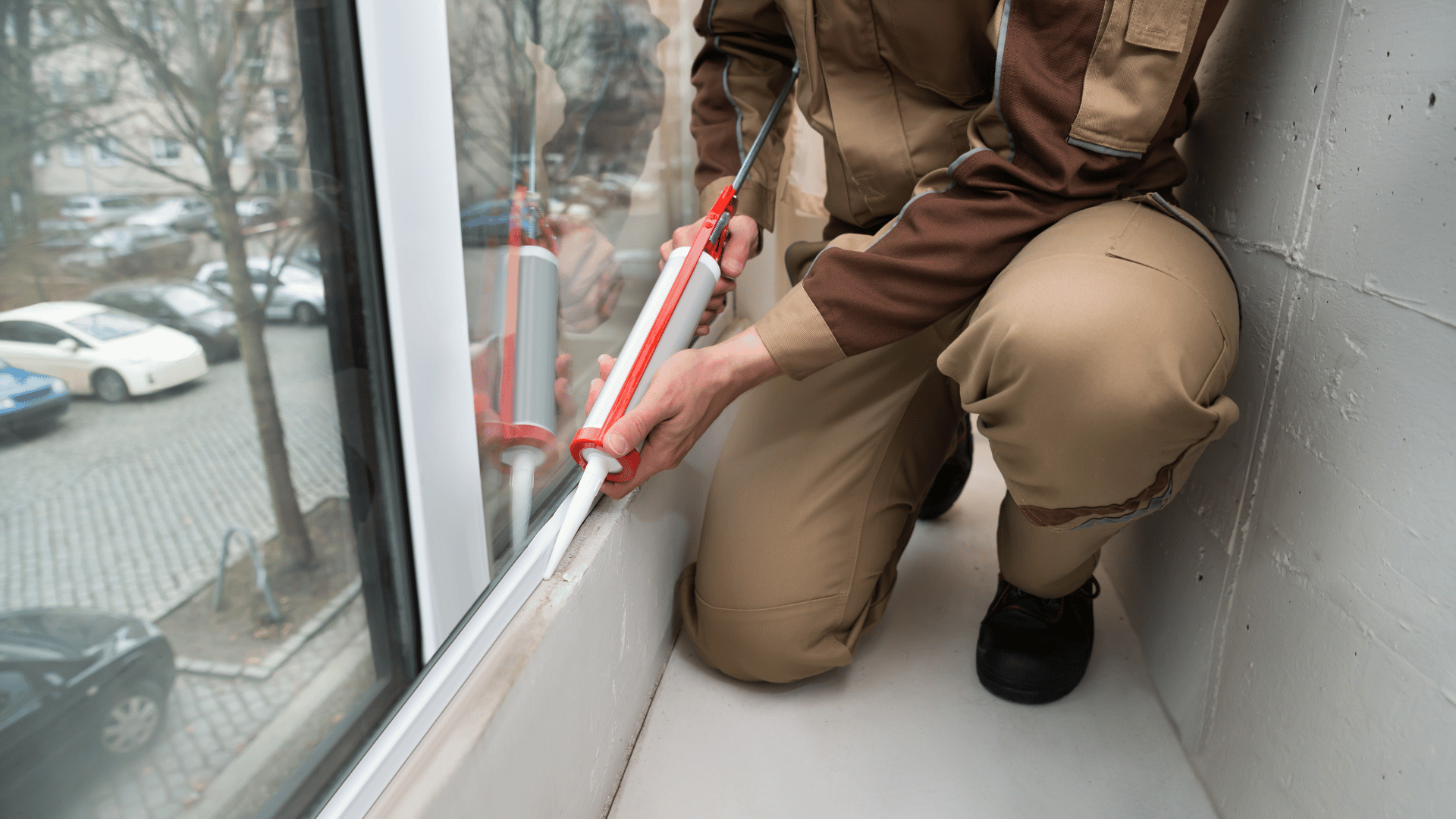
Person kneeling by a window, applying red caulk to the sill inside a room.
By Jeff Hendricks July 15, 2026
How to seal entry points to prevent pests by finding and closing cracks, gaps, and holes around your home. Learn simple, effective tips to keep insects and rodents outside and protect your home year-round.
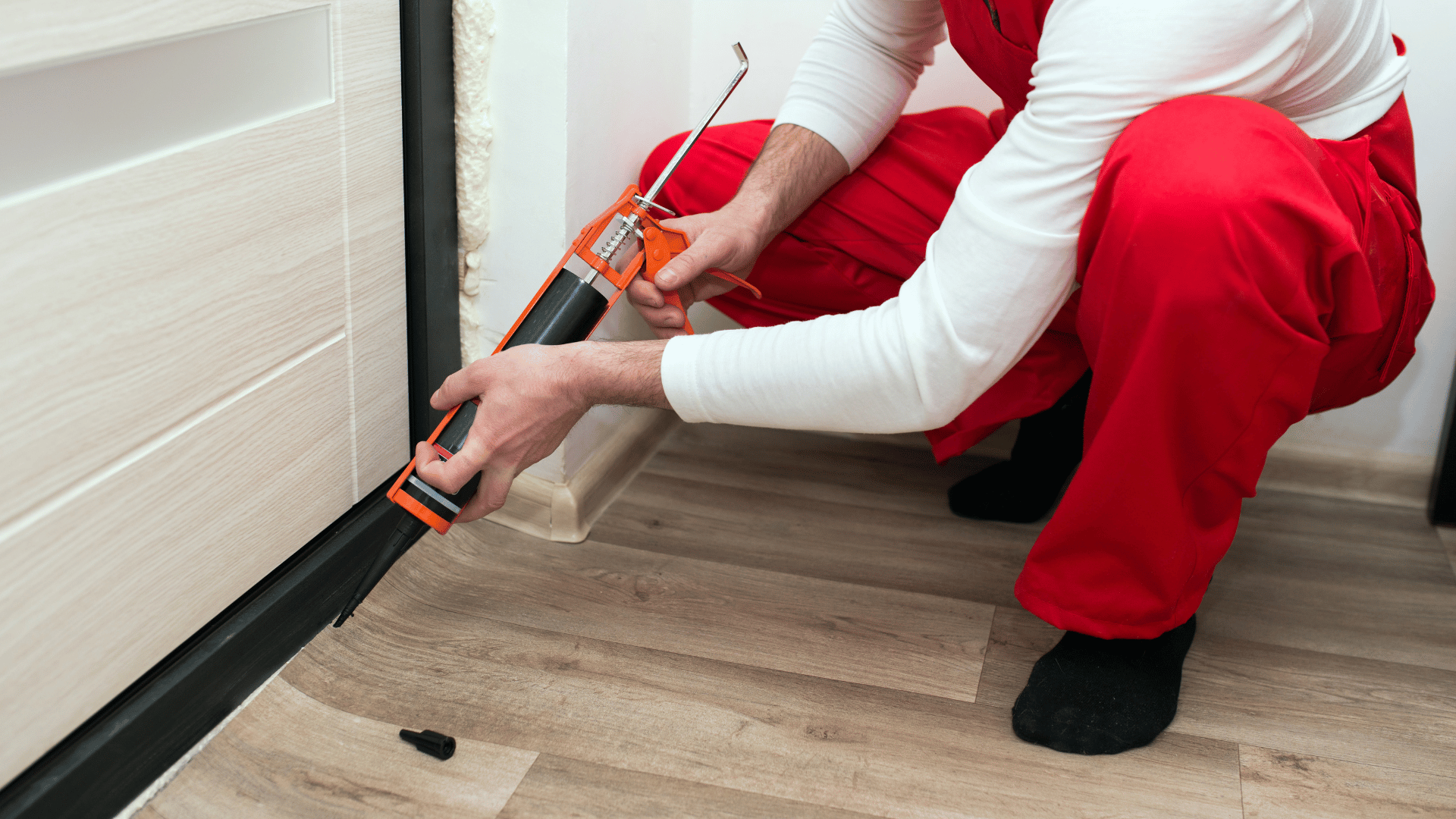
Person in red pants and white shirt applying sealant along a floor baseboard with a caulking gun
By Jeff Hendricks July 12, 2026
Learn how to weatherstrip doors and windows to stop drafts, improve energy efficiency, lower utility bills, and keep your home more comfortable all year long.

Spider on a web against a dark background
By Jeff Hendricks July 1, 2026
How to control spiders in basements and garages with simple and effective tips. Learn how cleaning, sealing entry points, and reducing clutter can help keep your basement and garage spider-free.

Mosquitoes resting on a white window screen, seen in close-up.
By Jeff Hendricks June 24, 2026
Dealing with Mosquitoes in Your Yard starts with removing standing water and maintaining your landscape. Learn simple, effective ways to reduce mosquitoes and enjoy a safer, more comfortable outdoor space.