

How to Increase Low Water Pressure
Jeff Hendricks • December 12, 2025
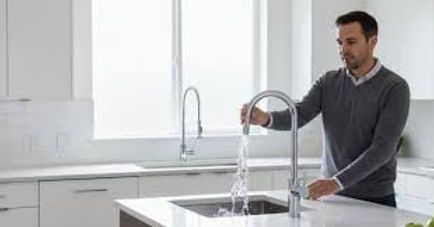
Man in a gray sweater washing hands at a kitchen sink with running water

Few things in a home are as instantly irritating as weak water pressure. One moment you’re expecting a refreshing, full shower spray… and instead you’re greeted with a sad drizzle. Sinks take ages to fill, appliances drag through their cycles, and your daily routine suddenly feels like it’s moving in slow motion. The good news? Low pressure isn’t a life sentence for your plumbing. With a bit of investigation—and a few strategic fixes—you can often get that strong, steady flow back where it belongs.

1. Rule Out Temporary or Local Problems

Before tearing into pipes or replacing fixtures, pause for a moment. Sometimes the culprit isn’t your home at all. Municipal repairs, seasonal water-demand spikes, or scheduled maintenance can cause sudden dips in pressure. It might be as simple as your water company flushing the system. A quick phone call can save you hours of unnecessary troubleshooting and confirm whether the issue is happening across the neighborhood or solely behind your walls.

2. Take a Look at the Main Shut-Off Valve

This one’s surprisingly common: if your main shut-off valve isn’t fully open—even slightly misaligned—it can choke your entire home’s water supply. Locate the valve near the point where water enters your house. Gate valves need a full counterclockwise turn; ball valves should sit parallel to the pipe. A tiny adjustment here can bring an immediate jump in pressure.

3. Clear Out Faucets and Showerheads

Mineral buildup creeps in quietly. Over months or years, calcium deposits slowly clog the tiny openings in showerheads and aerators, strangling water flow. Fortunately, the fix is refreshingly simple:

  1. Remove the aerator or showerhead.
  2. Submerge it in white vinegar for a few hours.
  3. Scrub away loosened debris.
  4. Reinstall and test.


The difference can feel like night and day—sometimes instantly.

4. Hunt for Hidden Leaks

Leaks don’t just waste water; they steal pressure from the places you actually need it. Even minor drips can siphon off flow before it reaches your faucets. Scan your home for damp drywall, mysterious puddles near pipes, moisture under sinks, or an unexplained spike in your water bill. If something looks off, address it quickly—either DIY or with professional help.

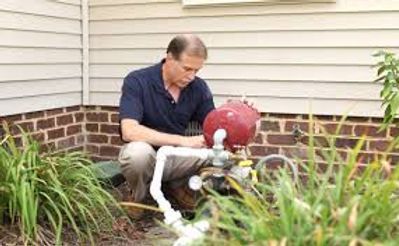
5. Evaluate the Pressure Regulator

If your home has a pressure regulator, it usually sits near the main water line and resembles a small bell. When this device malfunctions, it can suppress your water pressure across the entire house. Diagnosing a faulty regulator takes some know-how, and replacing it is best left to a pro, but simply identifying it as the reason behind your weak flow is already half the battle.

6. Flush the Water Heater

Hot-water pressure dropping? Your water heater might be full of sediment. Over time, minerals settle inside the tank, narrowing pathways and bogging down performance. A yearly flush clears this debris, boosts pressure, and helps your heater last longer.

Man kneels by a small dog outdoors beside a house, with a red kettle grill nearby.

7. Upgrade Old or Corroded Plumbing

In older homes, galvanized pipes are often the hidden villain. They corrode from the inside out, gradually shrinking the available space for water to travel. The result: sluggish pressure everywhere. Replacing these outdated pipes with copper or PEX can transform your system—but because it's a significant project, it’s one to tackle with professional support.

8. Install a Pressure Booster

If geography is working against you—perhaps you live on a hill or far from the municipal source—your home may naturally receive lower PSI. A dedicated pressure booster pump can elevate your water supply into the optimal 40–60 PSI range, giving you the consistent, satisfying flow you’ve been missing.


Thanks for reading! I’m Jeff Hendricks, your trusted Realtor.

Man installing a ceiling fan with a screwdriver in a living room
By Jeff Hendricks August 25, 2026
Simple ceiling fan maintenance tips to help you remove dust, check loose parts, balance the blades, and keep your fan working properly.
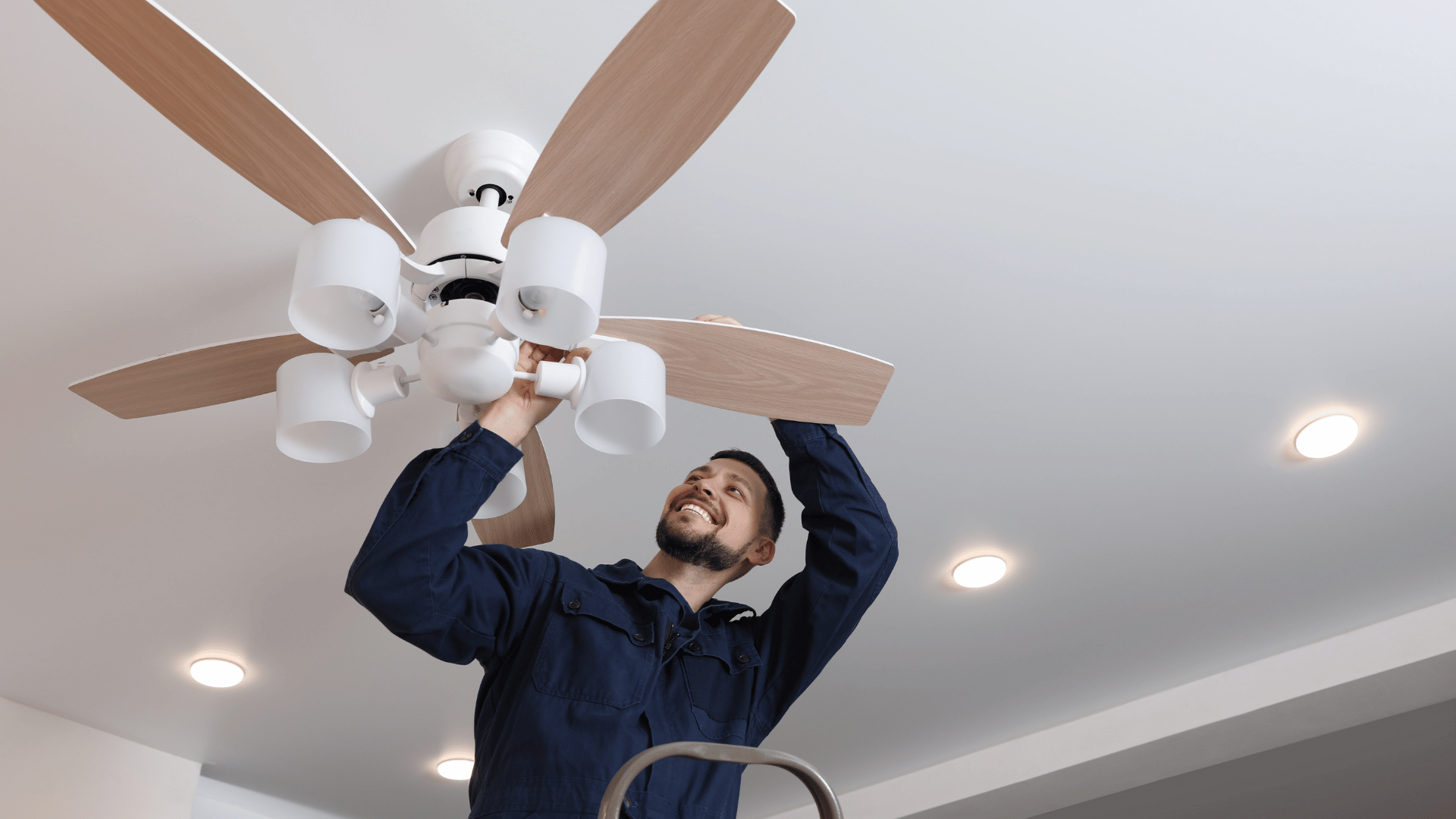
Man installing a white ceiling fan with wood blades on a ceiling indoors.
By Jeff Hendricks August 19, 2026
Learn to save energy at home with ceiling fan tips. Adjust settings for comfort & efficiency. Contact us for expert real estate advice!
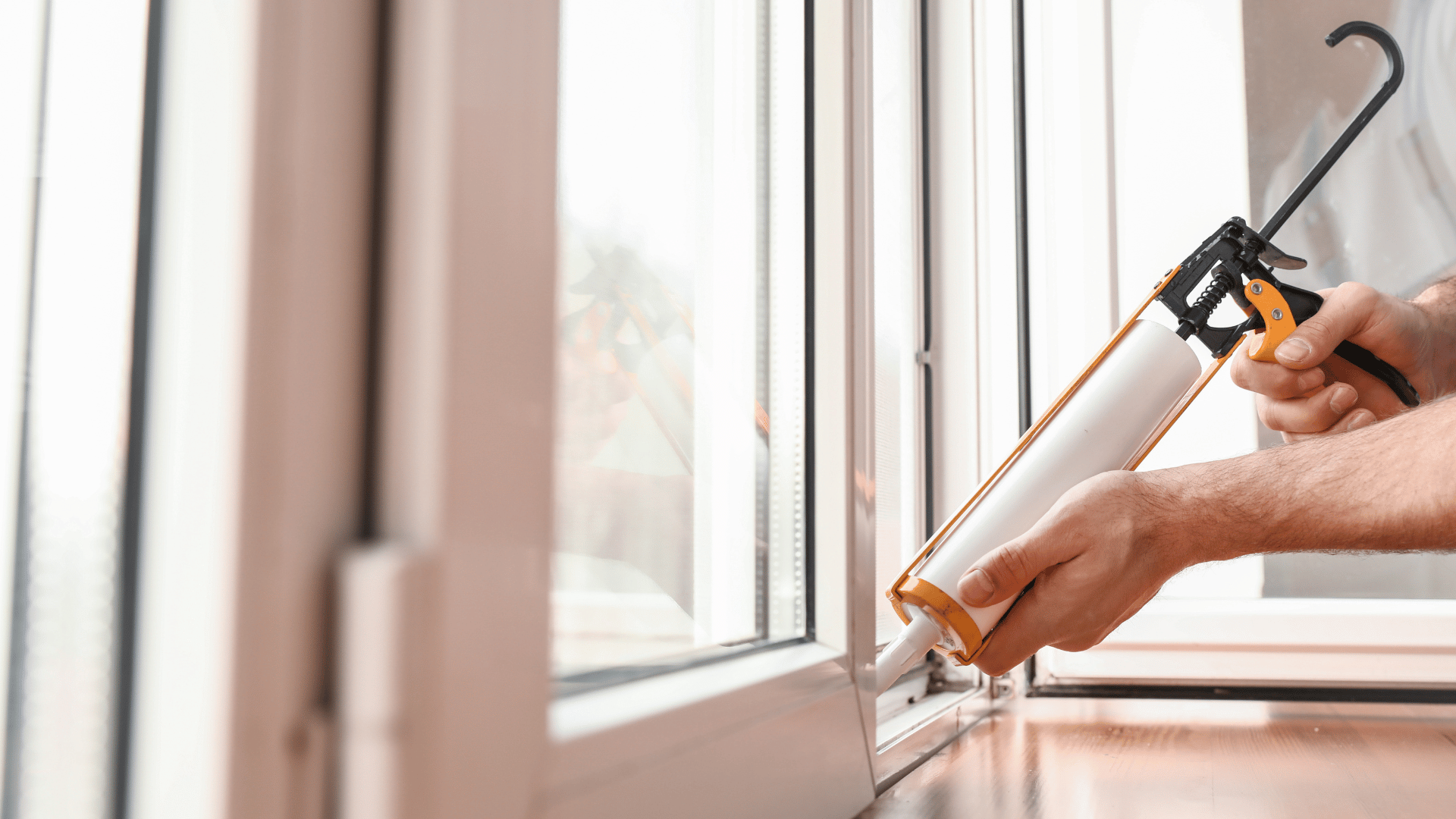
Caulking a white window frame with a sealant gun near a bright window
By Jeff Hendricks August 11, 2026
Learn how to block drafts in old homes with simple, affordable tips. Seal air leaks, improve comfort, lower energy bills, and keep your home warm in winter and cool in summer.
Hand pressing a blue button on a wall-mounted video intercom panel
By Jeff Hendricks August 4, 2026
Discover practical tips for reducing heating and cooling costs. Learn simple ways to improve energy efficiency, lower utility bills, and keep your home comfortable all year long.
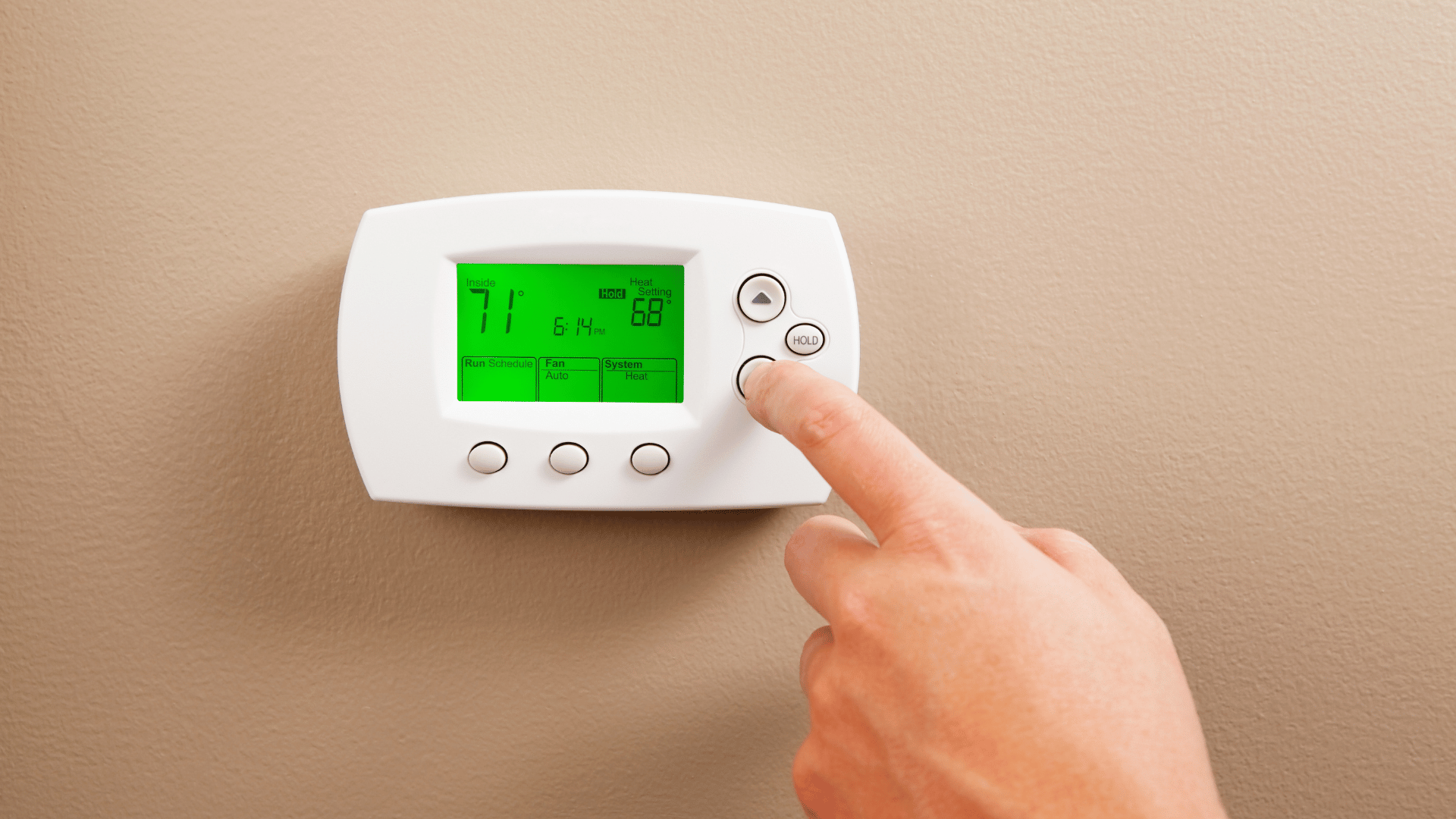
Hand pressing buttons on a white wall thermostat with a green digital display
By Jeff Hendricks July 26, 2026
Discover how to install a programmable thermostat safely and correctly. Follow this easy guide to improve energy efficiency and reduce heating and cooling costs.
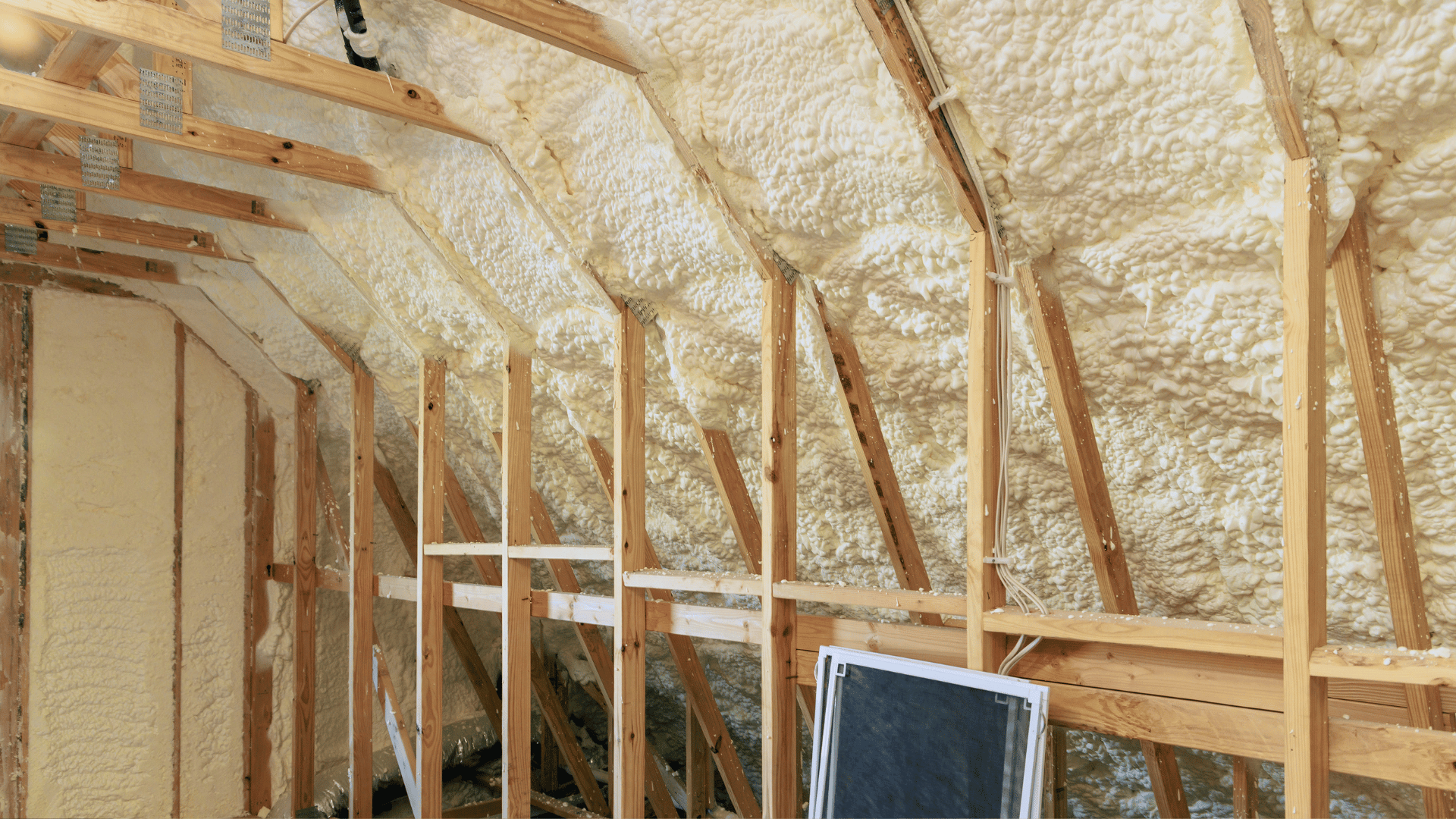
Insulated attic framing with exposed wooden studs and spray foam along the roof and walls
By Jeff Hendricks July 20, 2026
Discover the benefits of adding attic insulation. Save energy, lower utility bills, improve home comfort, and increase your home's value year-round.
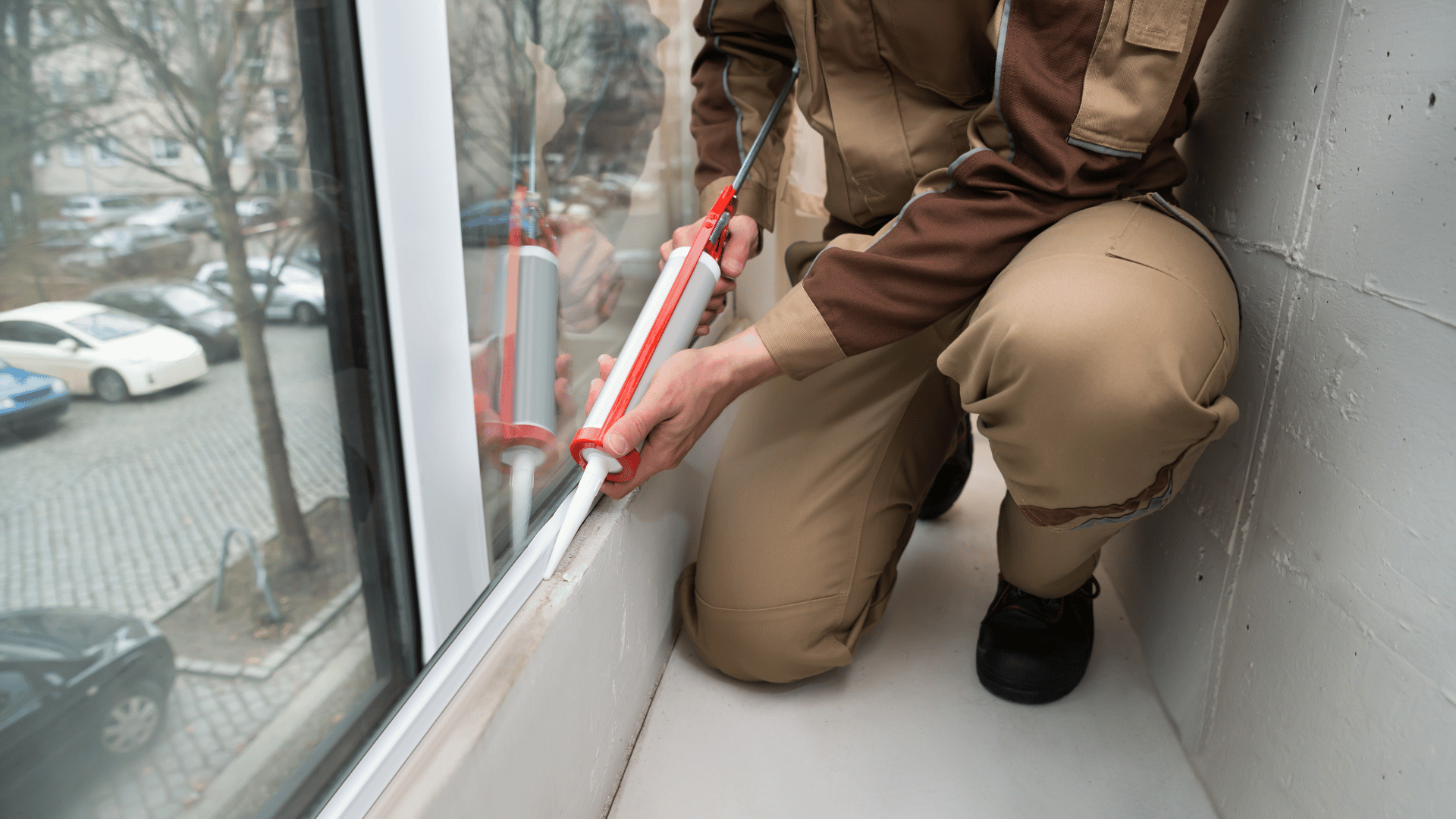
Person kneeling by a window, applying red caulk to the sill inside a room.
By Jeff Hendricks July 15, 2026
How to seal entry points to prevent pests by finding and closing cracks, gaps, and holes around your home. Learn simple, effective tips to keep insects and rodents outside and protect your home year-round.
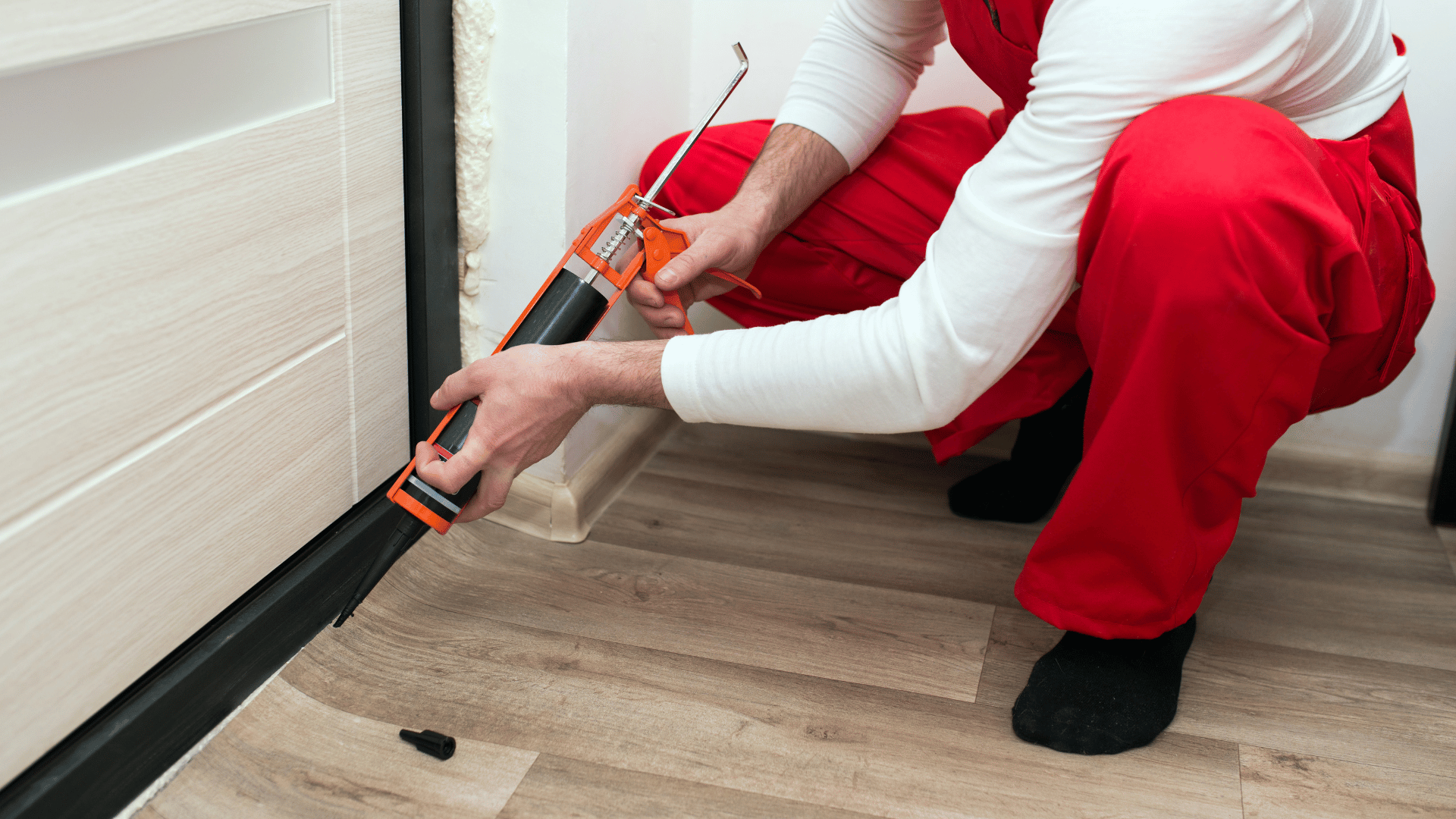
Person in red pants and white shirt applying sealant along a floor baseboard with a caulking gun
By Jeff Hendricks July 12, 2026
Learn how to weatherstrip doors and windows to stop drafts, improve energy efficiency, lower utility bills, and keep your home more comfortable all year long.
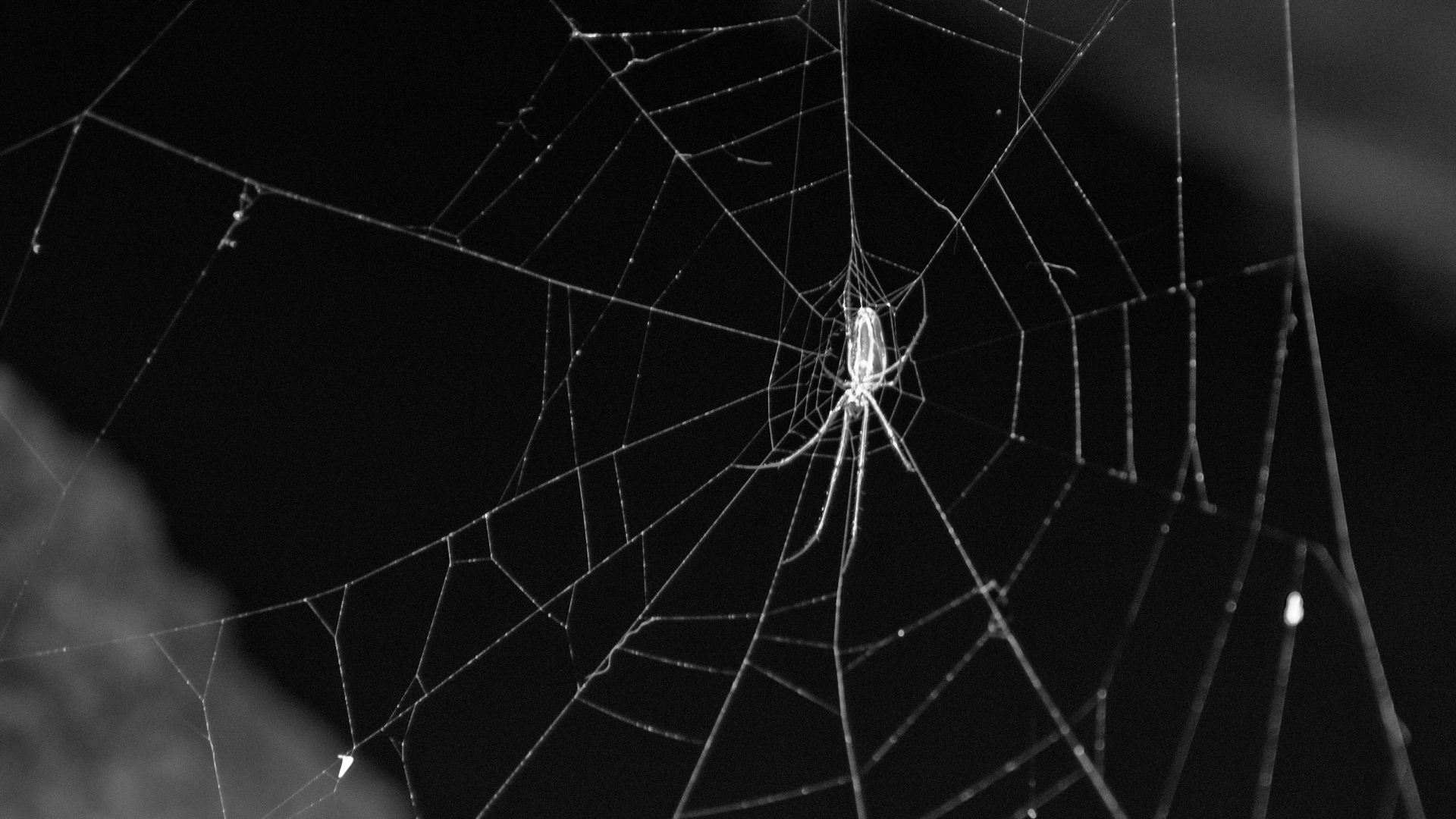
Spider on a web against a dark background
By Jeff Hendricks July 1, 2026
How to control spiders in basements and garages with simple and effective tips. Learn how cleaning, sealing entry points, and reducing clutter can help keep your basement and garage spider-free.
Mosquitoes resting on a white window screen, seen in close-up.
By Jeff Hendricks June 24, 2026
Dealing with Mosquitoes in Your Yard starts with removing standing water and maintaining your landscape. Learn simple, effective ways to reduce mosquitoes and enjoy a safer, more comfortable outdoor space.