
Clearing Slow Drains Without Harsh Chemicals: Safe, Effective, and Eco-Friendly Solutions
- Jeff Hendricks

- Nov 14, 2025
- 3 min read
Few household annoyances are as frustrating as a slow drain. Whether it’s the kitchen sink taking forever to empty or the shower basin filling up with water, the problem often sneaks up on you and can quickly become a nuisance. Many people immediately reach for store-bought chemical drain cleaners, but these products can be harsh on your plumbing, harmful to the environment, and dangerous to handle. Fortunately, there are safe, natural, and effective ways to clear slow drains without using harsh chemicals.
Understanding the Cause of Slow Drains
Before you fix the problem, it helps to know what’s causing it. In most cases, slow drains result from a gradual buildup of soap scum, grease, food particles, or hair. In the kitchen, fats and oils often solidify in the pipes, trapping debris over time. In bathrooms, hair, toothpaste, and residue from beauty products are common culprits. Knowing this helps you choose the most effective natural cleaning method.
1. Start with Boiling Water
Sometimes, the simplest solution works best. Boiling water can dissolve light grease buildup and flush out soap scum. Boil a kettle or pot of water, then slowly pour it down the drain in two to three stages, giving the hot water time to work between pours. This method works especially well for kitchen sinks but should be avoided if you have PVC pipes, as extreme heat can weaken them over time.
2. Use Baking Soda and Vinegar
This classic cleaning combination is one of the most effective natural solutions for slow drains. Baking soda acts as a mild abrasive and deodorizer, while vinegar helps dissolve organic matter and grease.
Here’s how to do it:
1. Pour about half a cup of baking soda down the drain.
2. Follow with one cup of white vinegar.
3. You’ll notice fizzing—this means it’s working!
4. Let the mixture sit for 15–20 minutes.
5. Rinse with boiling water to flush out loosened debris.
For best results, repeat this process monthly as a preventive measure.
3. Try a Salt and Baking Soda Mix
If you’re dealing with a particularly stubborn drain, try combining salt with baking soda. Salt’s coarseness helps scrub the inside of the pipes.

Instructions:
Mix half a cup of baking soda with half a cup of salt.
Pour the mixture down the drain.
Let it sit for several hours, ideally overnight.
Flush with boiling water the next morning.
This method works well in bathroom and kitchen drains alike.
4. Use a Drain Snake or Zip-It Tool
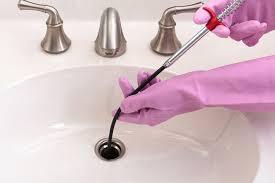
When natural mixtures aren’t enough, a physical method might be necessary. A simple drain snake or plastic “Zip-It” tool can effectively remove hair and gunk buildup without chemicals. Insert the tool into the drain, twist or move it up and down to grab debris, then pull it out and dispose of the collected material. This is especially helpful for bathroom sinks and showers, where hair is often the main cause of slow drainage.
5. Clean the Drain Stopper
Sometimes the clog isn’t deep in the pipe—it’s right at the top. Remove your drain stopper and clean off any visible buildup. Hair and soap residue can easily accumulate around this area. Regularly cleaning the stopper can prevent future clogs.
6. Prevent Future Slow Drains
Once your drain is clear, a few simple habits can help keep it that way:
Use a drain strainer to catch hair and food scraps.
Avoid pouring grease or coffee grounds down the sink.
Run hot water after washing dishes to help prevent buildup.
Use the baking soda and vinegar method monthly for maintenance.
Clearing a slow drain doesn’t have to mean resorting to harsh chemicals. With a little patience and the right natural methods — from boiling water to baking soda and vinegar — you can restore your drains safely and effectively. Regular maintenance and mindful use will keep your plumbing in great shape for years to come.
Clean, clear drains — no chemicals required!


Comments