
How to inspect your roof for damage
- Jeff Hendricks

- Sep 12, 2025
- 2 min read
Updated: Sep 26, 2025
Your roof does far more than simply sit on top of your house—it’s the first line of defense against rain, wind, heat, and everything nature throws your way. Protecting your family, your belongings, and the structure itself, this vital shield takes a beating over time. Left unchecked, small issues can snowball into expensive repairs. That’s why regular roof inspections aren’t just a chore—they’re an investment in your home’s future. With a careful eye, you can spot trouble early, schedule repairs, and stretch the lifespan of your roof.
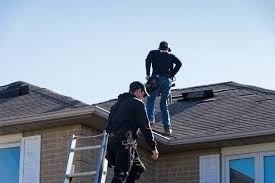
Safety Comes First
Before you think about climbing a ladder, pause. Is your roof steep? Slick? Higher than you feel comfortable with? If so, don’t risk it. A pair of binoculars from the ground can tell you plenty. If you do need to go up, make safety your priority: secure ladder, slip-resistant shoes, and always have someone nearby. And remember—when in doubt, leave it to a professional roofing contractor. They’re trained, equipped, and far better suited for hazardous inspections.
Signs to Look for Outside
The roof’s exterior tells the clearest story. Take a slow, deliberate scan and watch for these red flags:
Missing or Damaged Shingles: Cracks, curls, or bald patches expose your home to leaks. Check your gutters too—granules from asphalt shingles often collect there.
Sagging Roofline: A dip or uneven section could signal trapped moisture or structural strain.
Flashing Failures: Around chimneys, vents, and skylights, broken or loose flashing is an open door for leaks.
Moss & Algae: Green growth may look harmless, but it locks in moisture and accelerates decay.
Gutters & Downspouts: Clogs or excess shingle granules are a warning sign of material breakdown.
Don’t Forget the Inside
Some of the most telling evidence hides indoors, especially in your attic:

Water Stains: Brown blotches on ceilings or walls mean water is sneaking in.
Damp Wood or Insulation: Any moisture up top should raise an immediate alarm.
Daylight Gaps: If sunlight slips through, water—and pests—can too.
After the Storm
Wind, hail, and heavy rain wreak havoc more often than you realize. After severe weather, always give your roof a quick once-over. Look for dented metal vents, missing shingles, or loosened flashing. Even what seems like “minor” hail damage can shorten a roof’s life, so don’t delay scheduling roof maintenance if something looks off.
A Seasonal Habit
Make inspections a routine, not a reaction. Twice a year—spring and fall—are perfect checkpoints. This way you’ll catch winter’s damage before summer’s heat sets in, and vice versa.
When to Bring in the Pros
There’s DIY, and then there’s knowing when to call it quits. If you spot sagging, major shingle loss, or persistent leaks, it’s time for a professional roofing contractor. They can run a full assessment, recommend repairs, or advise if replacement is the smarter path.
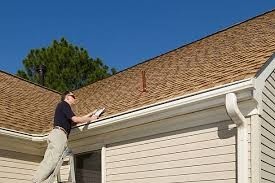
Your roof doesn’t just cover your home—it safeguards everything beneath it. Staying proactive with inspections helps you catch the little problems before they drain your wallet. Whether you do a quick check yourself or lean on the experts, one thing’s certain: a well-maintained roof today means a safe, dry, and protected home tomorrow.
Thanks Jeff Hendricks


Comments