
Checking Attic and Basement for Leaks or Mold: A Complete Homeowner’s Guide
- Jeff Hendricks

- Sep 5, 2025
- 3 min read
When it comes to protecting your home from water damage, the attic and basement are two areas you can’t afford to ignore. These hidden spaces are prime targets for roof leaks, basement moisture problems, and mold growth. If left untreated, such issues can erode your home’s structure, spike energy bills, and even affect your family’s health.
This guide walks you through how to check an attic for water leaks, the most common signs of mold in basement walls, and expert home leak detection tips every homeowner should know.
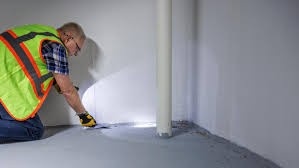
Why Attics and Basements Attract Moisture
The attic acts as the buffer zone between your living space and the roof. Damaged shingles, deteriorating flashing, or ice dams in cold regions often lead to attic water leaks. Once inside, moisture can soak insulation, weaken roof decking, and create ideal conditions for attic mold growth.
Meanwhile, basements sit underground, where foundation cracks, poor drainage, and high humidity make moisture intrusion almost inevitable. Without proper ventilation, the dampness lingers, fueling basement mold problems.
How to Check Your Attic for Water Leaks
A simple attic inspection for roof leaks can save you thousands in repairs. Look for these warning signs:
Inspect During Rainstorms – The best time to check is while water is actively testing your roof. Use a flashlight to spot damp insulation or new stains.
Examine Roof Decking – Roof sheathing should be dry and firm. Watch for sagging or discolored wood, both signs of hidden water damage.
Check Around Penetrations – Chimneys, skylights, and vent pipes are common leak points. Look for moisture trails or rust around fasteners.
Inspect Insulation – Damp insulation loses efficiency and accelerates attic mold growth. Test for clumping or damp spots.
Look for Daylight – Gaps that let in sunlight will also let in rainwater. Seal them quickly.
Signs of Mold in Basement Walls
Detecting basement mold early can protect your indoor air quality and health. Pay attention to these red flags:

Wall Damage: Peeling paint, bubbling wallpaper, or cracked finishes indicate moisture behind the surface.
High Humidity: Sweaty pipes, foggy windows, or condensation on walls point to excessive moisture.
Visible Growth: Black, green, or brown patches across concrete, drywall, or framing.
Efflorescence: White, chalky deposits on masonry walls mean water is seeping in.
Attic Leak Detection Tips for Homeowners
Not every roof leak is obvious. To improve your home leak detection efforts, consider these strategies:
Moisture Meter Testing – Detects hidden dampness in walls or insulation.
Inspect Ceilings Below the Attic – Stains or bubbling paint on your home’s top floor often trace back to leaks above.
Check After Severe Weather – Heavy rain, snow, or wind can damage roofing materials. Inspect seasonally.
Improve Ventilation – Proper attic airflow prevents condensation that mimics roof leaks.
Hire Professional Inspections – A certified roofer can spot leaks invisible to homeowners.
Preventing Future Moisture Problems
Prevention is always more affordable than repair. Follow these attic and basement moisture prevention tips:
For Attics:
Clean gutters and downspouts regularly.
Replace missing or cracked shingles immediately.
Use vapor barriers if insulation absorbs too much moisture.
For Basements:
Grade soil away from your foundation.
Install a sump pump in flood-prone areas.
Run a dehumidifier to keep humidity between 30–50%.
Seal cracks with professional-grade waterproofing materials.
Your attic and basement aren’t just storage areas—they’re the frontline defense against costly water damage and mold growth. By learning how to check for attic leaks, recognizing the early signs of basement mold, and applying these home leak detection tips, you’ll protect your home’s structure, maintain energy efficiency, and safeguard your family’s health.
Seasonal inspections and a proactive approach to moisture control can save you from expensive repairs and keep your home strong, dry, and safe for years to come.


Comments